Titanium Parts by Industry — Aerospace, Medical, Racing, Chemical
Industry-specific titanium applications: aerospace structural and engine components, medical implants and instruments, motorsports and racing, chemical processing equipment, subsea and offshore, semiconductor chamber hardware.
10 articles in this cluster
Why this matters
Each industry imposes a different priority stack — aerospace weighs strength-to-weight and fatigue life; medical weighs biocompatibility and traceability; racing weighs lead time and mass; chemical processing weighs corrosion resistance and code compliance. The same alloy (often Grade 5) is processed and inspected differently for each. This cluster maps application to grade to process to standard, so engineers can quickly validate that the proposed solution matches the industry expectations.
All 10 articles in this cluster
5-Axis Machined Titanium Medical Implants: FDA Submissions and Material Sourcing
A regulatory and process engineering guide to 5-axis machined titanium medical implants. Covers FDA 510(k) and PMA submission pathways, ASTM F136 and ISO 5832-3 material sourcing, machining process validation, and the supplier qualification framework for implant manufacturers.
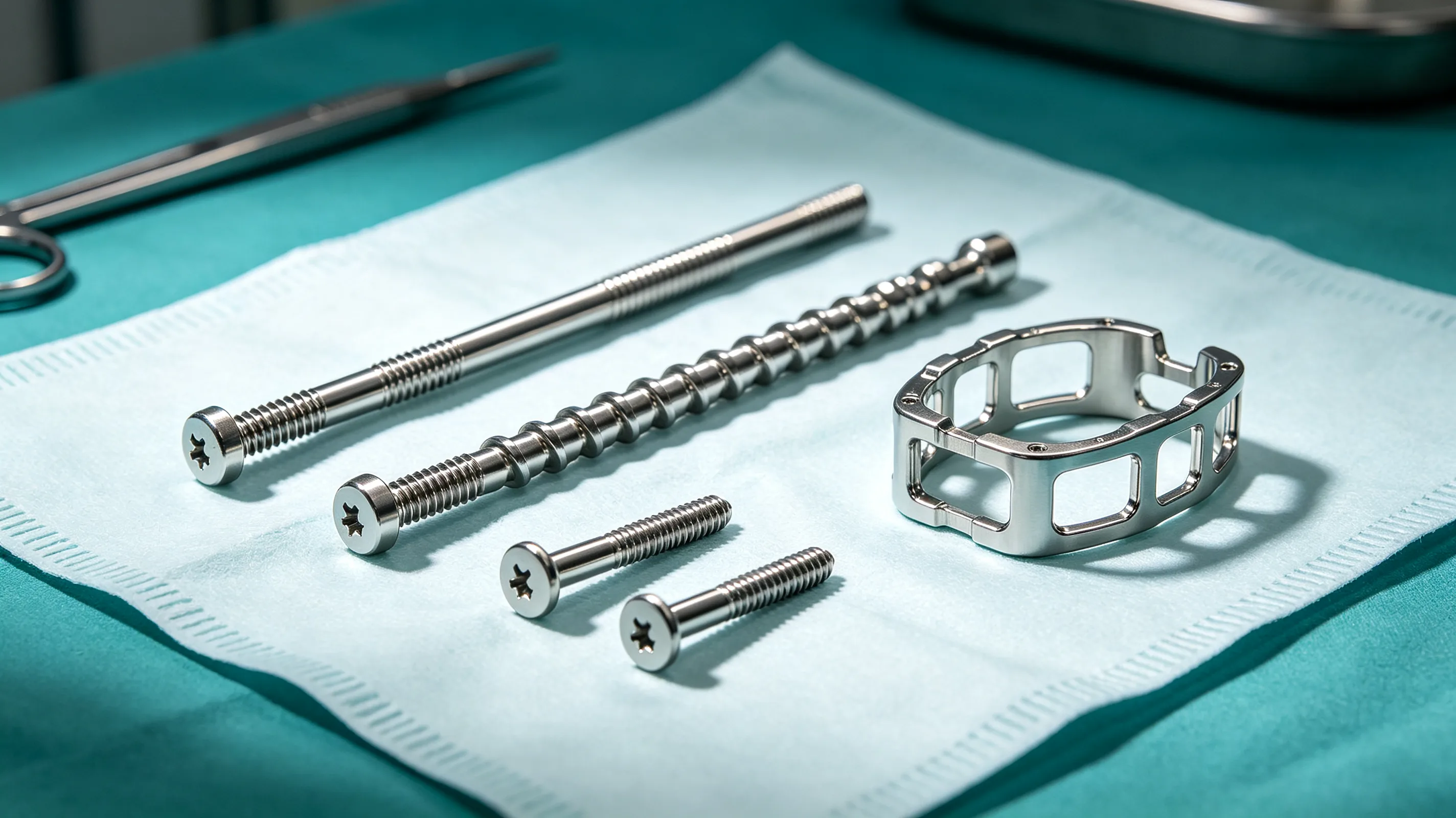
Ti-6Al-4V ELI (Grade 23) in Spinal Surgery: Material Selection Guide for Implant Manufacturers
A technical guide to Grade 23 Ti-6Al-4V ELI for spinal implant applications — biomechanical rationale for ELI in spinal constructs, material requirements for pedicle screws, spinal rods, and interbody cages, applicable standards (ASTM F136, ISO 5832-3), surface treatment options for osseointegration, machining and quality requirements specific to spinal implant manufacturing, and procurement guidelines for spinal device companies.
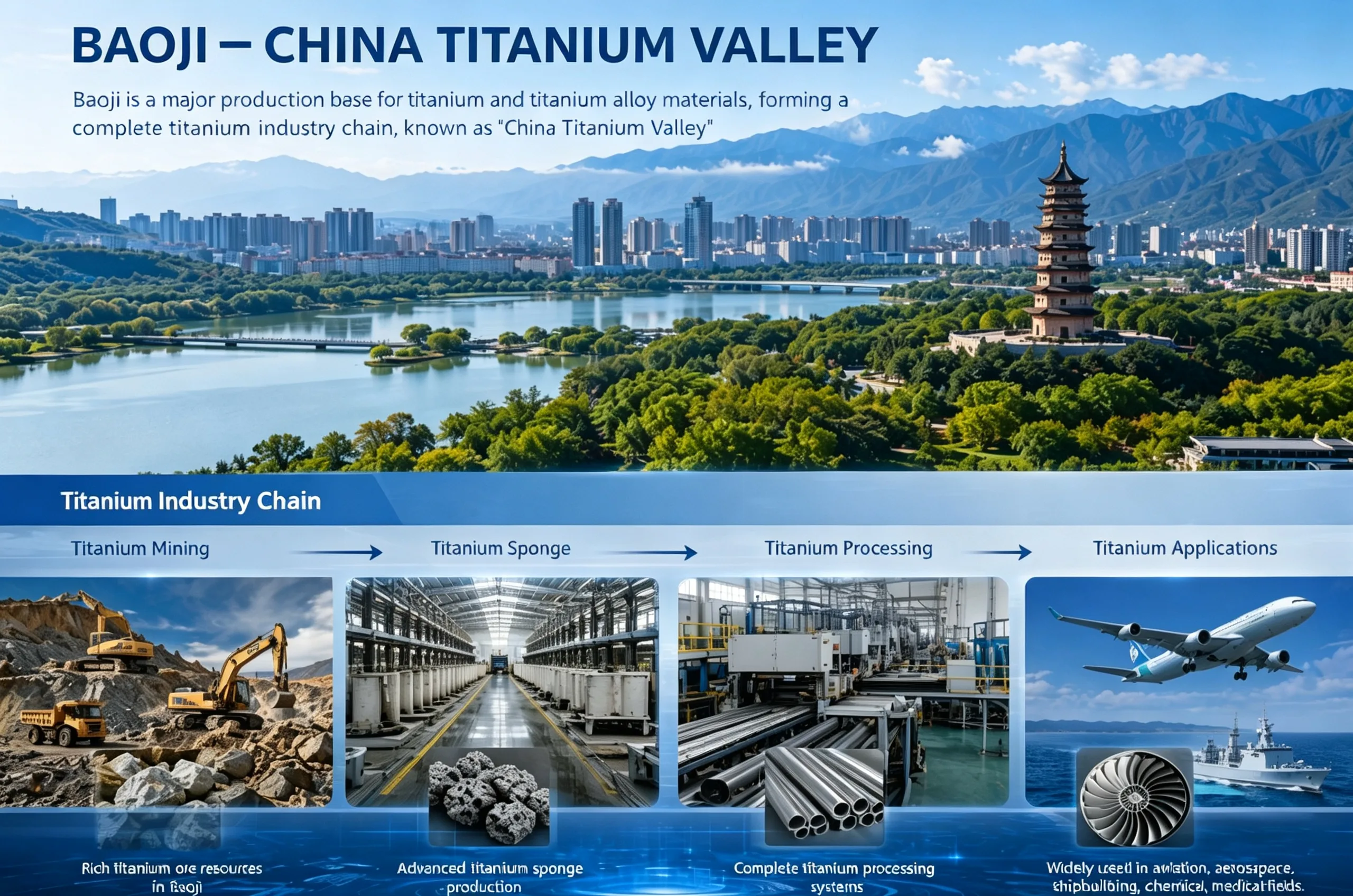
Why Is Baoji Known Globally as "China Titanium Valley"?
Why Baoji is called China Titanium Valley — the industrial history behind the label, what the production scale really means for buyers, and the qualification checks every procurement team should run before sourcing titanium from the cluster.
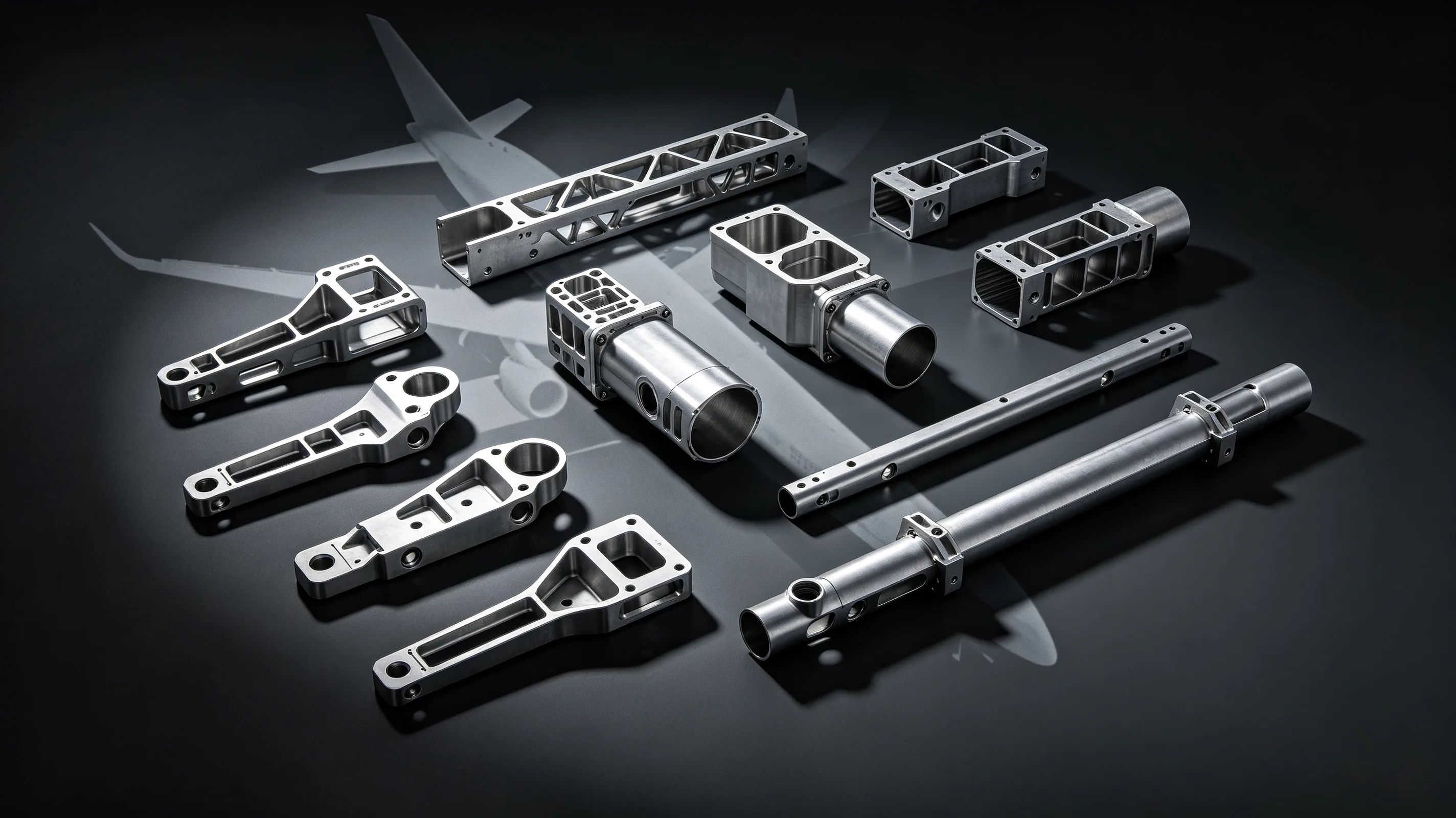
Aerospace Titanium Components — Manufacturing Challenges and Engineering Solutions
An engineering analysis of manufacturing challenges specific to aerospace titanium components — thin-wall structural parts, tight tolerance requirements, material traceability and certification compliance, and process control strategies for AS9100D production environments.
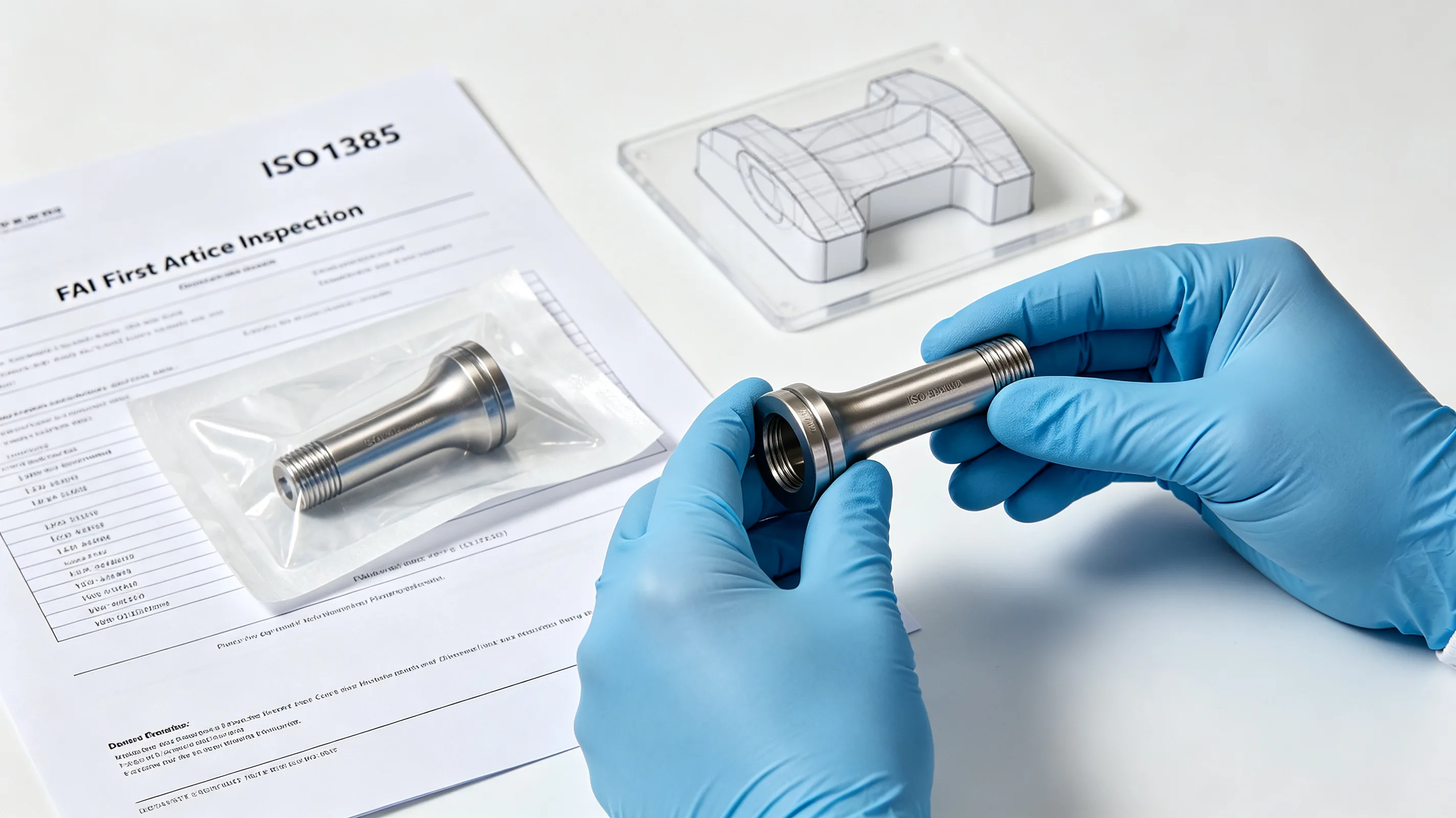
Case Study — Precision Titanium Medical Implant Component Production
A case study of producing a precision titanium medical implant component — material specification and certification requirements, machining process validation for ISO 13485 compliance, surface finish and cleanliness verification, and first article inspection results.
Medical Titanium Implants — Manufacturing Standards and Precision Requirements
An engineering analysis of manufacturing requirements for medical titanium implants — material specifications for Grade 23 ELI, surface finish and cleanliness requirements, tolerances for implant mating features, and the process control and validation requirements for ISO 13485 production environments.
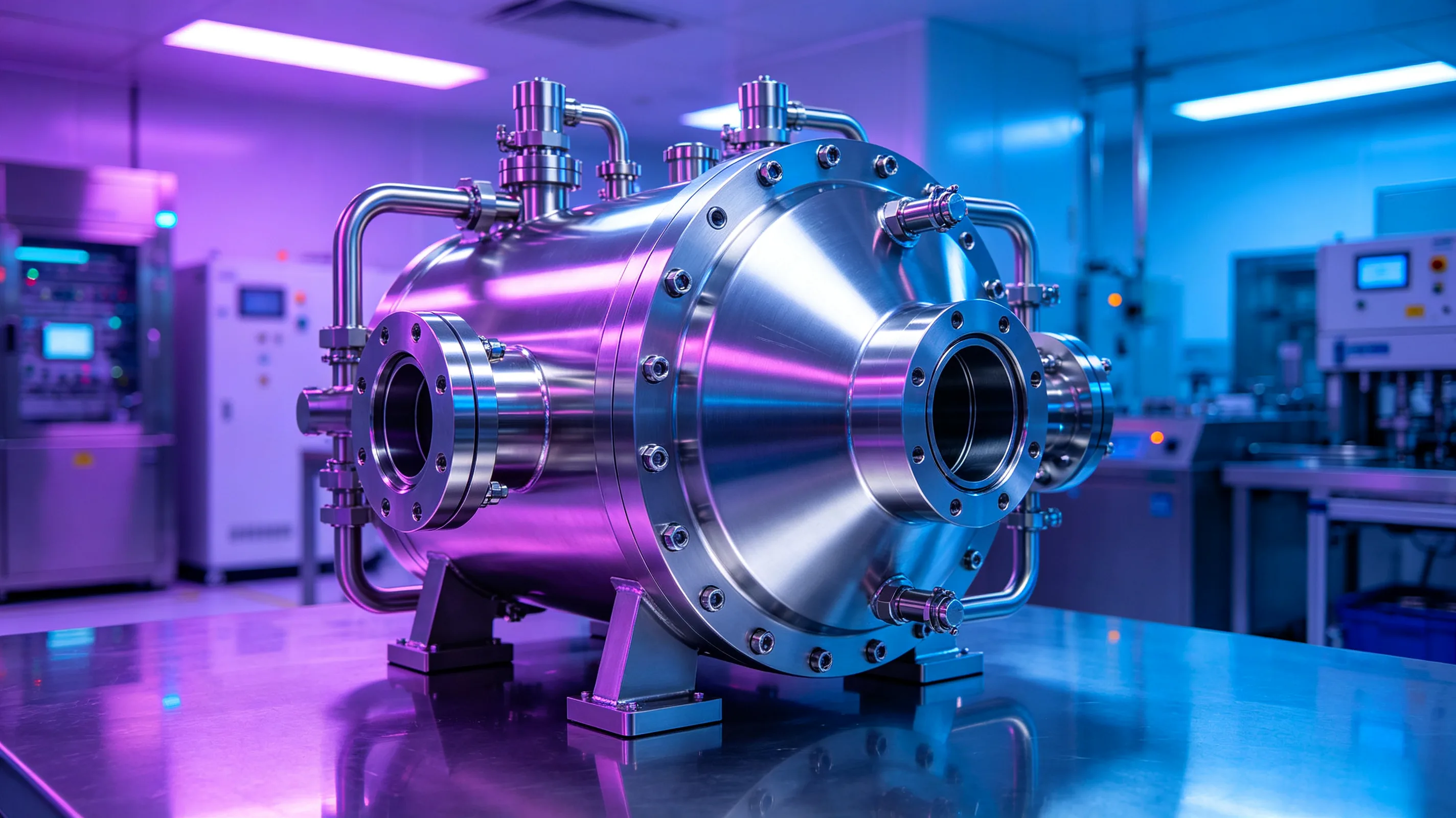
Semiconductor Titanium Components — Precision Requirements for Critical Applications
An engineering analysis of titanium components in semiconductor manufacturing equipment — material purity requirements, precision machining tolerances for vacuum chamber hardware, surface finish specifications for plasma-facing components, and cleanroom manufacturing considerations.
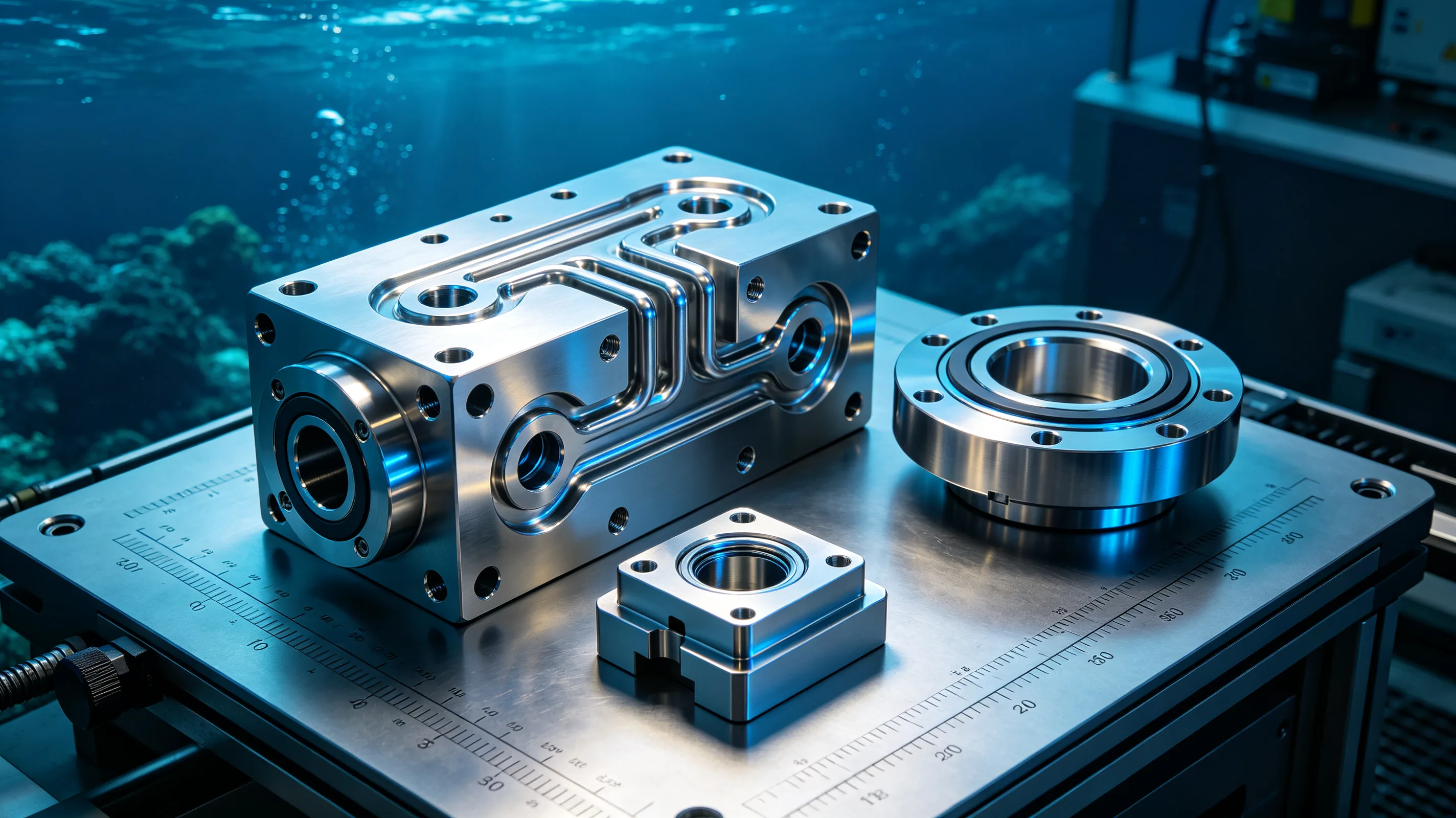
Subsea Component Machining: Precision Requirements for Critical Parts
A detailed technical examination of precision requirements in subsea component machining, covering sealing surfaces, threaded connections, pressure-retaining features, and the metrology methods used to verify them.
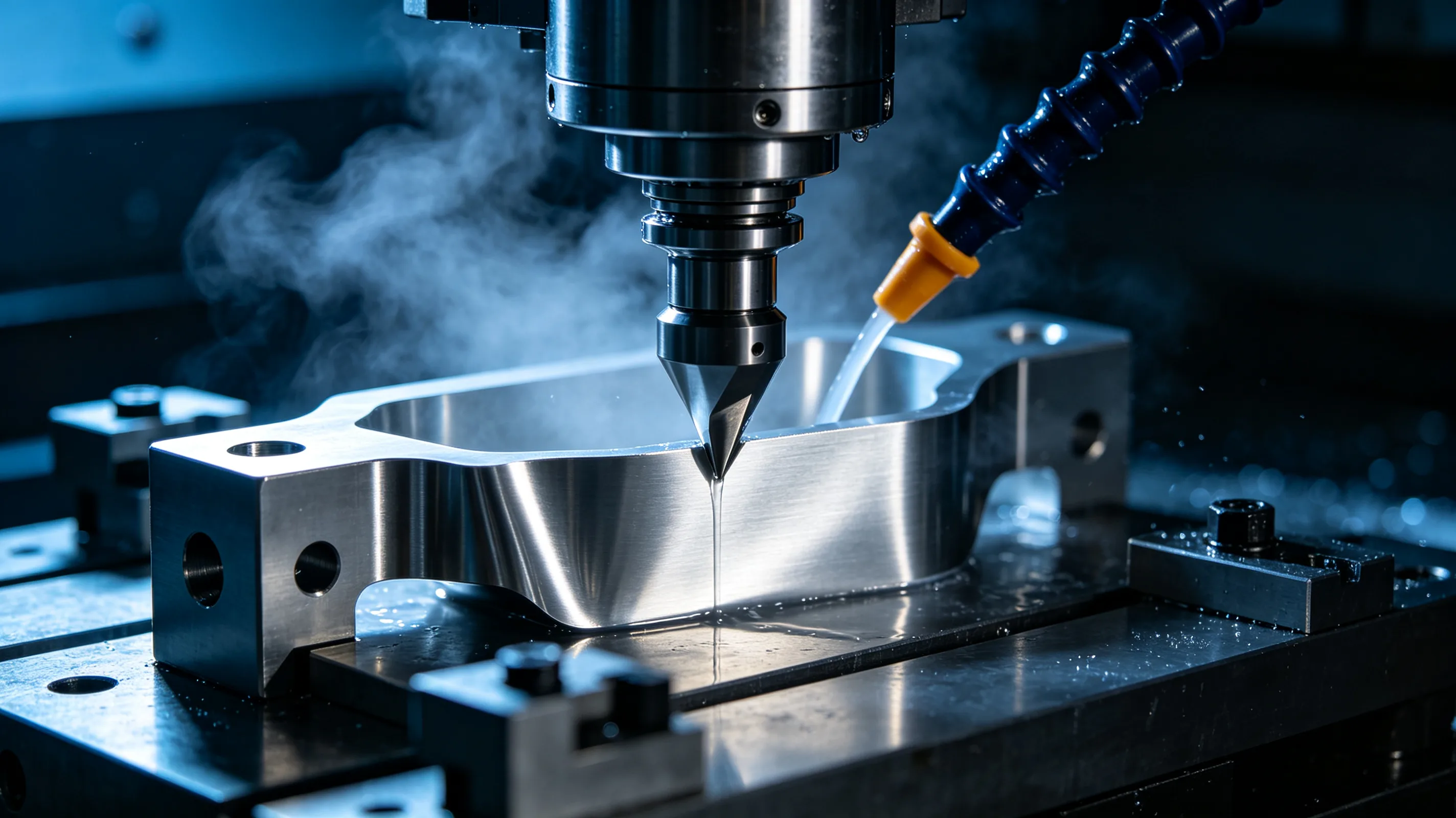
CNC Machining for Subsea Equipment: Materials, Tolerances and Corrosion Considerations
A technical guide to CNC machining for subsea equipment, covering material selection strategies, tolerance capabilities for sealing and pressure-retaining features, and corrosion management through surface integrity control.
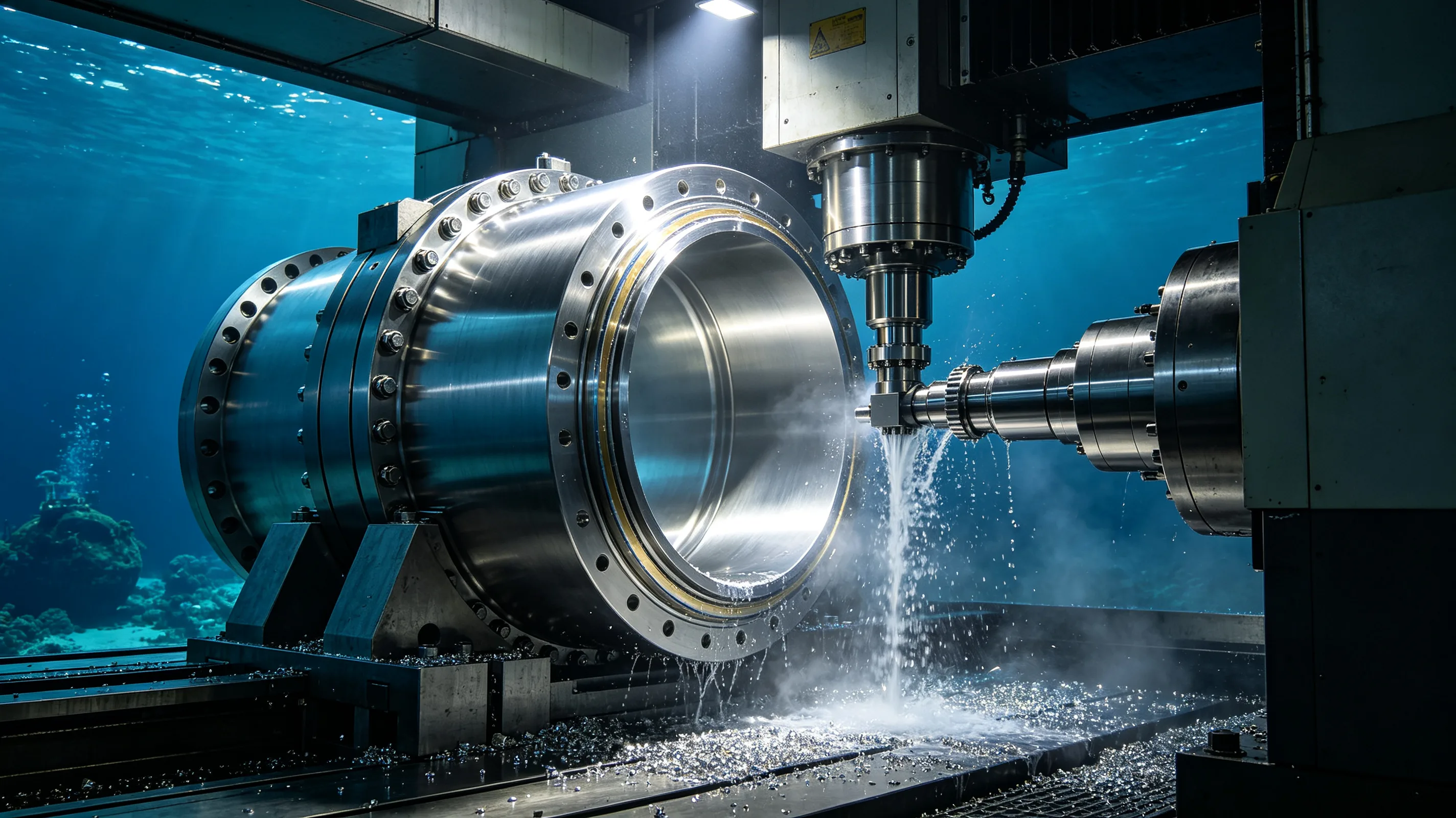
Precision Machining for Subsea Equipment: Requirements and Manufacturing Challenges
Explore the precision machining requirements for subsea equipment, including material selection, tolerance standards, corrosion protection, and the manufacturing challenges unique to deepwater components.
Need help with applications & industries?
Send your drawing and specifications — our engineers will recommend the right approach within 24 hours.
Request a QuoteOne Metal. One Focus. Infinite Precision.
Founded in 2011 in Baoji's Titanium Valley, BOZE Metal is dedicated exclusively to titanium — from raw material to precision engineering. AS9100D, ISO 13485 & ISO 9001 certified with 500+ clients across Aerospace, Medical & Motorsport industries, we deliver end-to-end precision titanium CNC machining with full material traceability from source to component.
Boze Titanium Manufacturing Center is operated by Baoji Boze Metal Products Co., Ltd.
Certifications verified by NADCAP and compliant with ASTM International titanium standards (B265, B348, B381, F136, F2924) and ISO 13485 medical-device QMS.