Boze Titanium Manufacturing Center Blog: Expert Insights on Titanium Manufacturing
In-depth engineering guides, case studies, procurement guides, material science, and manufacturing insights from our AS9100D-certified titanium CNC facility.
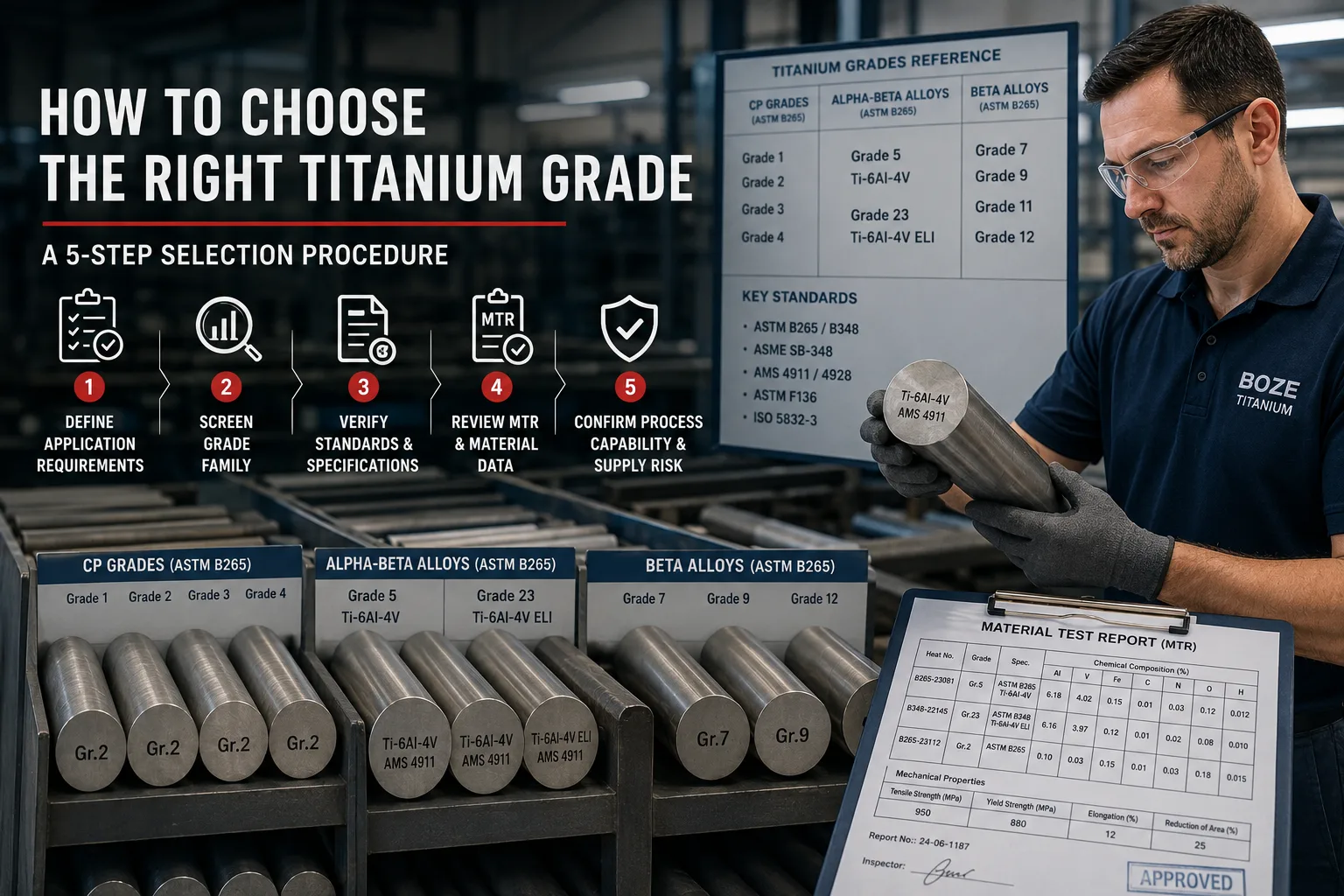
Titanium CNC Machining Services
4 articles

Custom Titanium Machining Contract Manufacturer in China for RFQ Preparation
A practical RFQ guide for sourcing a custom titanium machining contract manufacturer in China, covering supplier evaluation, cost drivers, traceability, and common production risks for aerospace, medical, energy, and industrial buyers.
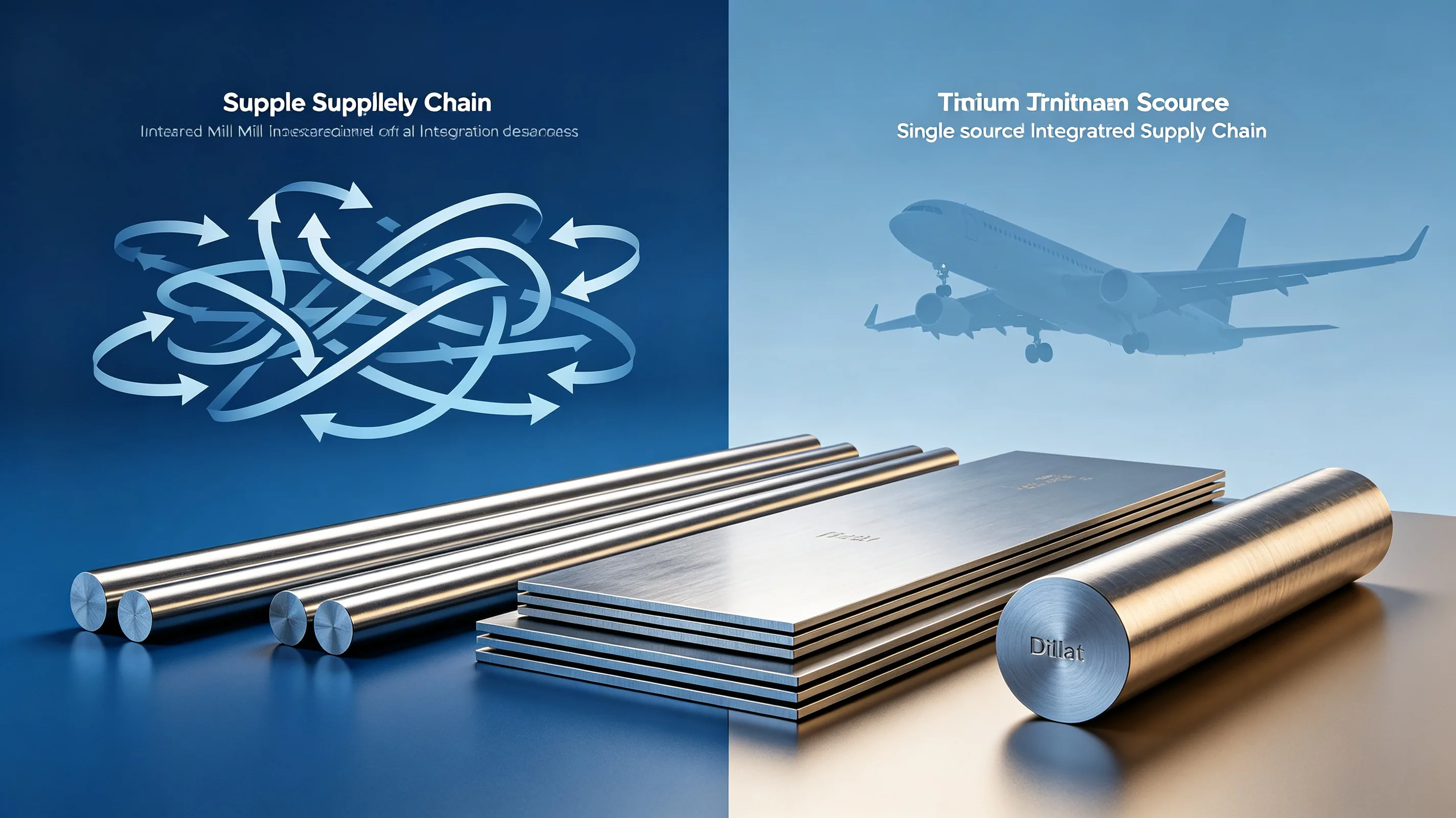
Aerospace Titanium Supply - Reducing Multi-Source Risks & Lead Times
Discover how multi-source aerospace titanium sourcing creates hidden coordination costs. Learn how full-process supply reduces lead times and eliminates quality re-approvals for AMS 4928T Ti-6Al-4V components.

Elevating Performance with Precision Titanium CNC Machining Services
In high-performance engineering—from elite off-road motocross racing to advanced automotive design—reducing weight while maximizing strength is the ultimate goal. Custom titanium parts offer the perfect solution, delivering a massive 45% weight savings over steel alongside unmatched corrosion resistance. However, transforming raw titanium into precision components requires specialized expertise and elite manufacturing standards.

Welcome to the Boze Titanium Manufacturing Center Blog
Introducing our new blog where we share insights about precision CNC titanium machining, industry trends, manufacturing best practices, and company updates.
Design Engineering
4 articles
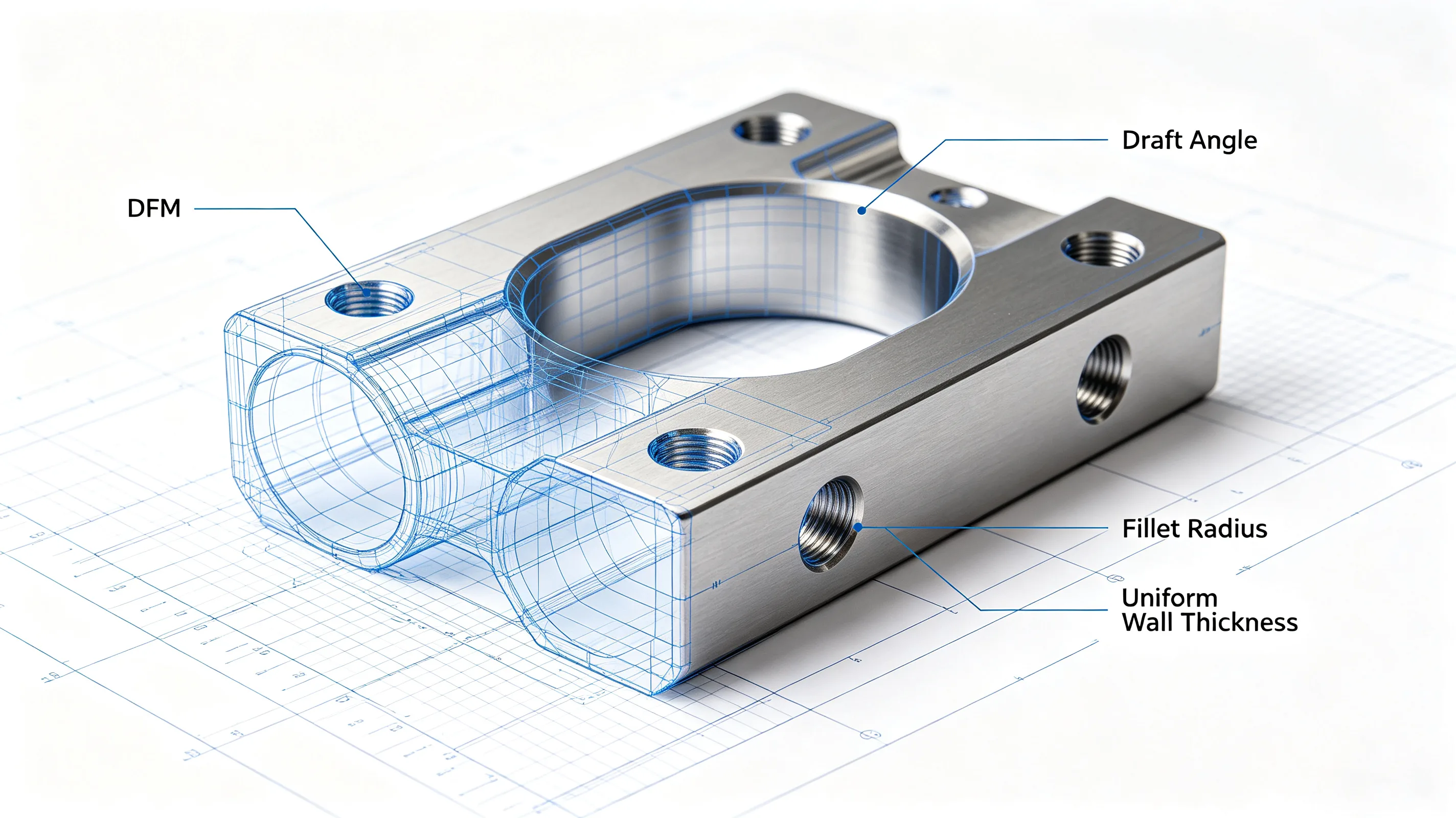
DFM Guide for Titanium Parts — Design for Manufacturability in CNC Machining
An engineering design-for-manufacturability guide for titanium CNC machined components — design rules that reduce machining cost and improve quality, feature geometry guidelines for titanium-specific constraints, and practical examples of design changes that simplify production.
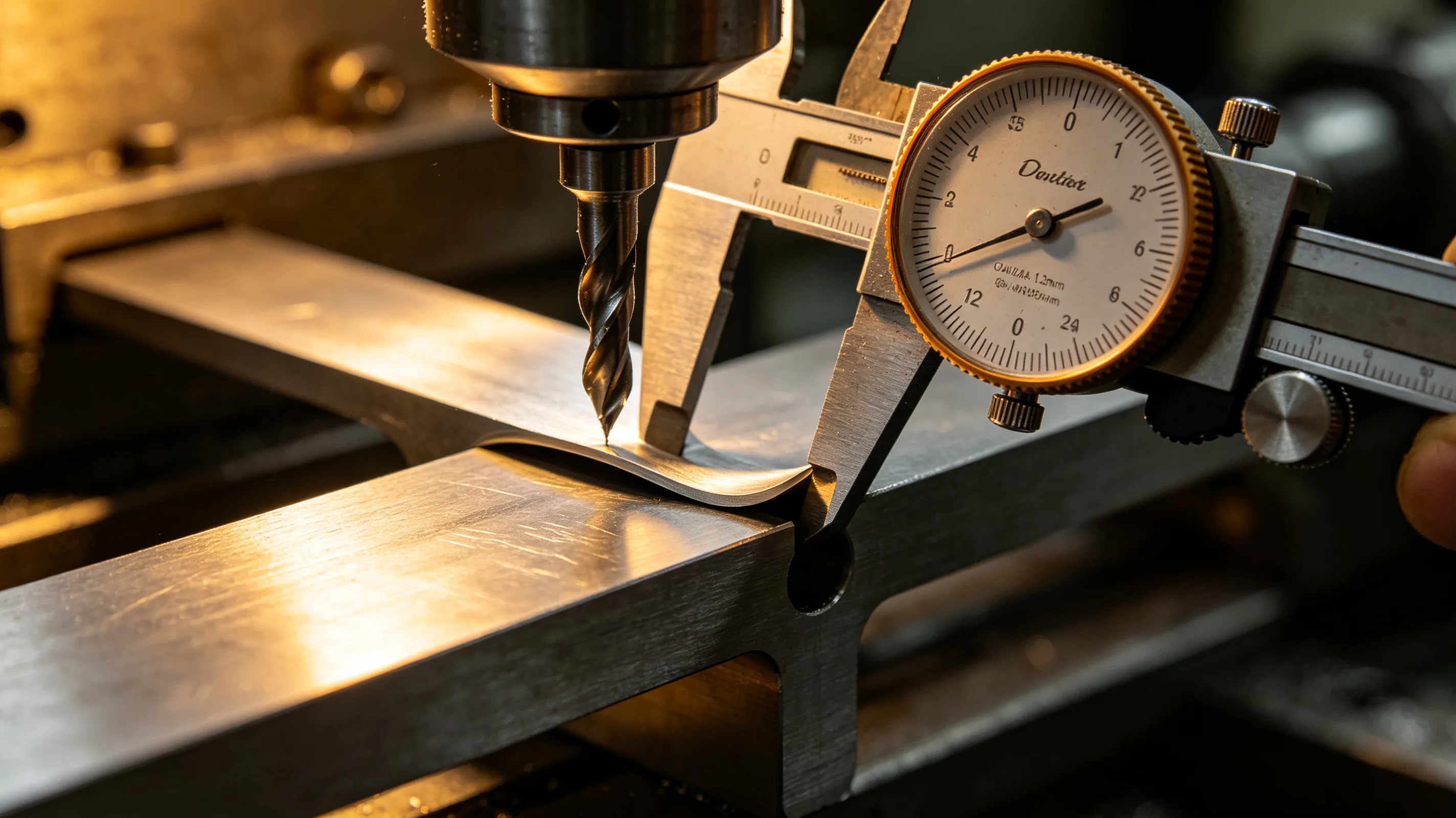
Thin Wall Titanium Machining Guidelines — Process Strategies for Dimensional Stability
Engineering guidelines for thin-wall titanium machining — how wall aspect ratio determines process strategy, toolpath approaches for minimizing deflection, fixturing methods that support thin features, and practical limits for wall thickness relative to height.
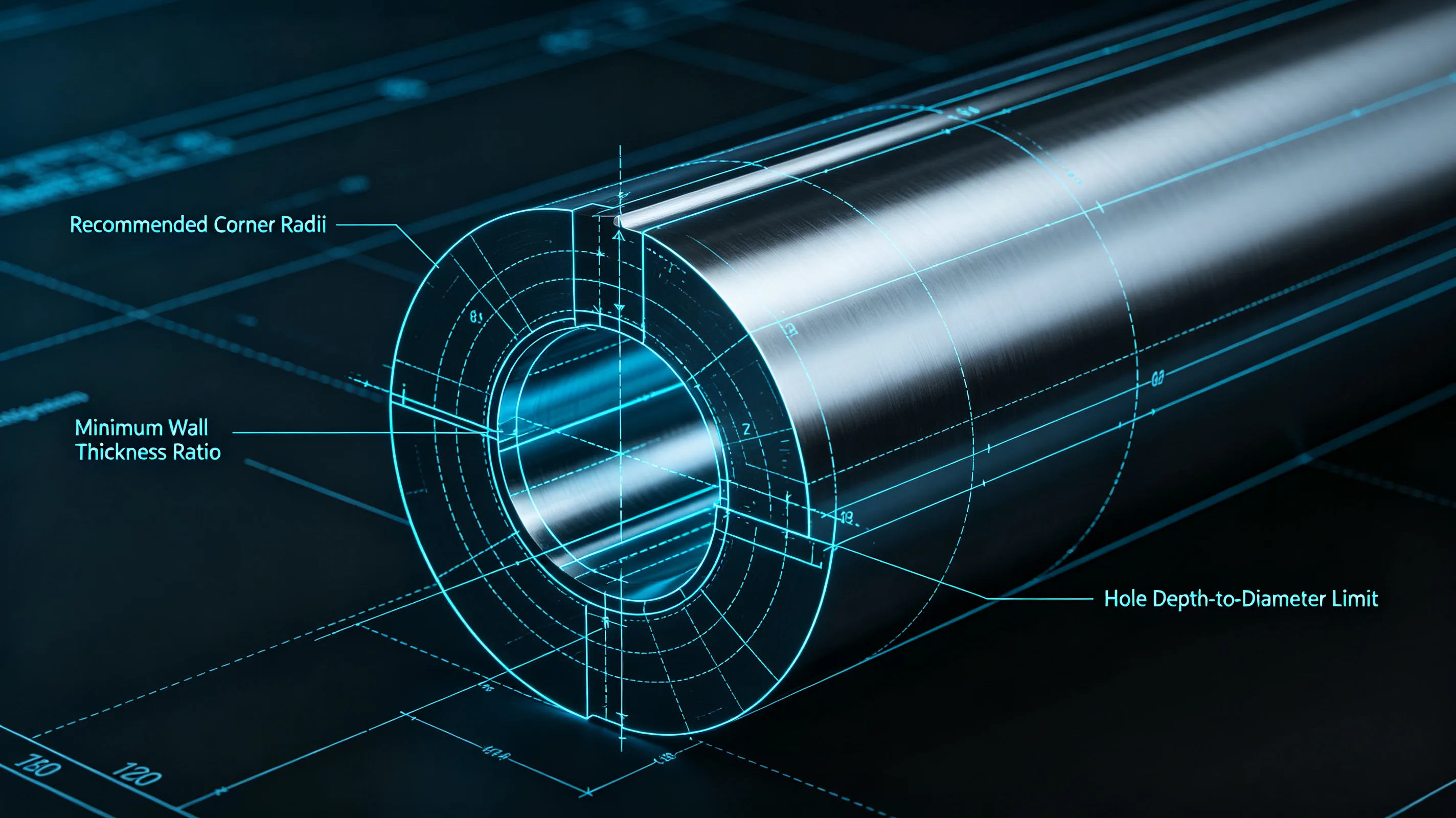
Titanium CNC Design Guide — Engineering Rules for Machinability and Precision
An engineering design guide for titanium CNC machined components — wall thickness guidelines, minimum radii, pocket depth limits, tool accessibility considerations, tolerance capability by feature type, and design-for-manufacturability rules specific to titanium alloys.
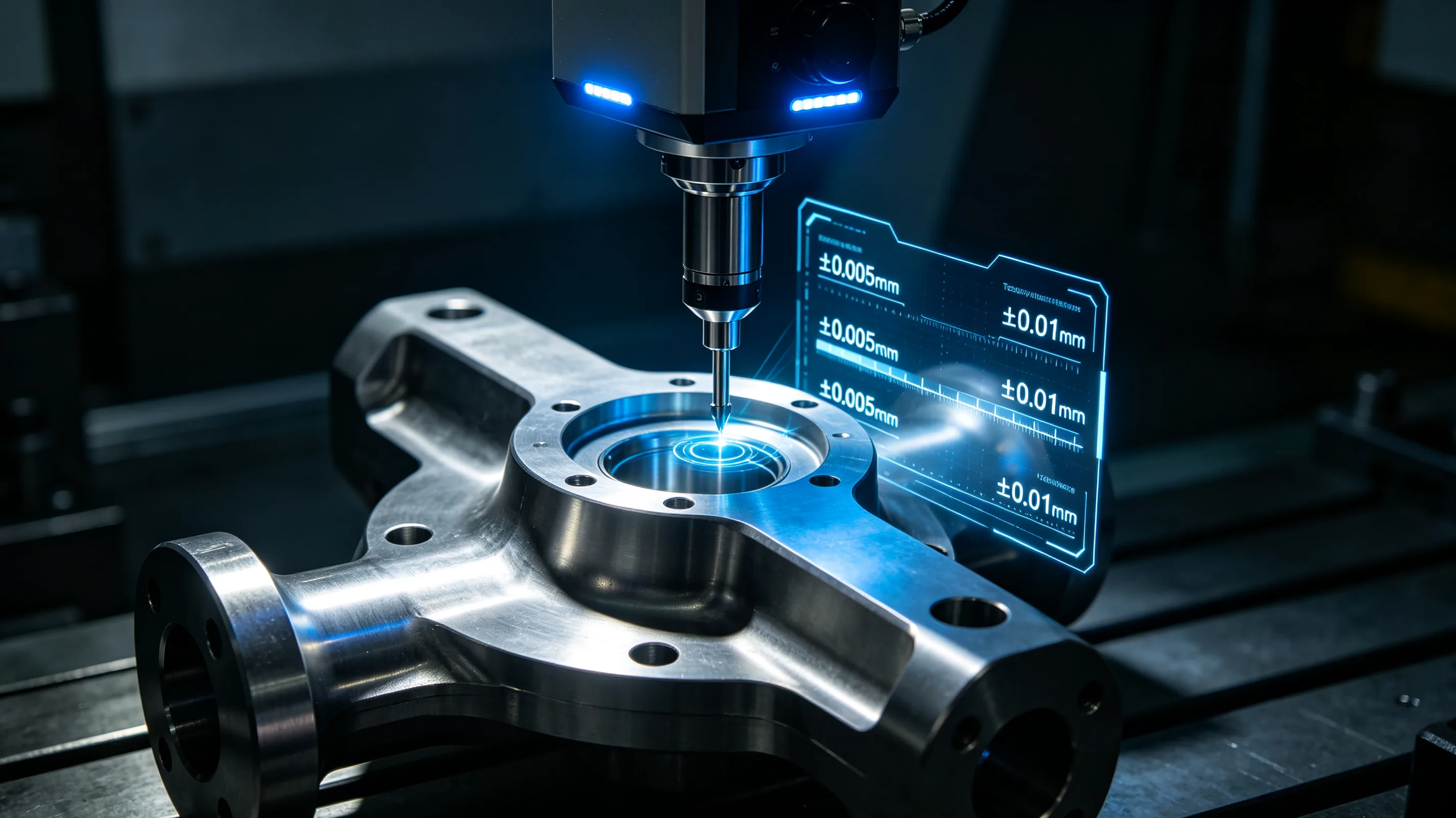
Titanium CNC Tolerance Guide — Engineering Specifications for Precision Components
An engineering guide to dimensional tolerances for titanium CNC machining — achievable tolerance ranges by feature type, the effect of material condition and thermal stability on tolerance capability, and practical guidelines for specifying tolerances on titanium components for aerospace, medical, and industrial applications.
Materials Engineering
13 articles
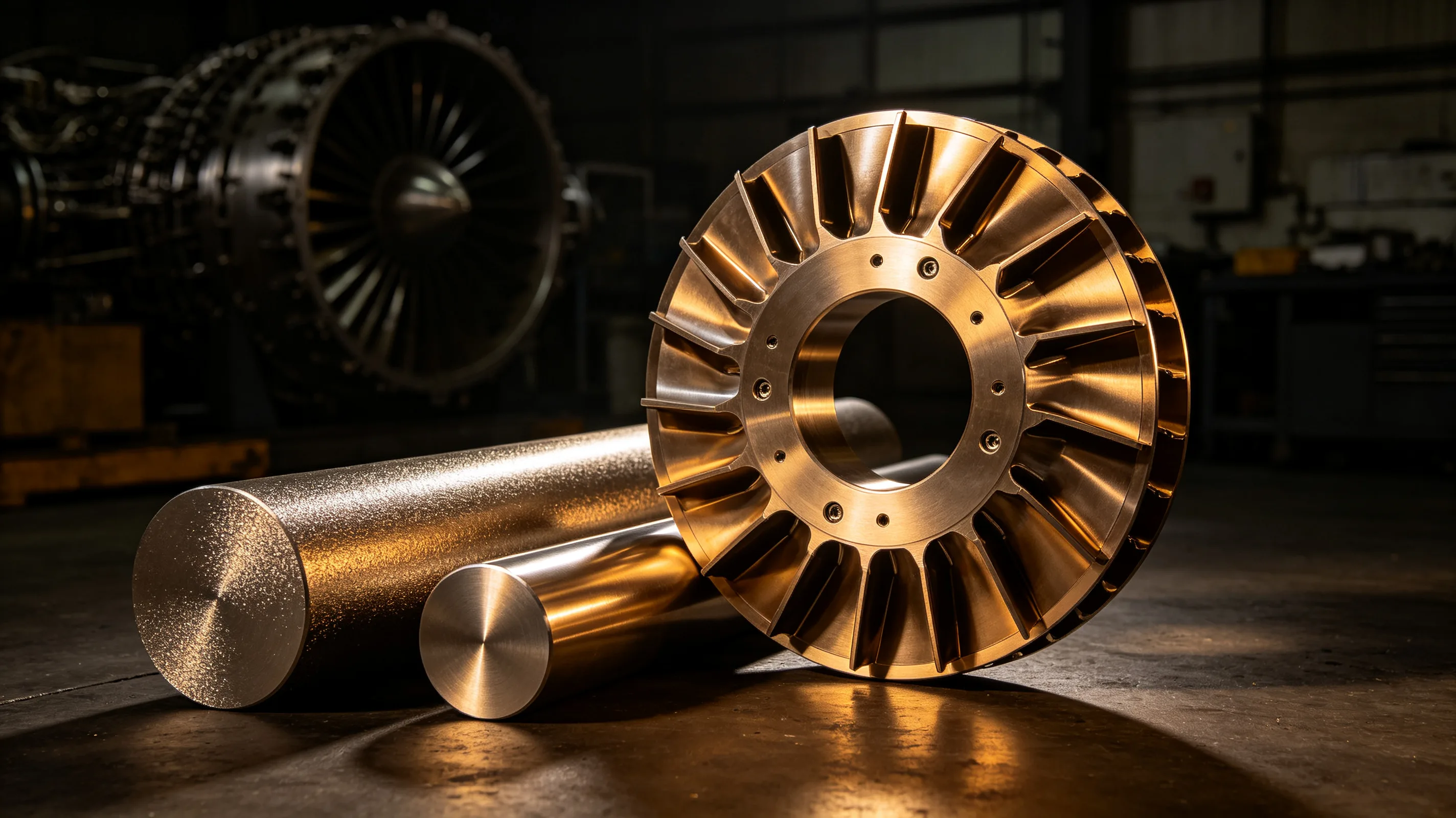
Ti-6242 Titanium Alloy: Properties, Specifications, and Applications for Aerospace
A technical guide to Ti-6242 (Ti-6Al-2Sn-4Zr-2Mo) near-alpha titanium alloy for elevated-temperature aerospace applications — mechanical properties up to 540°C, AMS and ASTM standards, machining constraints, procurement considerations, and supplier qualification criteria for gas turbine engine components.
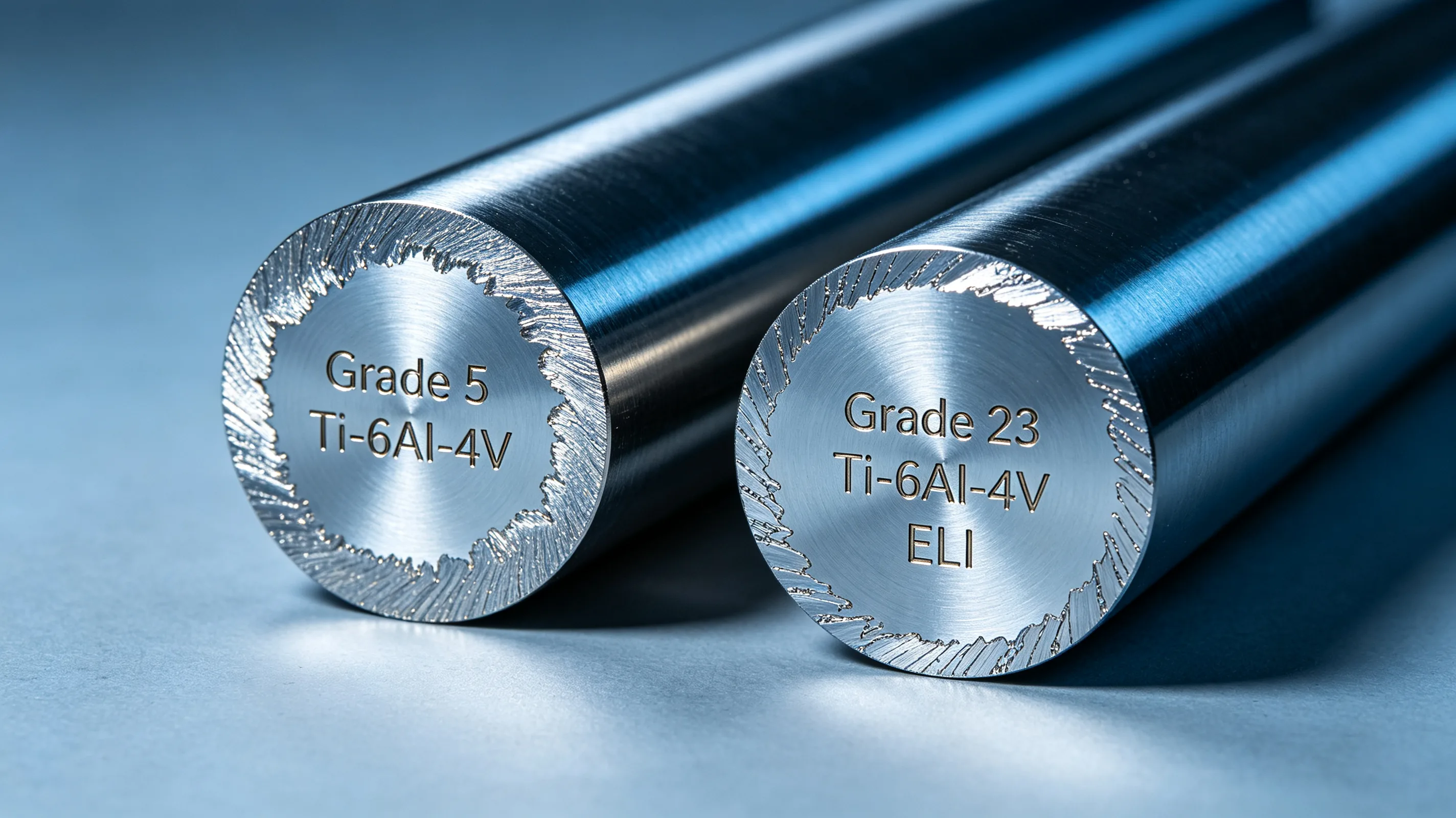
Titanium Grade 23 vs Grade 5: Key Differences, Pros and Cons for Engineers and Procurement
A detailed engineering comparison of Grade 23 (Ti-6Al-4V ELI) and Grade 5 (Ti-6Al-4V) titanium — interstitial chemistry differences, mechanical property trade-offs, fracture toughness and fatigue performance, machinability and cost implications, applicable standards, and selection criteria for medical, aerospace, and cryogenic applications where the choice between ELI and standard-grade Ti-6Al-4V is not obvious.
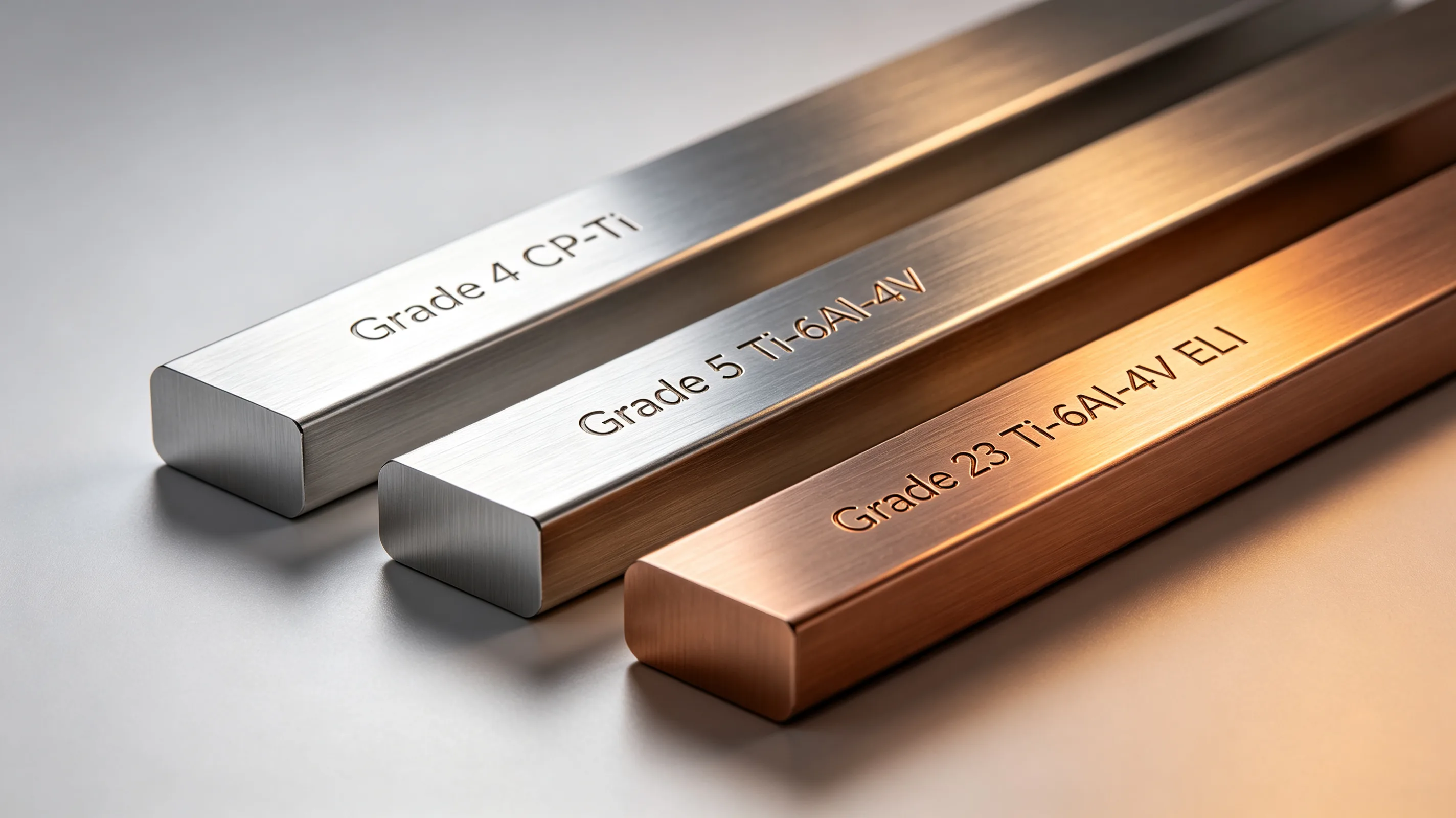
Titanium Grade 4 vs Grade 5 vs Grade 23: Three-Way Engineering Comparison for Medical and Industrial Applications
A three-way engineering comparison of Grade 4 CP-Titanium, Grade 5 (Ti-6Al-4V), and Grade 23 (Ti-6Al-4V ELI) — chemical composition differences, mechanical property trade-offs across the strength-ductility-toughness spectrum, applicable standards for each grade, cost comparisons, machining and processing implications, and application-specific selection criteria for medical implants, aerospace components, chemical processing equipment, and marine hardware.
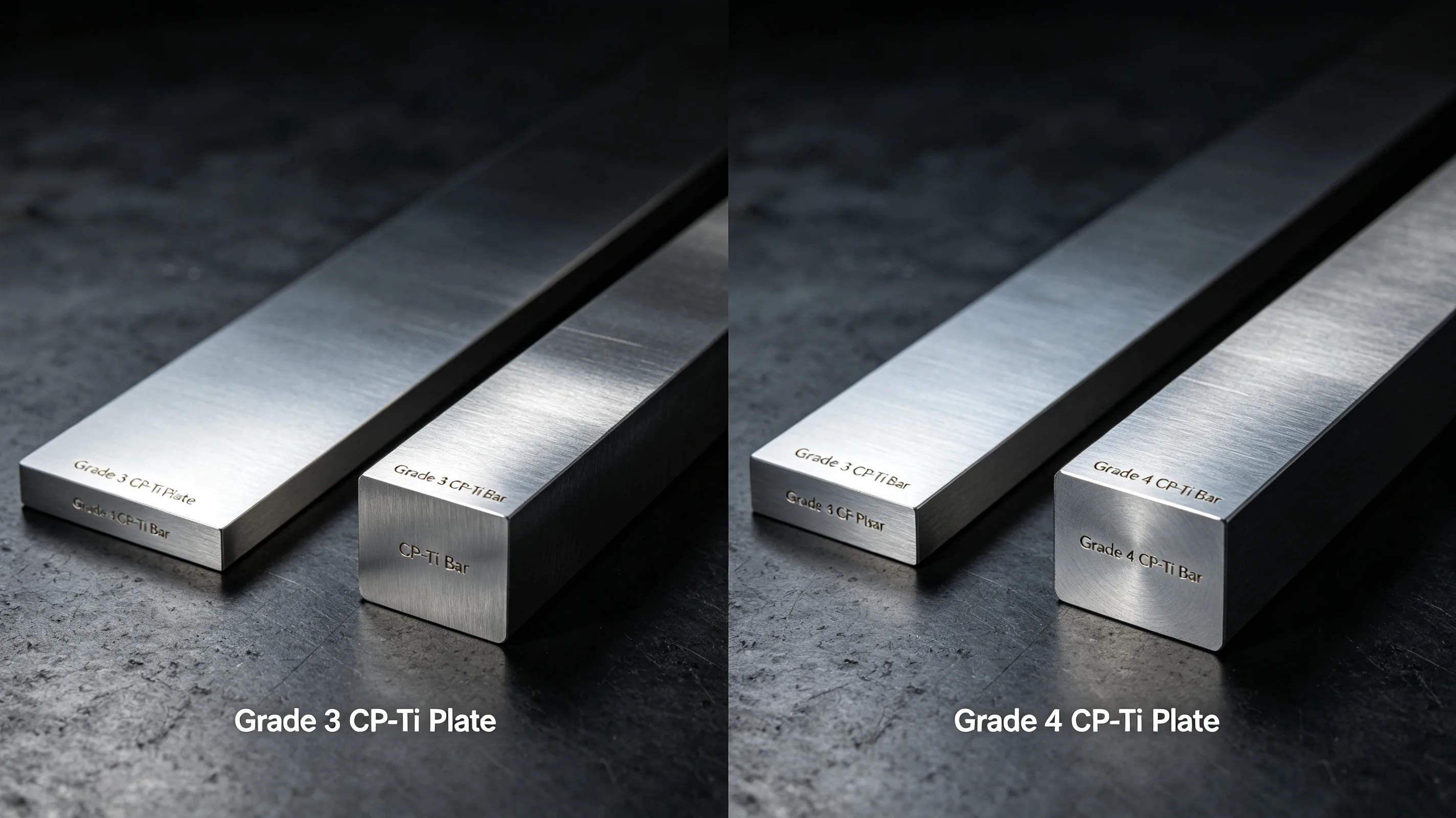
Titanium Grade 3 vs Grade 4: What's the Difference and Which One Should You Specify?
A direct engineering comparison of Grade 3 and Grade 4 commercially pure titanium — tensile strength, ductility, formability, machinability, corrosion resistance, applicable standards, material cost, and procurement lead time differences. Selection criteria for chemical processing, marine, and industrial applications where the choice between these two CP grades is not obvious.
Manufacturing Problems
15 articles
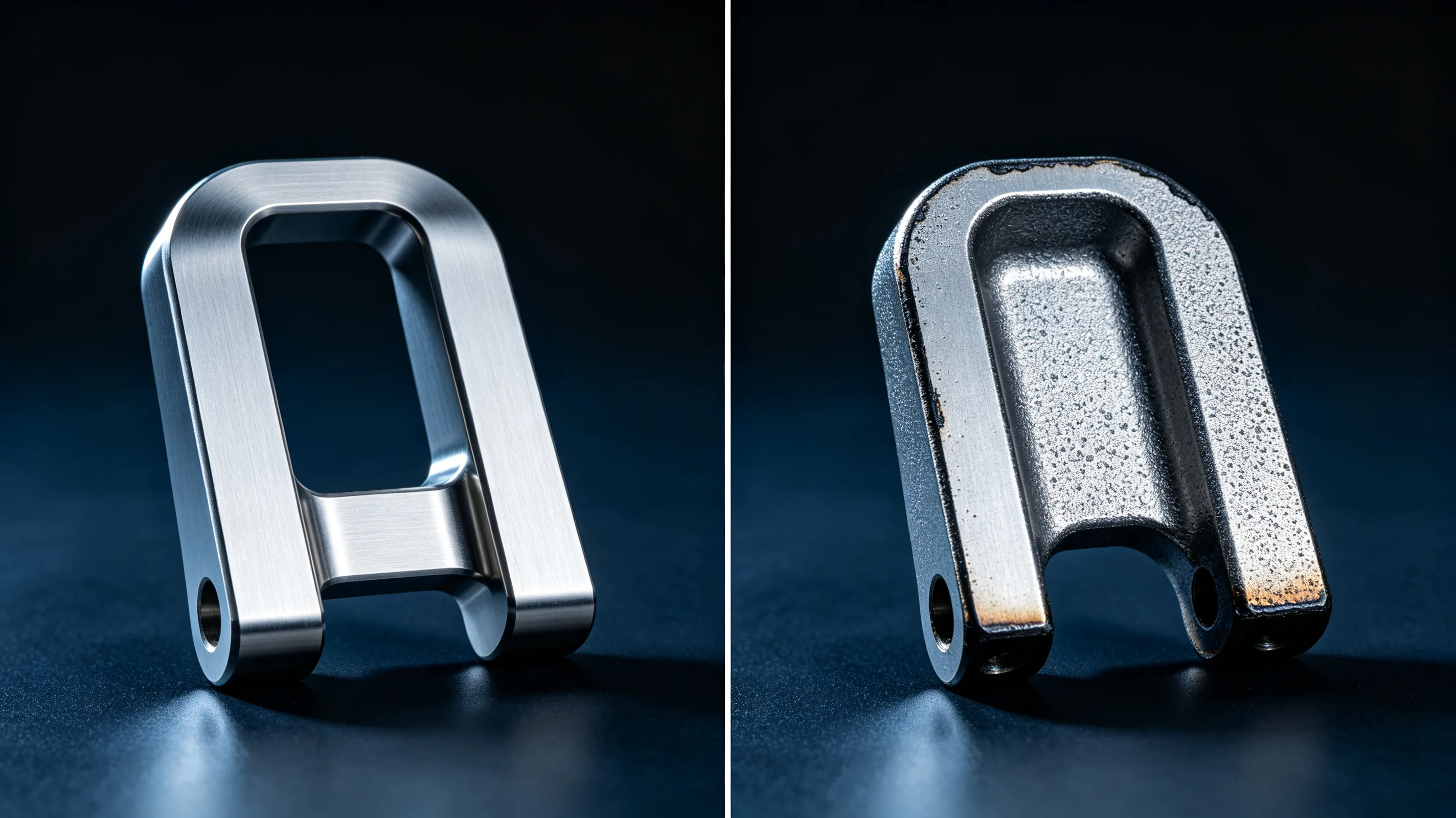
How to Machine Thin-Wall Titanium Parts Without Distortion
Engineering strategies for machining thin-wall titanium parts without distortion — process sequencing, toolpath control, fixture design, and in-process compensation for stable dimensions.
Is Titanium Difficult to Machine? A Practical Guide to Titanium Machinability
A practical guide to titanium machinability — how titanium compares to aluminum, steel, and stainless steel, what makes it harder to cut, and when the difficulty justifies the performance benefits in aerospace, medical, and industrial applications.
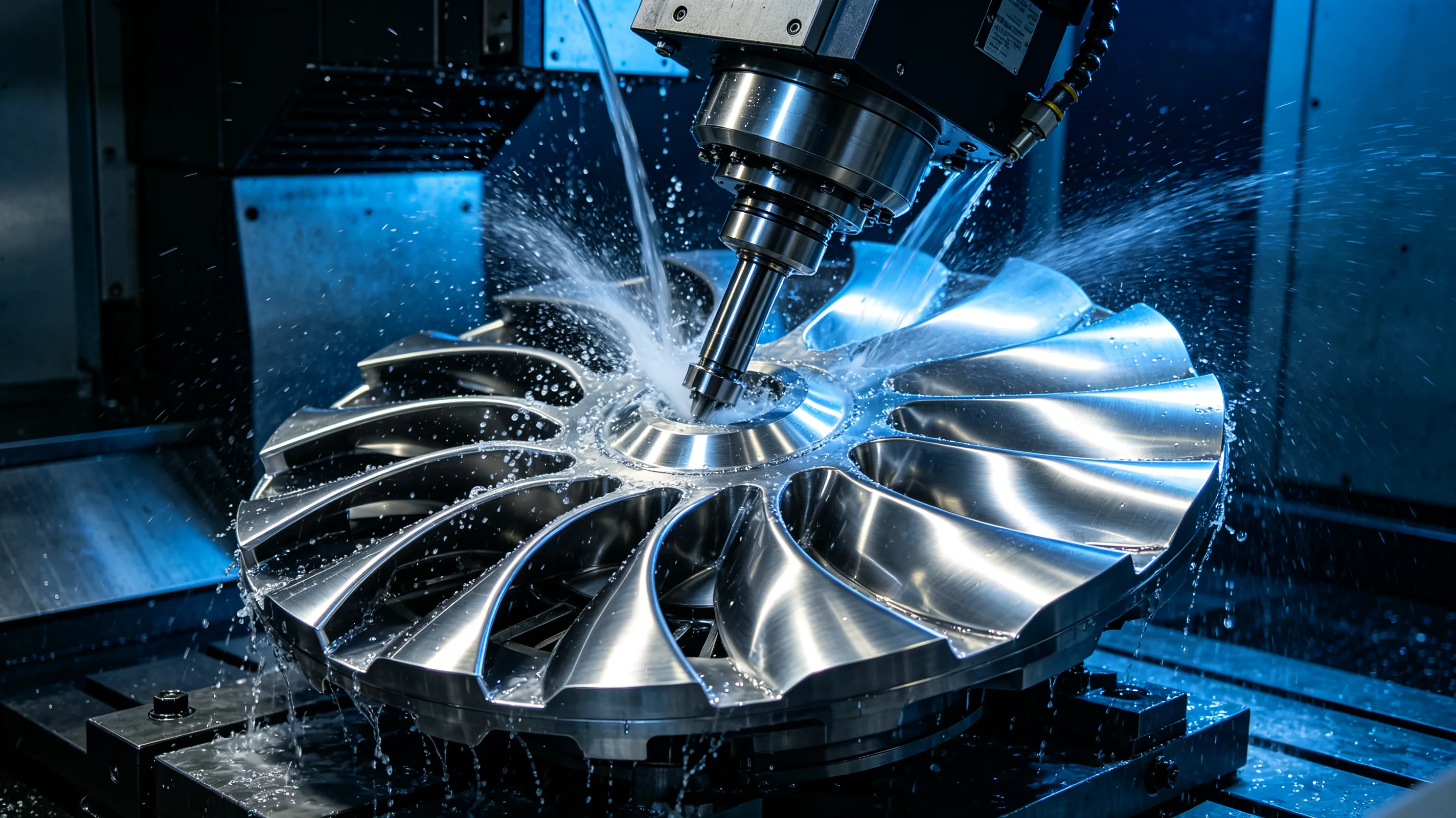
5-Axis Machining for Titanium Parts: When Is It Necessary?
A decision guide for 5-axis titanium machining — when complex geometry, tight tolerances, and setup reduction justify 5-axis over 3-axis, and how to evaluate cost and capability.
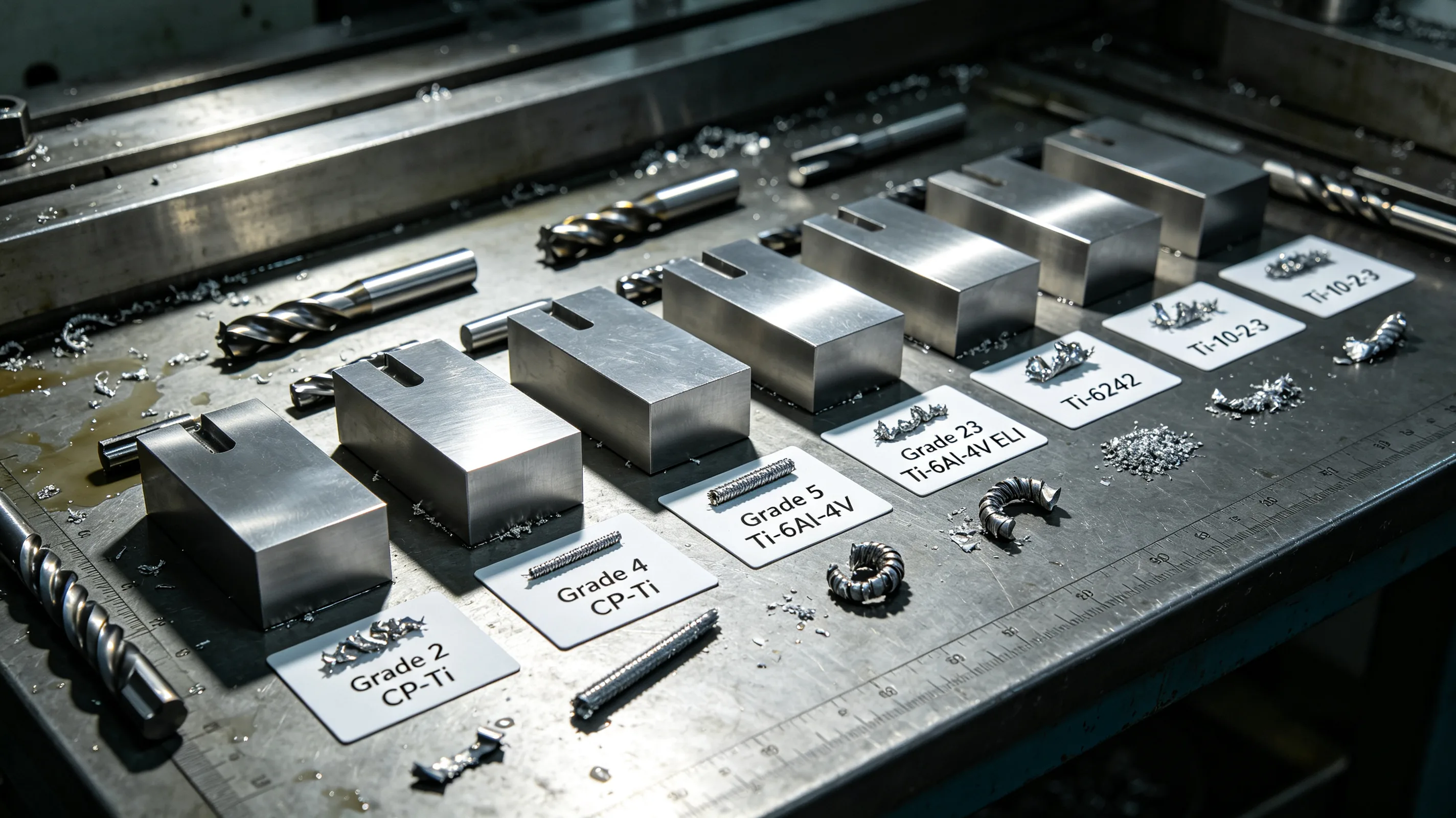
Titanium Machinability Rating: How Different Titanium Grades Compare
A comparative guide to titanium machinability ratings across commercially pure grades, alpha-beta alloys, and beta alloys. Understand how grade selection affects cutting speed, tool life, and process cost.
Quality and Standards
12 articles
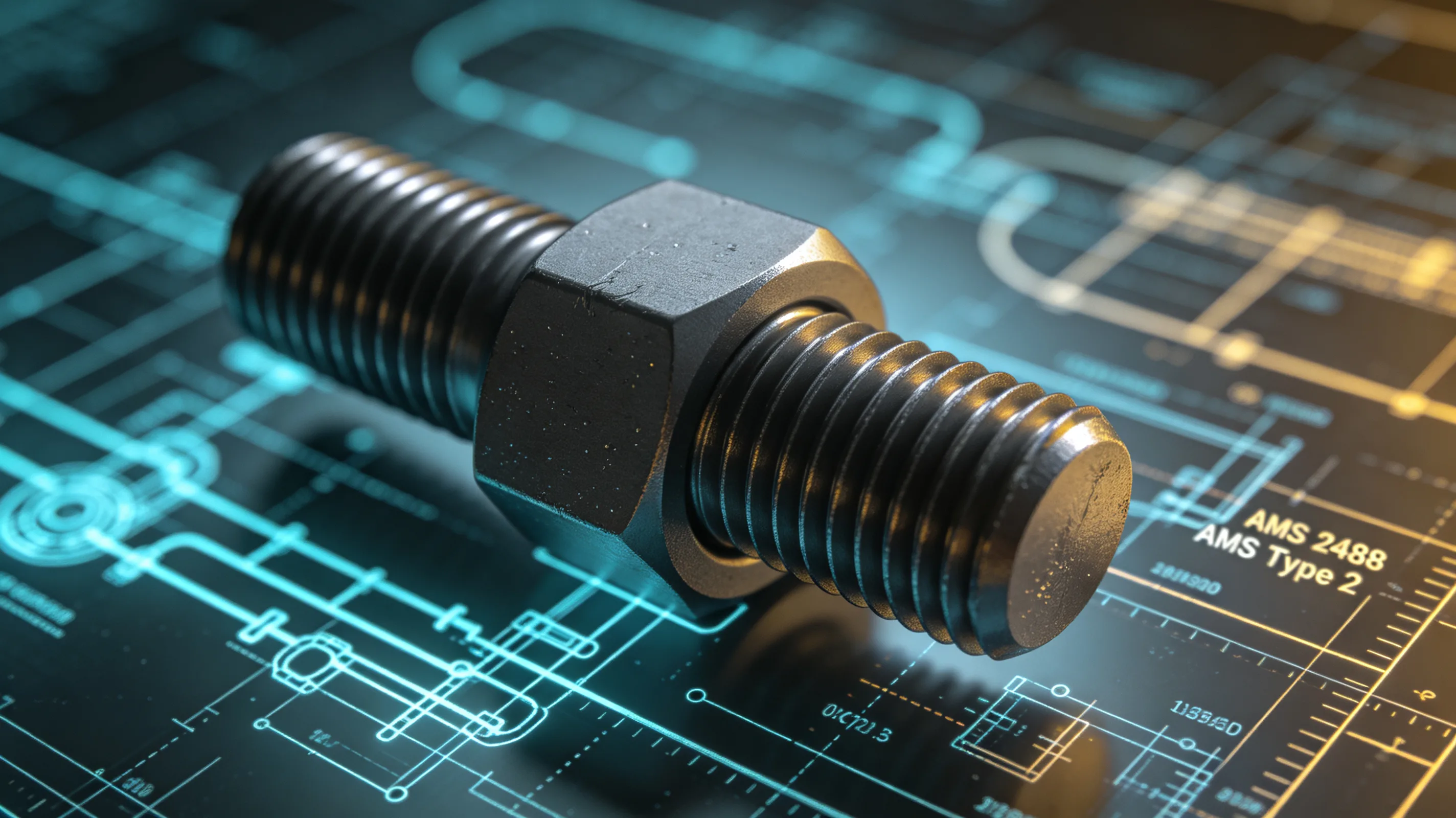
The Ultimate Guide to Titanium Surface Treatments in Aerospace Engineering
Comprehensive aerospace engineering reference for titanium surface treatments — AMS 2488 Type 1/2/3 anodizing standards, PEO/micro-arc oxidation, dry film lubricants, duplex coating systems, and torque-tension compliance for flight-critical titanium fasteners and structural components.
AMS 4943 vs AMS 4944: What's the Difference?
A technical comparison of AMS 4943 and AMS 4944 titanium sheet and strip specifications. Covers chemistry, mechanical properties, heat treatment, procurement implications, and when to specify each standard.
ASTM B338 Titanium Tubing Standard Explained
A technical explanation of ASTM B338 — the standard specification for seamless and welded titanium tubing for condensers, heat exchangers, and process equipment. Covers grades, wall thickness, testing, and procurement rules.
ASTM B348 Explained: Titanium and Titanium Alloy Bars and Billets
A technical explanation of ASTM B348 — the standard specification for titanium and titanium alloy bars and billets. Covers grade scope, mechanical property requirements, testing and certification, procurement rules, and when to specify ASTM B348 over ASTM B265 or AMS specifications.
Applications and Processes
11 articles
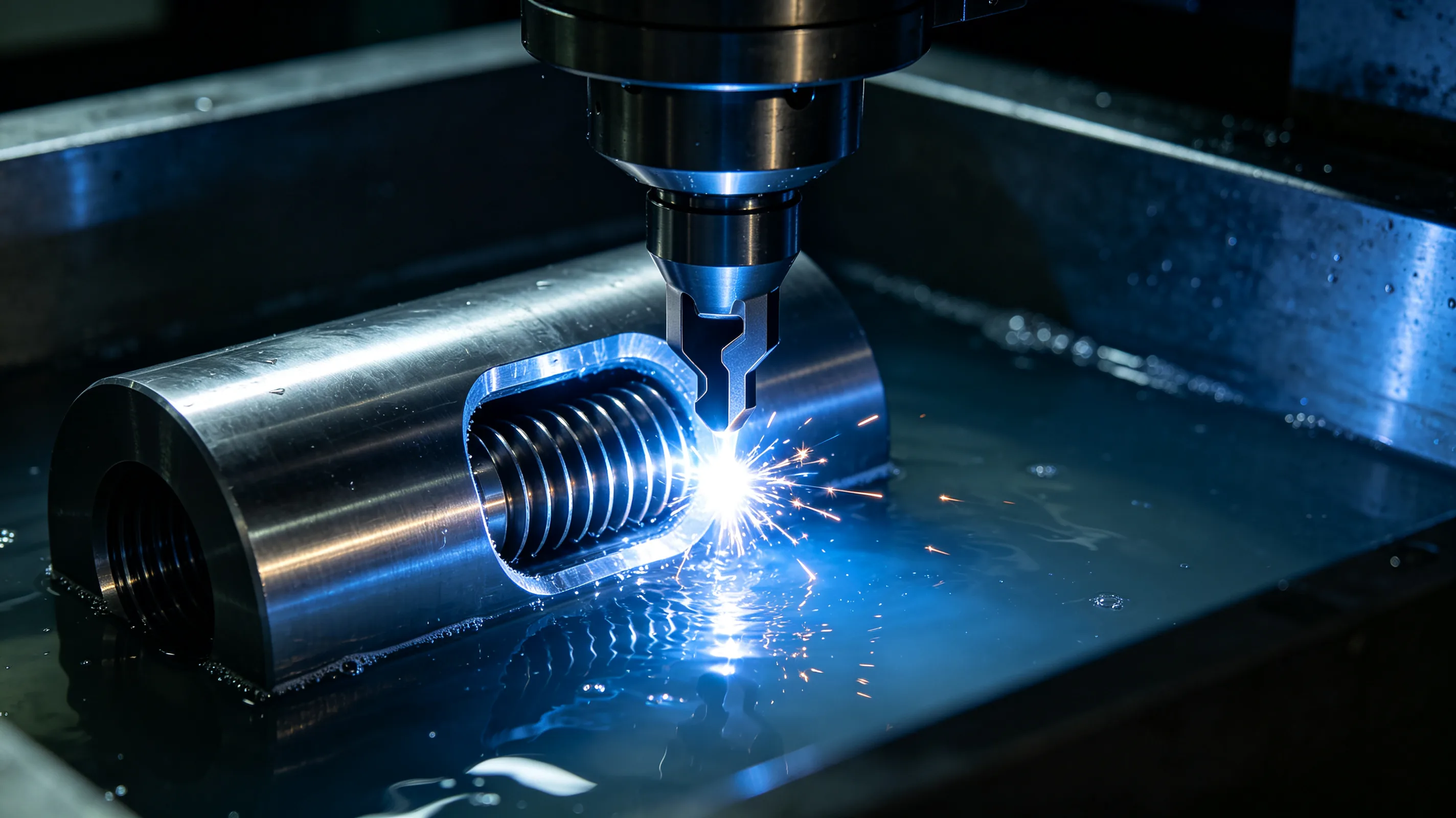
CNC vs EDM for Titanium Parts: Which Process Should You Choose?
An engineering comparison of CNC machining and electrical discharge machining for titanium component production — geometric capabilities, surface integrity, tolerance ranges, cost structures, production quantity effects, and a decision framework for selecting the appropriate process for your part.

EDM Broaching for Titanium Parts: Complex Internal Profiles and Precision Features
A technical analysis of EDM broaching for titanium components — how the process differs from conventional broaching and standard EDM, the types of internal profiles it can produce, electrode design and wear management, surface integrity considerations, and when EDM broaching is the most practical option for complex internal titanium features.

EDM Titanium Machining: When Electrical Discharge Machining Is the Better Choice
An engineering assessment of electrical discharge machining for titanium components — when EDM outperforms conventional cutting, material removal rate limitations, surface integrity considerations, electrode wear management, and practical process selection rules for aerospace and medical applications.
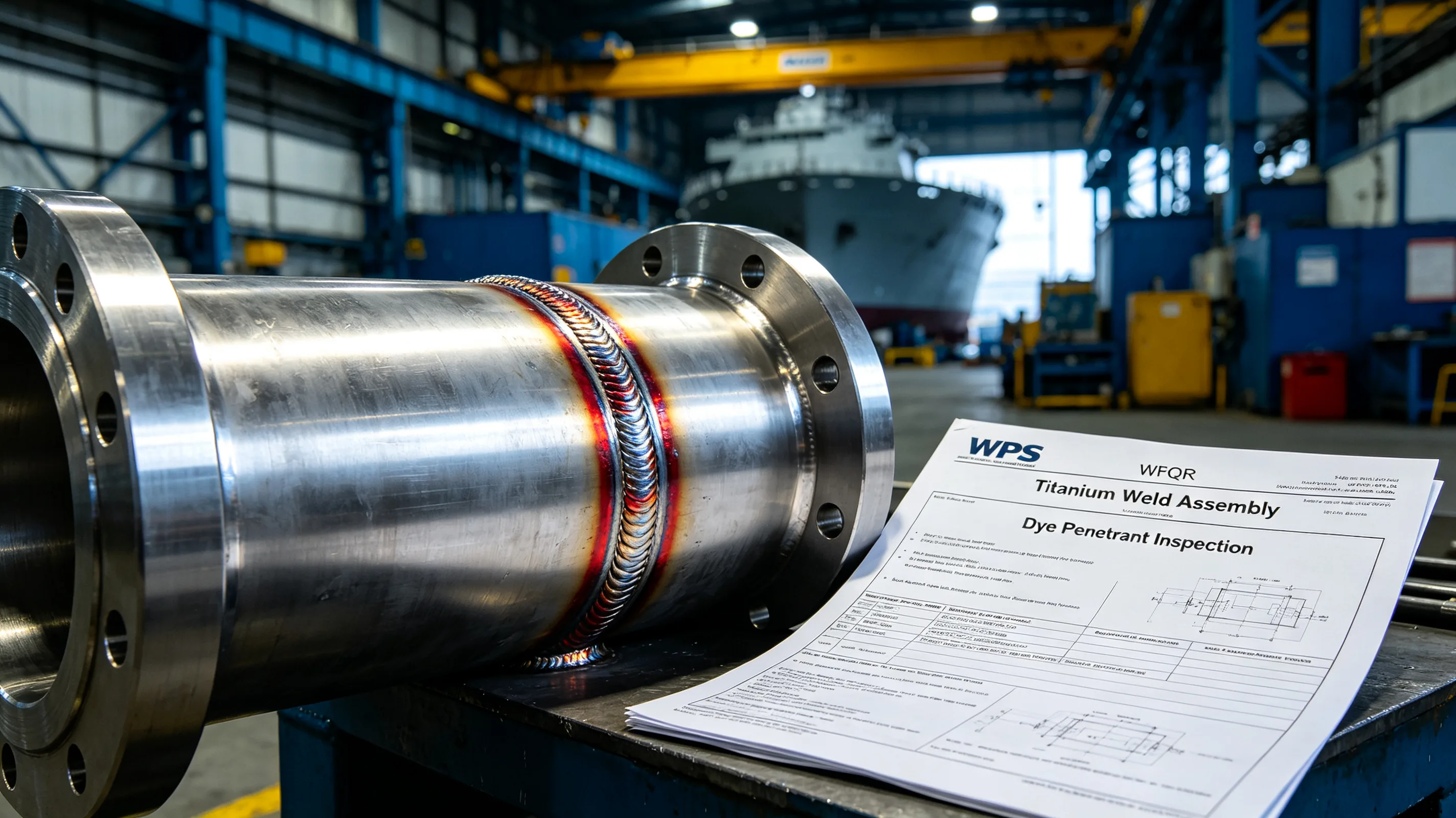
Micro Machining Titanium: EDM, CNC and Precision Manufacturing Methods
An engineering overview of micro machining methods for titanium components — CNC micro milling and micro turning capabilities, micro EDM for high-aspect-ratio features, process selection for micro features, surface integrity at the microscale, and practical limitations of each method for aerospace, medical, and precision industrial applications.
Case Studies
3 articles
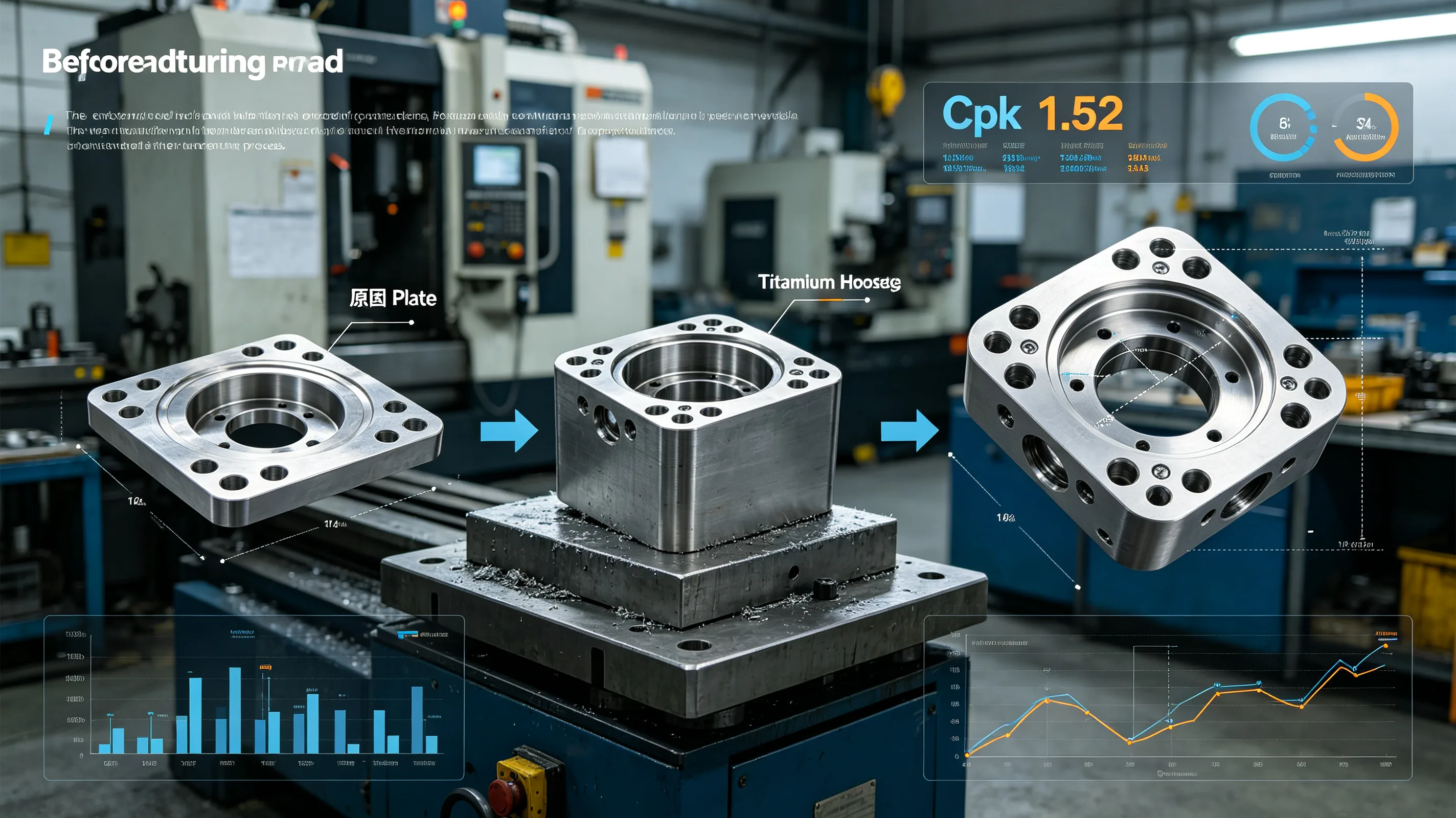
Case Study — Complex Titanium Component Process Development for Tight Tolerance Production
A case study of developing a manufacturing process for a complex titanium component with multiple tight-tolerance features — machining sequence optimization, tool selection and validation, in-process inspection strategy, and production scale-up from prototype to volume manufacturing.
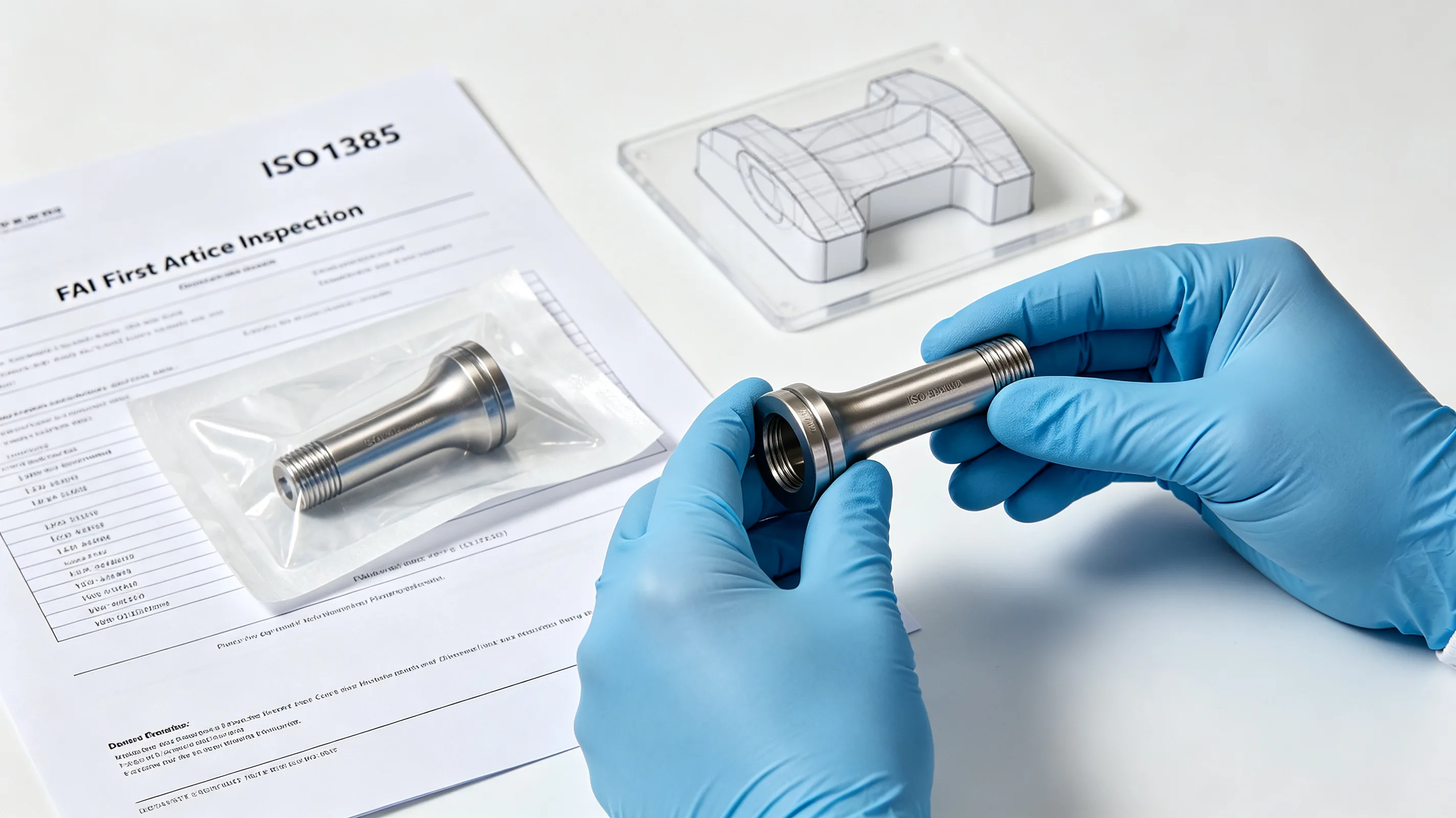
Case Study — Precision Titanium Medical Implant Component Production
A case study of producing a precision titanium medical implant component — material specification and certification requirements, machining process validation for ISO 13485 compliance, surface finish and cleanliness verification, and first article inspection results.
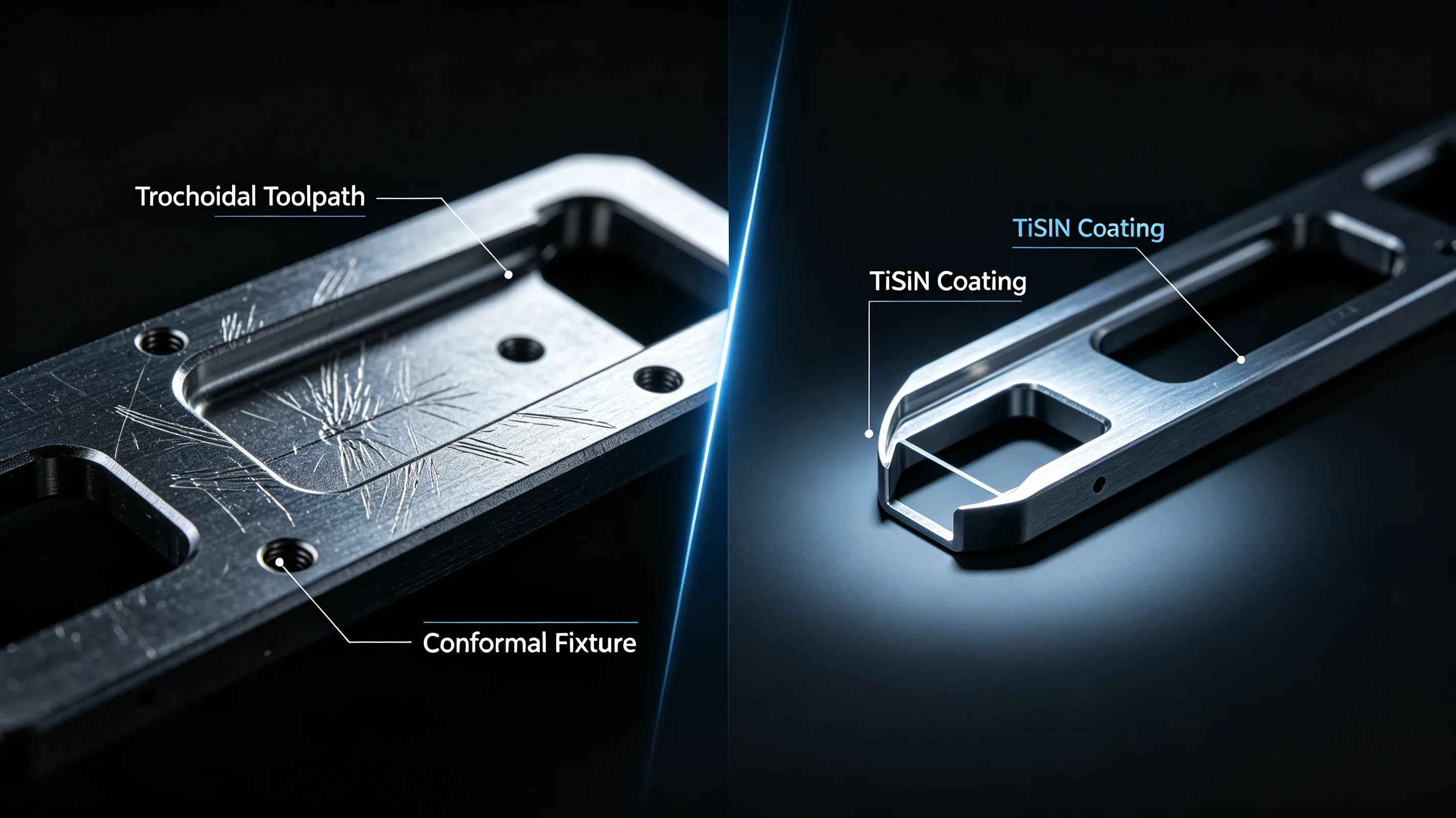
Case Study — Thin-Wall Titanium Aerospace Bracket Manufacturing
A case study of manufacturing a thin-wall titanium aerospace bracket — initial machining challenges with wall deflection and vibration, process development including toolpath optimization and fixturing redesign, and the final process parameters that achieved consistent dimensional compliance.
Procurement Guides
5 articles
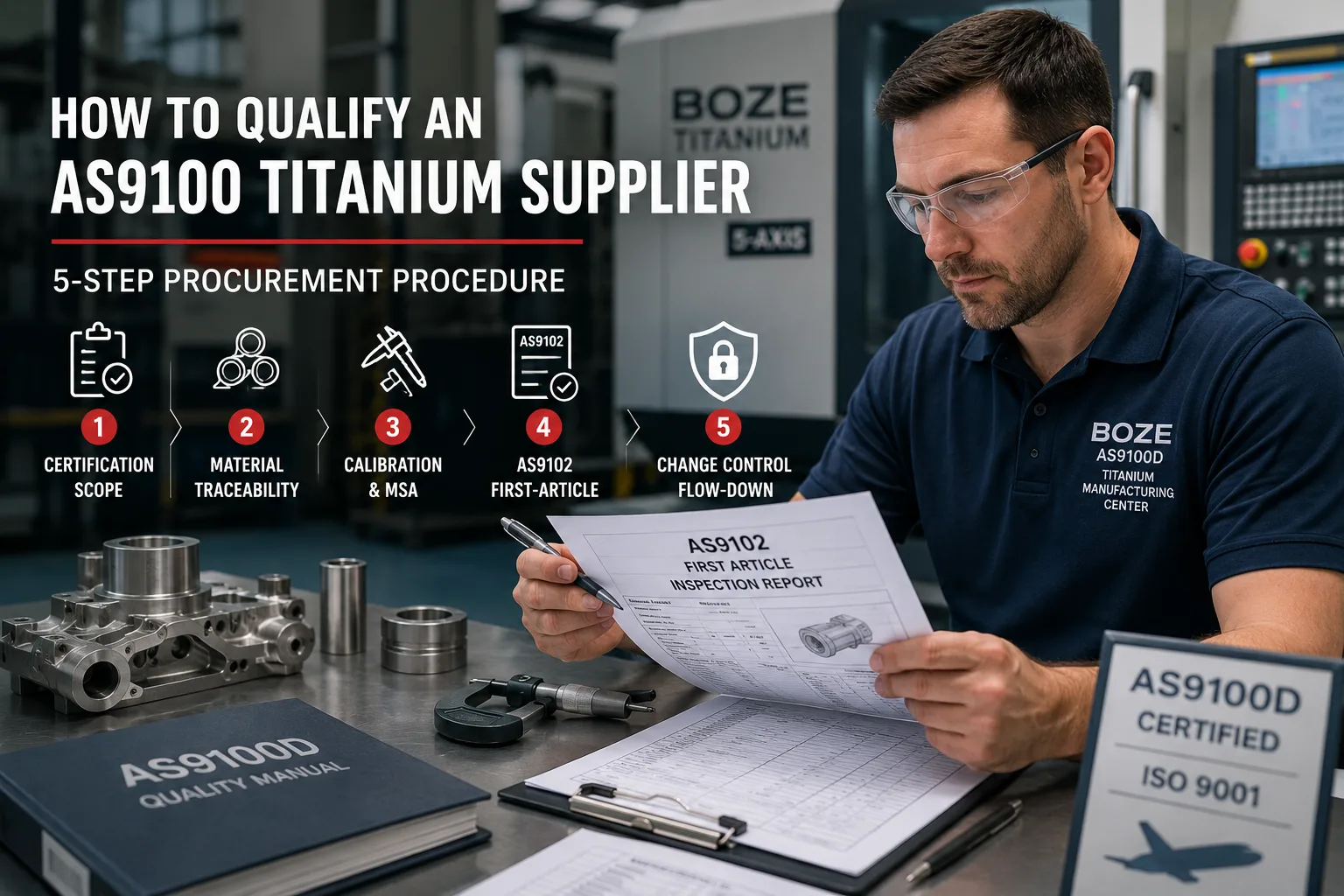
How to Qualify an AS9100 Titanium Supplier — 5-Step Procurement Procedure
A procurement-quality engineer's 5-step procedure for qualifying an AS9100D-certified titanium machining supplier. Covers certification scope, material traceability, calibration / MSA, AS9102 first-article, and change-control flow-down (DFARS / ITAR). References real shop-floor evidence from Boze's AS9100D program.

How to Choose a Titanium CNC Machining Supplier — Evaluation Framework for Buyers
A practical evaluation framework for selecting a titanium CNC machining supplier — technical capability assessment criteria, quality system verification, communication and engineering support evaluation, and practical steps for RFQ preparation and supplier qualification.
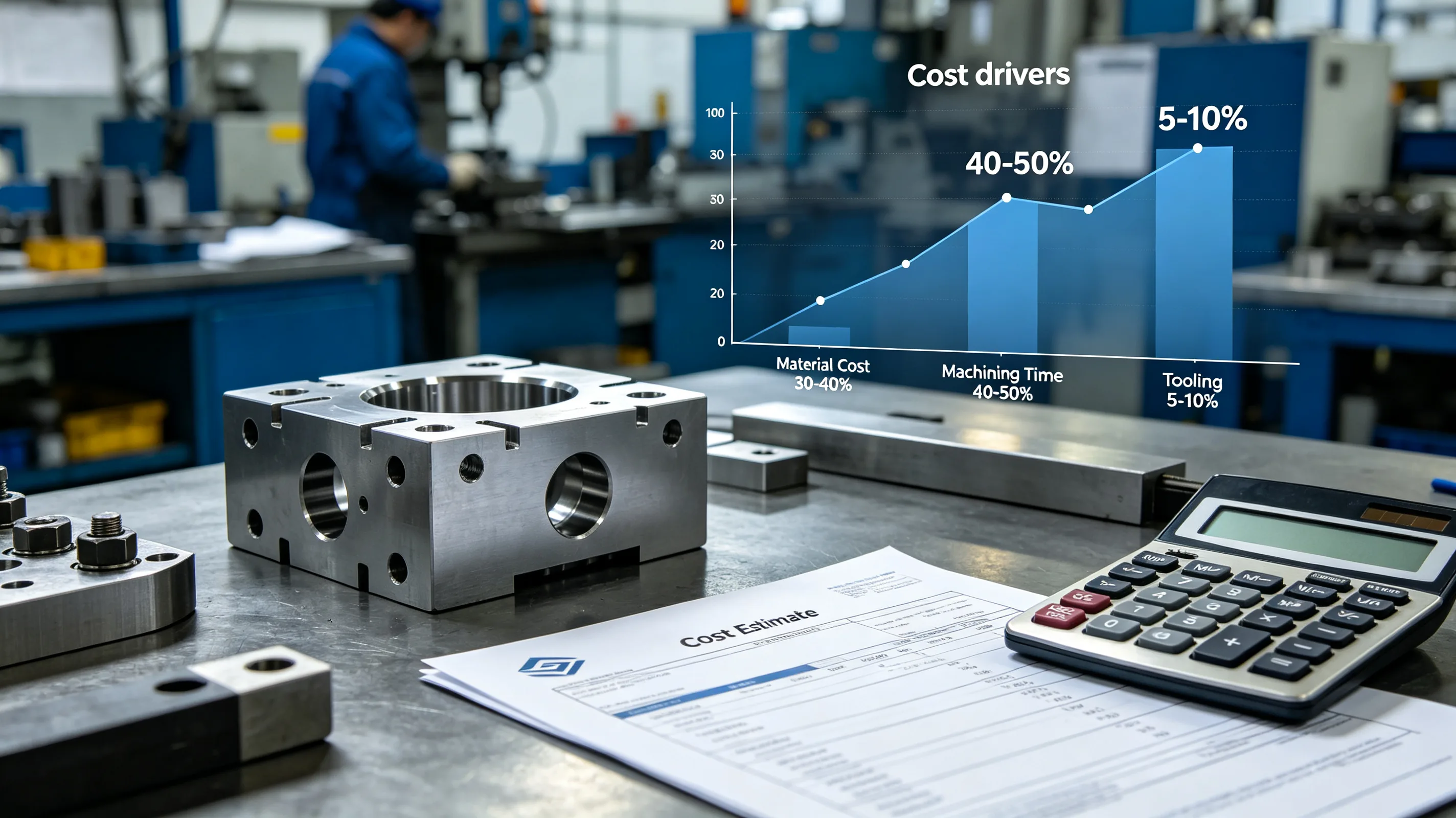
Titanium CNC Machining Cost Factors — What Drives Pricing for Precision Components
An engineering assessment of cost drivers for titanium CNC machining — material cost and availability by grade, machining time and tooling cost factors, the effect of tolerance and geometry complexity on pricing, and practical cost reduction strategies for component design and procurement.
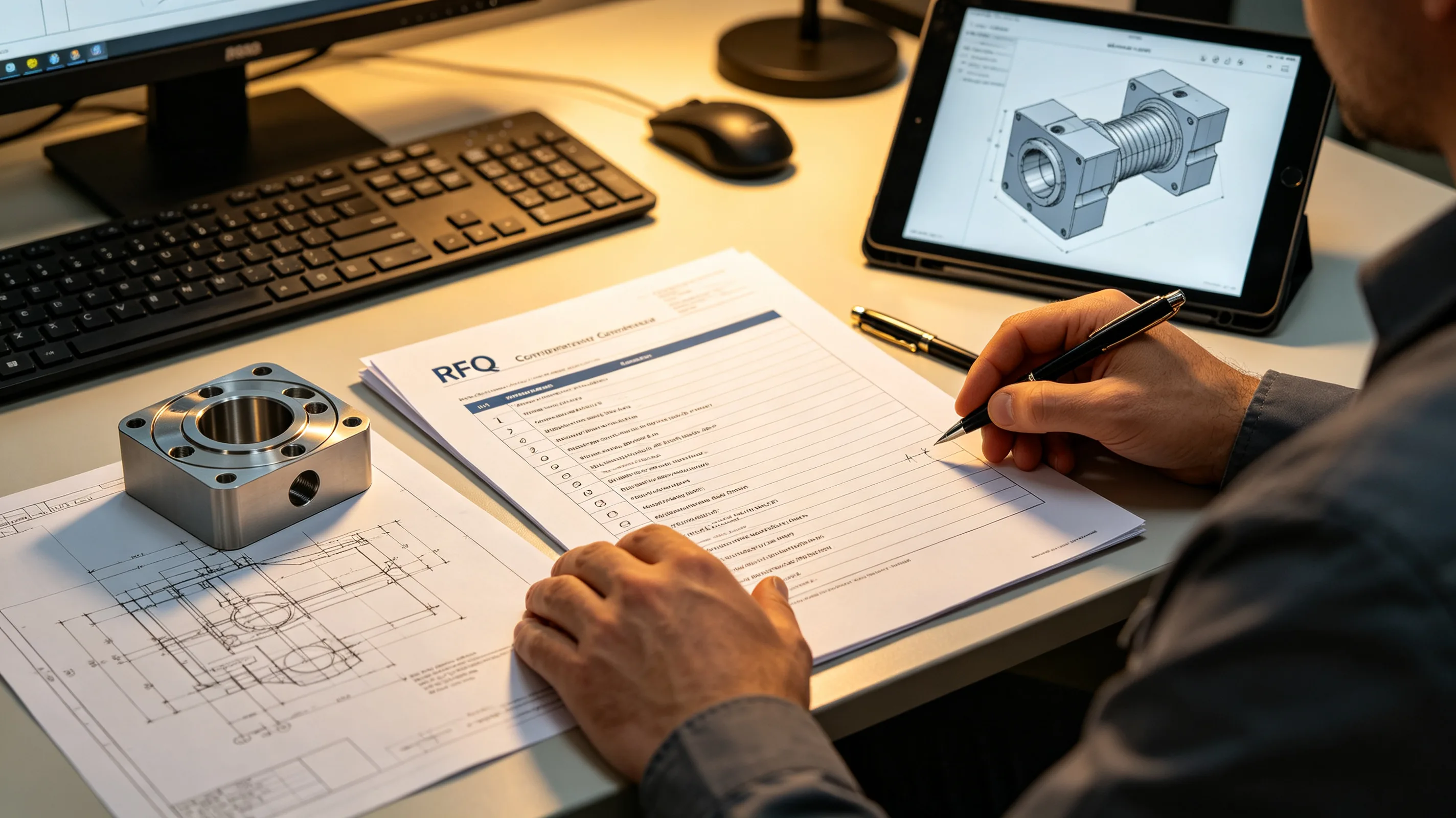
Titanium CNC Machining RFQ Checklist — What to Include in Your Request for Quote
A practical checklist for preparing RFQ packages for titanium CNC machined components — the information suppliers need to provide accurate quotes, common RFQ omissions that lead to pricing variations, and how complete specifications improve quote comparison and reduce post-award changes.
Machining Processes
4 articles
5-Axis CNC Machining Titanium vs Inconel and Hastelloy: Speeds, Feeds, and Tooling
A cutting parameter and tooling comparison for 5-axis CNC machining of titanium Ti-6Al-4V vs Inconel 718 vs Hastelloy C-276. Covers speed-feed envelopes, tool material selection, coolant strategy, tool wear mechanisms, and the procurement trade-off between the three heat-resistant alloys.
Inconel 718 vs Titanium Machining: Heat-Resistant Superalloy Comparison
A side-by-side machining comparison of Inconel 718 nickel superalloy vs Ti-6Al-4V titanium. Covers cutting parameter envelopes, tool wear mechanisms, surface integrity challenges, and procurement trade-offs for aerospace hot-section and structural components.
Machining Hardened Titanium Alloys: Surface Integrity and Alpha-Case Prevention
A process engineering guide to surface integrity in machined titanium components. Covers alpha-case formation mechanism, white layer on machined titanium, residual stress profiles, and the cutting parameter / coolant envelope that prevents surface damage.
Why Is Titanium Difficult to Machine: Thermal Dynamics and Tool Chatter
A process engineering analysis of titanium machining difficulty. Covers the thermal-mechanical coupling that drives tool wear, work hardening, springback, and chatter. Includes cutting parameter envelopes and tool geometry choices that mitigate each failure mode.
Medical Manufacturing
1 article
Equipment and Quality
1 article
Aerospace Materials
2 articles
Aerospace Fastener Selection: Titanium vs Inconel vs Steel Comparative Analysis
An engineering selection guide for aerospace fasteners. Covers titanium (Ti-6Al-4V, Ti-6Al-4V ELI, Beta-C), Inconel 718, A286 steel, and PH 17-4 stainless. Includes strength-to-weight, temperature limits, galvanic compatibility, fatigue, and procurement rules for aerospace structural bolting.
Titanium vs Aluminum Aerospace Structural Components: Material Selection Trade-Off
An aerospace materials selection guide comparing titanium and aluminum for structural components. Covers strength-to-weight ratio, fatigue performance, corrosion behavior, temperature limits, manufacturing cost, and the procurement framework for choosing between the two alloy families.
Quality Systems
1 article
Titanium Standards
1 article
Titanium Grades
4 articles
CP Grade 1 vs Grade 2 Titanium: Ductility, Strength, and Formability Trade-Offs
A materials engineering comparison of commercially pure Grade 1 and Grade 2 titanium. Covers the oxygen-driven strength-formability trade-off, deep draw ratios, weldability, service stiffness requirements, and procurement rules for selecting between the two softest CP grades.
Grade 11 Titanium Properties: Chemical Composition and Corrosion Resistance Limits
An engineering analysis of ASTM Grade 11 titanium — the palladium-stabilized version of Grade 1. Covers the role of the 0.12 to 0.25 percent palladium addition, the reducing acid service boundary, welding filler matching, and the procurement trap of over-specification in oxidizing environments.
Master Titanium Grade Comparison Chart: Mechanical Properties Across Grades 1-29
An engineering reference for ASTM titanium grades 1 through 29. Covers unalloyed CP grades, palladium-stabilized variants, alpha and near-alpha alloys, alpha-beta alloys, and beta alloys. Includes yield strength, corrosion behavior, weldability, temperature limits, and procurement cost gradient.
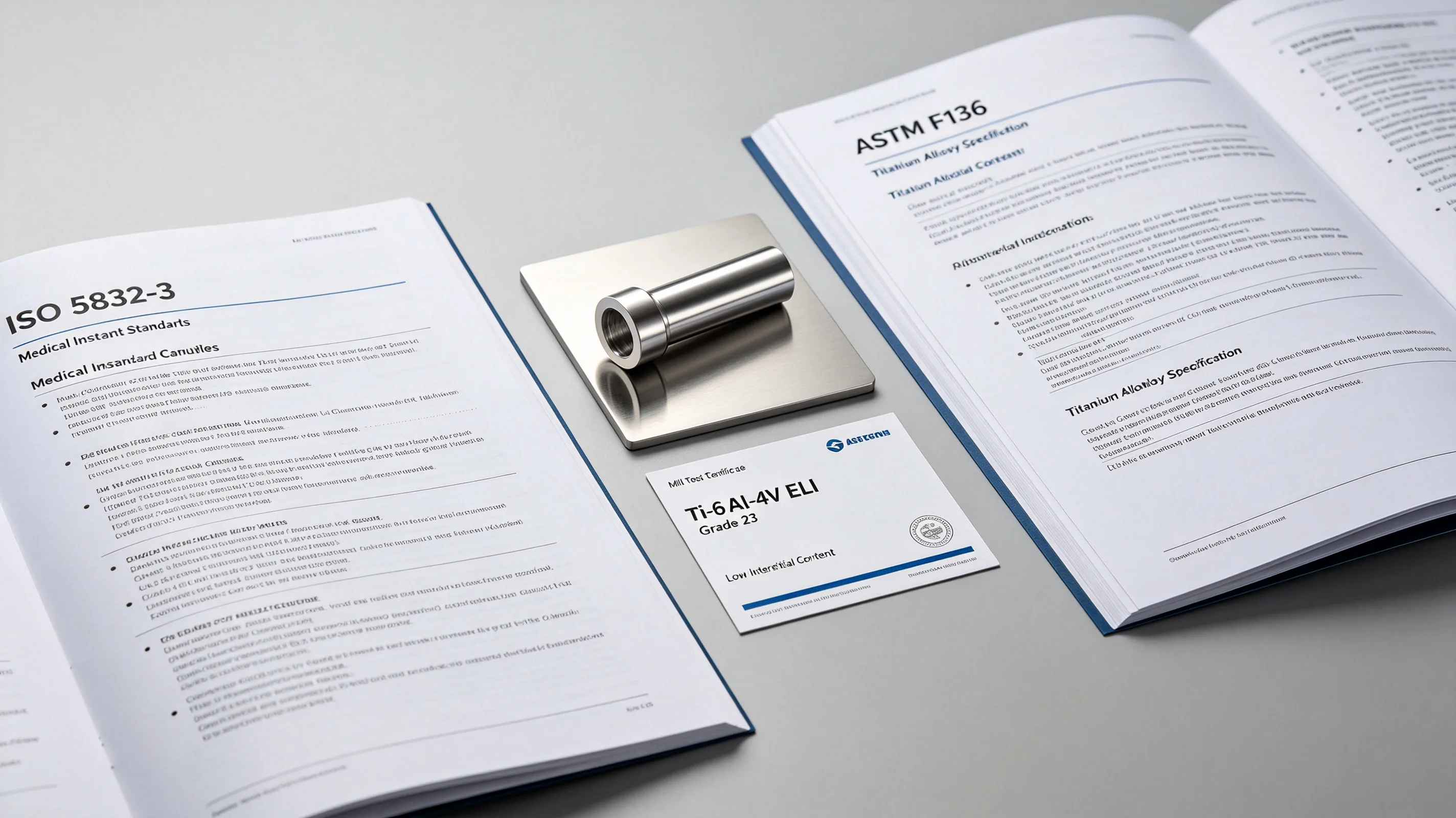
TA6V ELI (Grade 23) Titanium Specifications: Biocompatibility and Fracture Toughness
A materials engineering analysis of Grade 23 (Ti-6Al-4V ELI) titanium. Covers the interstitial ceiling reductions vs Grade 5, ASTM F136 and ISO 5832-3 medical standards, fracture toughness at cryogenic temperatures, and procurement rules for implant and aerospace cryogenic applications.
Manufacturing Processes
1 article
Procurement and Sourcing
1 article
Wear Materials
1 article
Heat Treatment
1 article
Welding and Joining
1 article
Quality & Traceability
1 article
Engineering Drawing
1 article
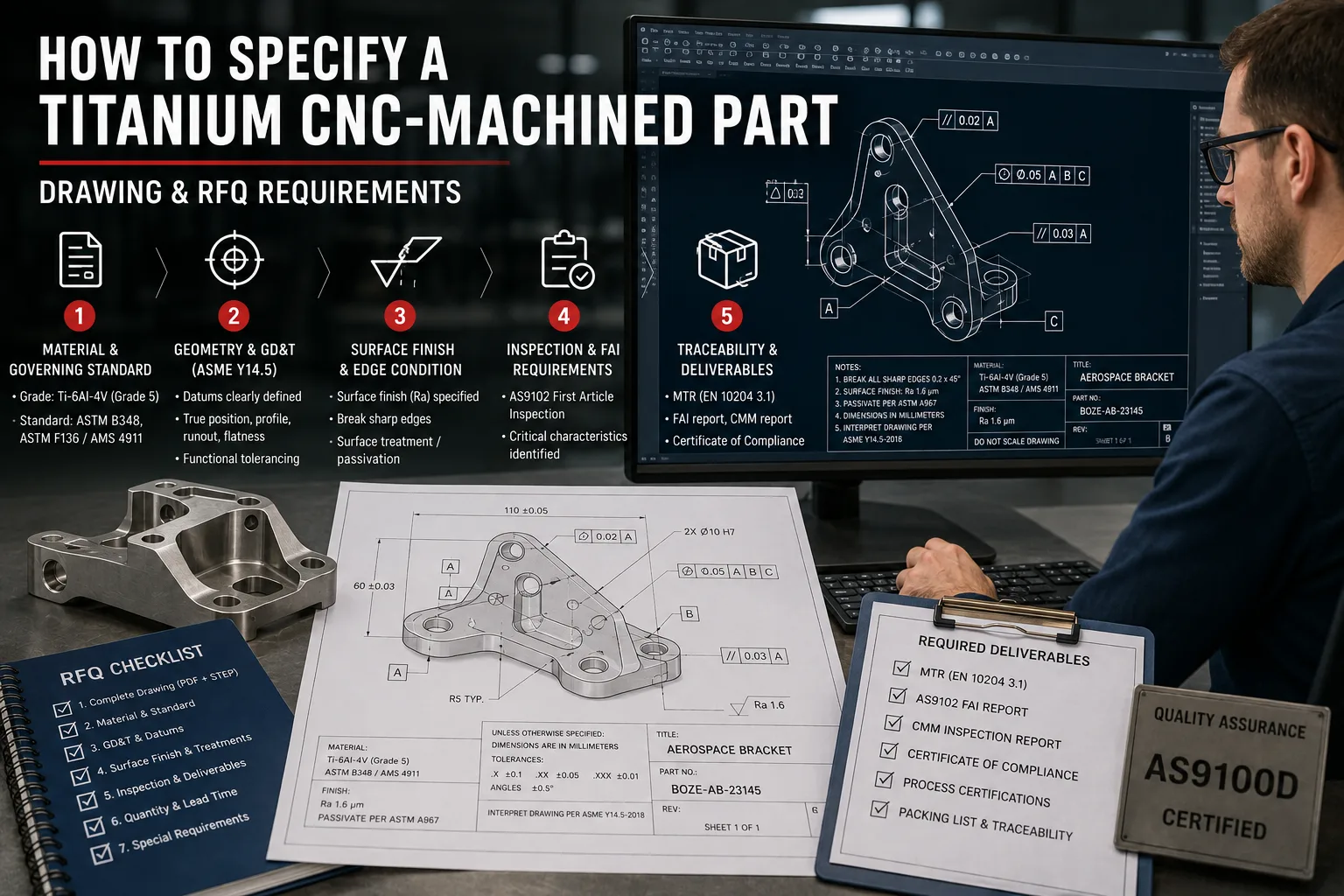
Standards and Certifications
2 articles
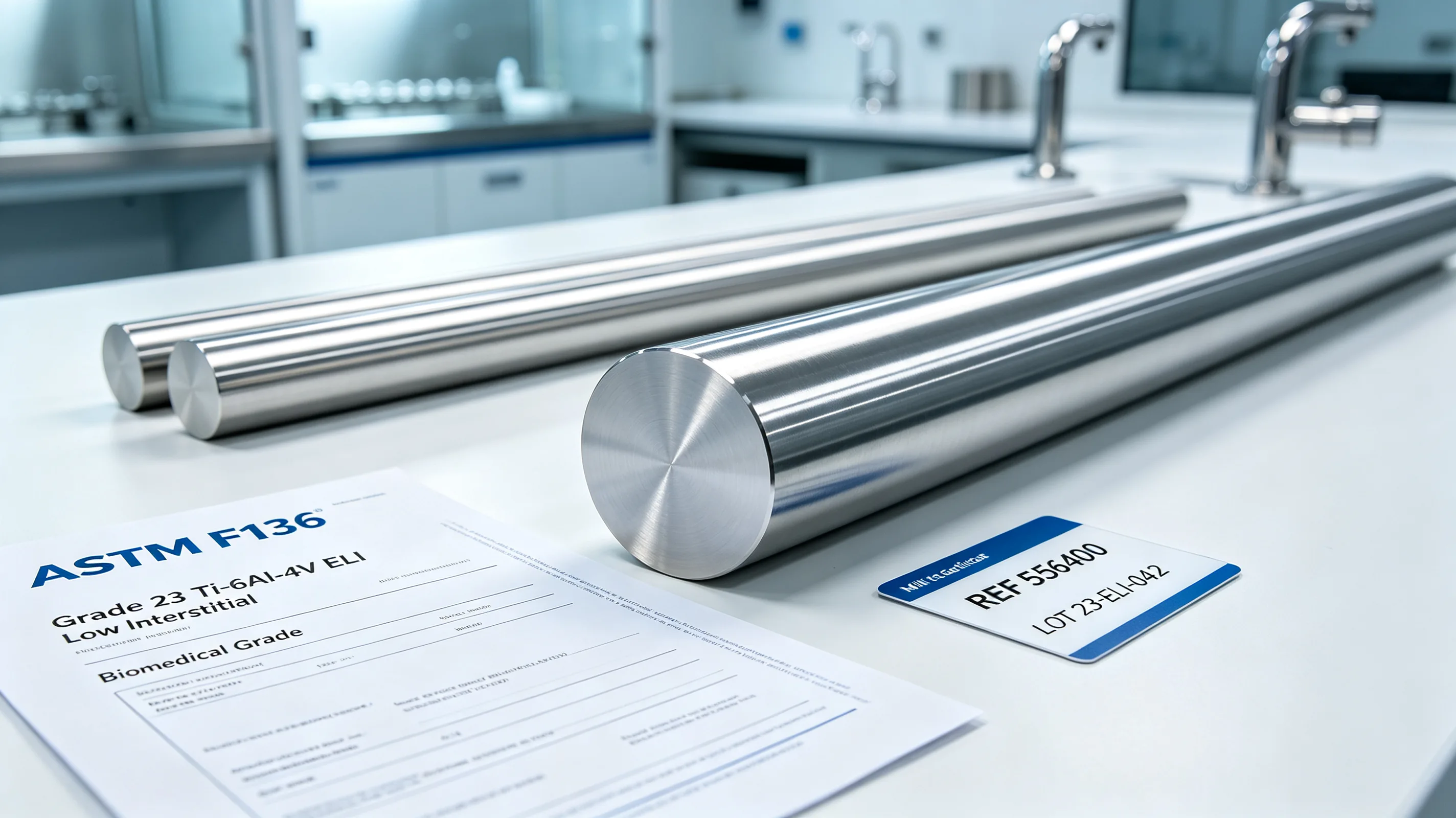
ASTM F136 Explained: Ti-6Al-4V ELI Standard for Surgical Implants
A technical guide to ASTM F136 — the governing standard for Ti-6Al-4V ELI wrought titanium for surgical implant applications. Chemical composition limits, mechanical property requirements, microstructure specifications, certification and traceability requirements, and practical procurement implications for medical device manufacturers.
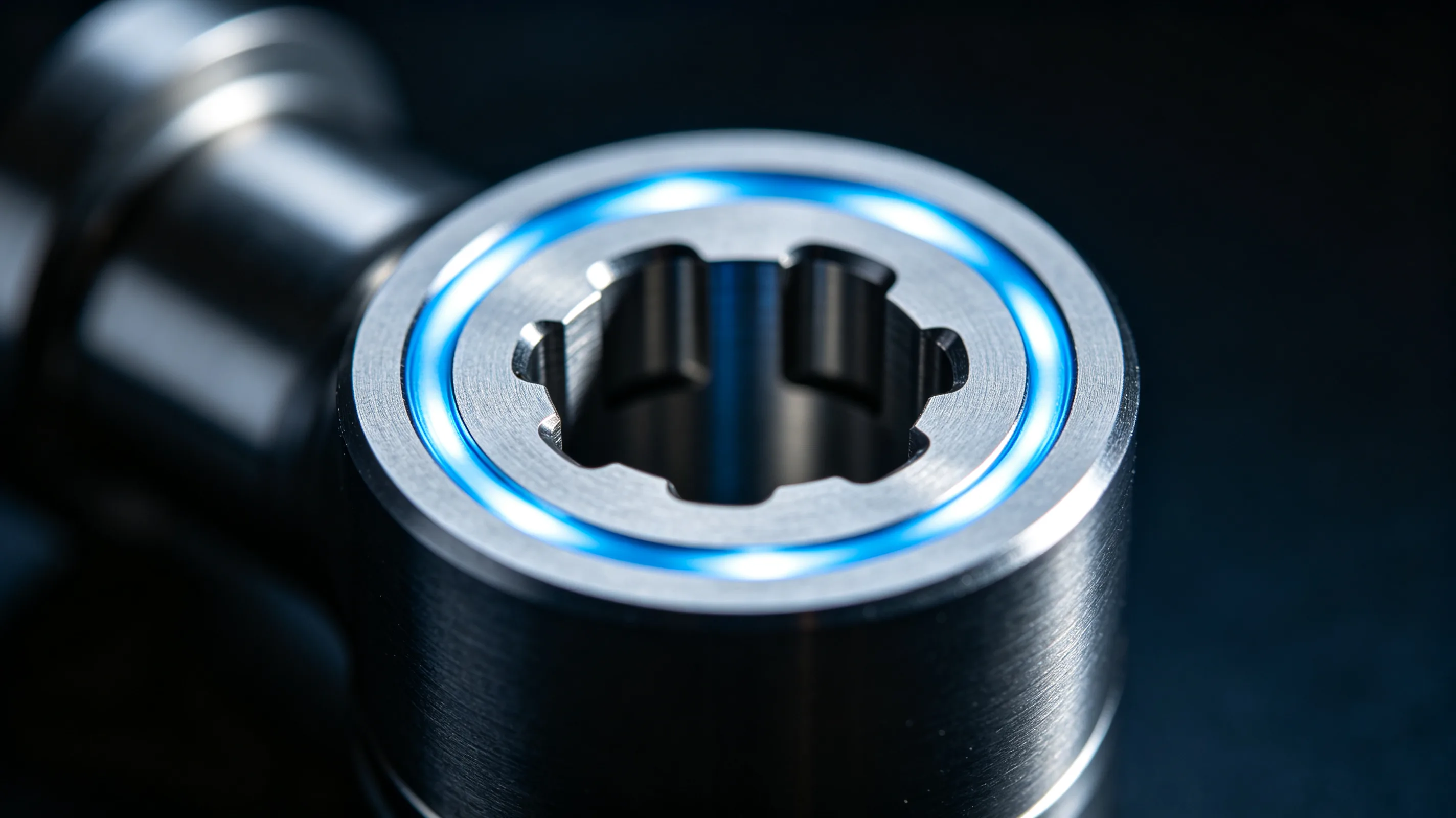
ISO 5832-3 vs ASTM F136: Titanium Material Standards for Surgical Implants Compared
A technical comparison of ISO 5832-3 and ASTM F136 — the two governing material standards for Ti-6Al-4V ELI used in surgical implants. Composition and property differences, regulatory acceptance in Europe, the United States, and other markets, certification requirements under each standard, and practical guidance for procurement teams sourcing material for global medical device manufacturing.
Medical Applications
1 article
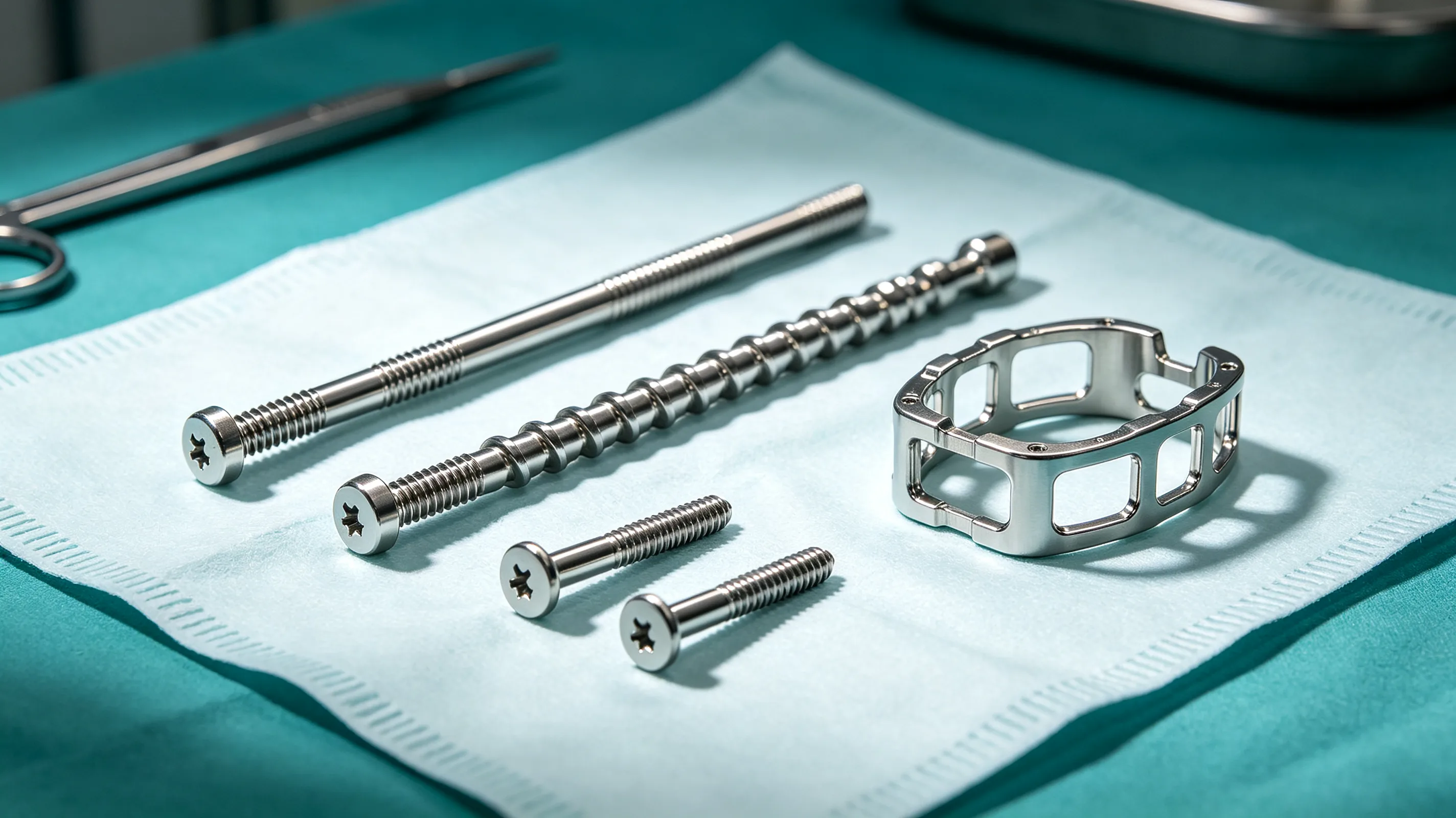
Industry Insights
1 article
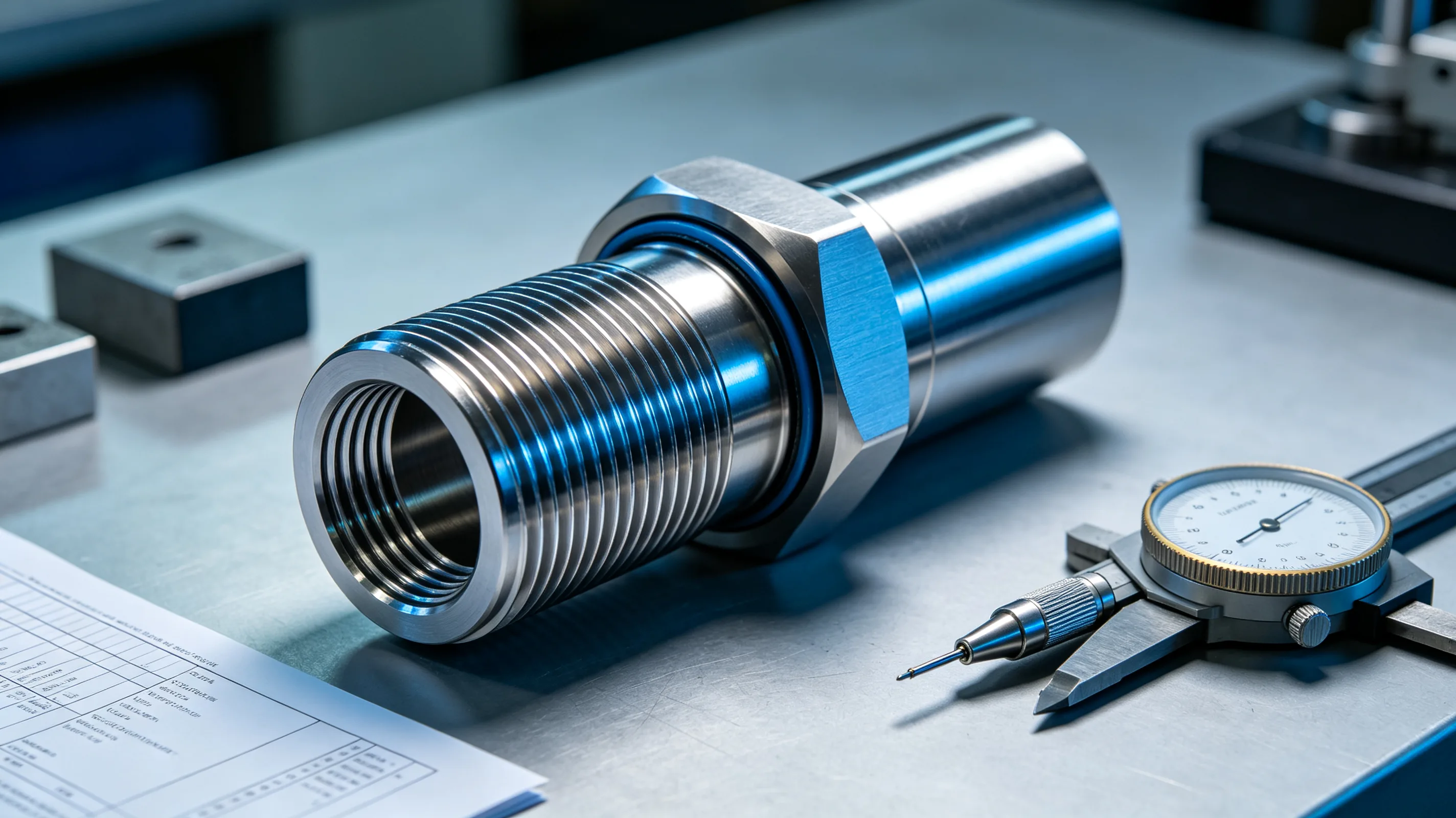
Titanium Components
1 article
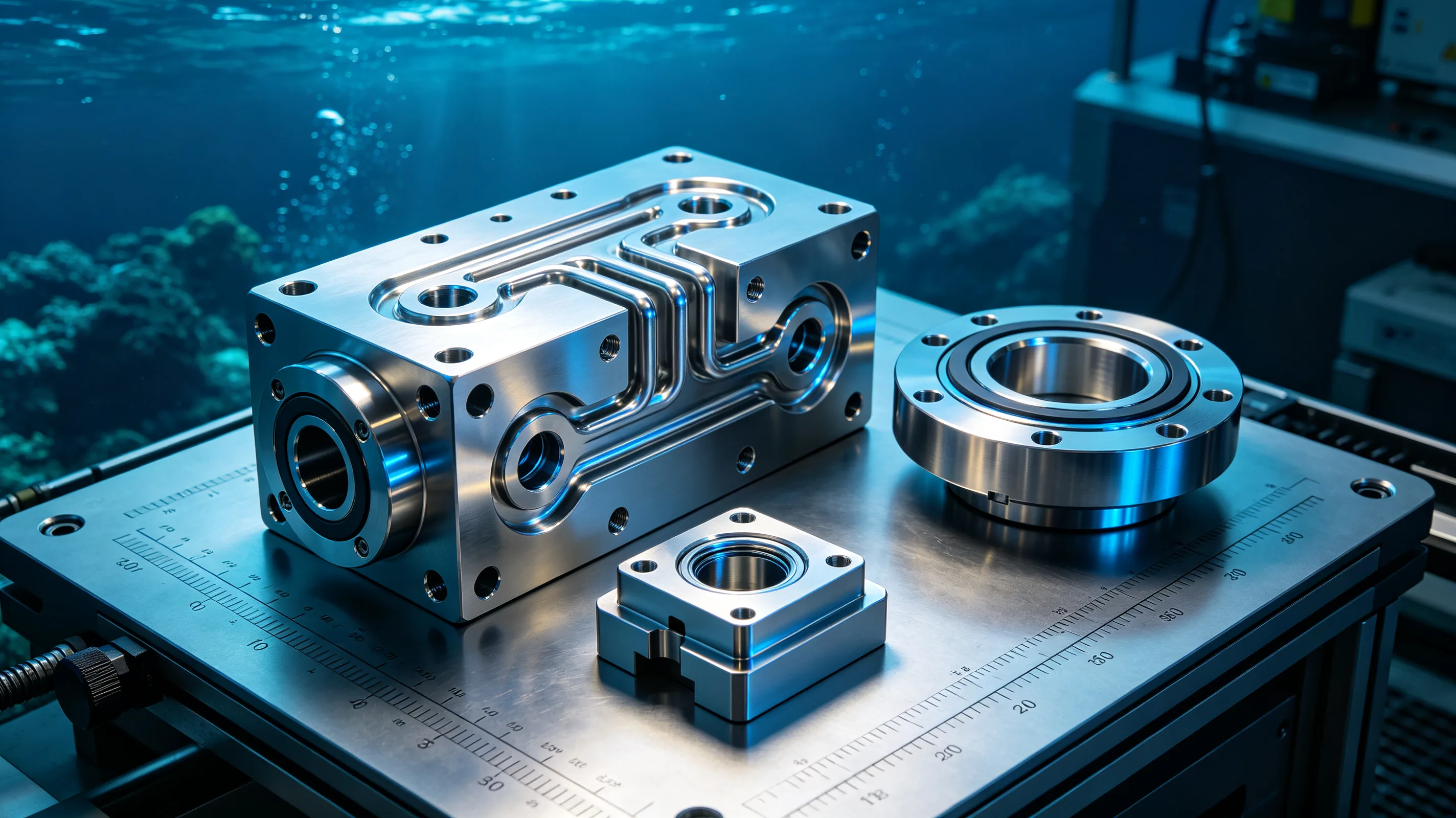
Subsea Components
1 article
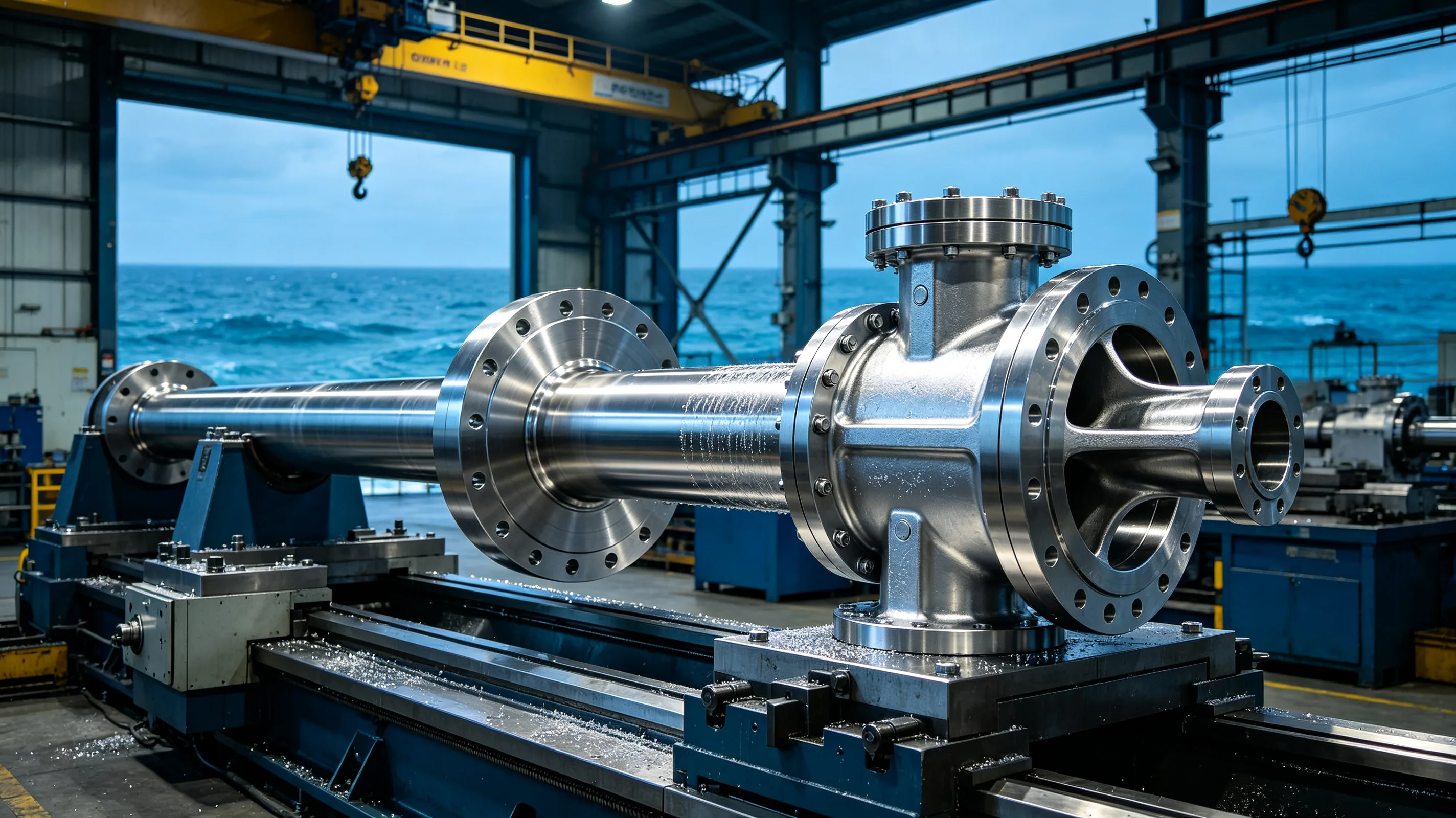
Marine Machining
1 article
Subsea CNC
1 article
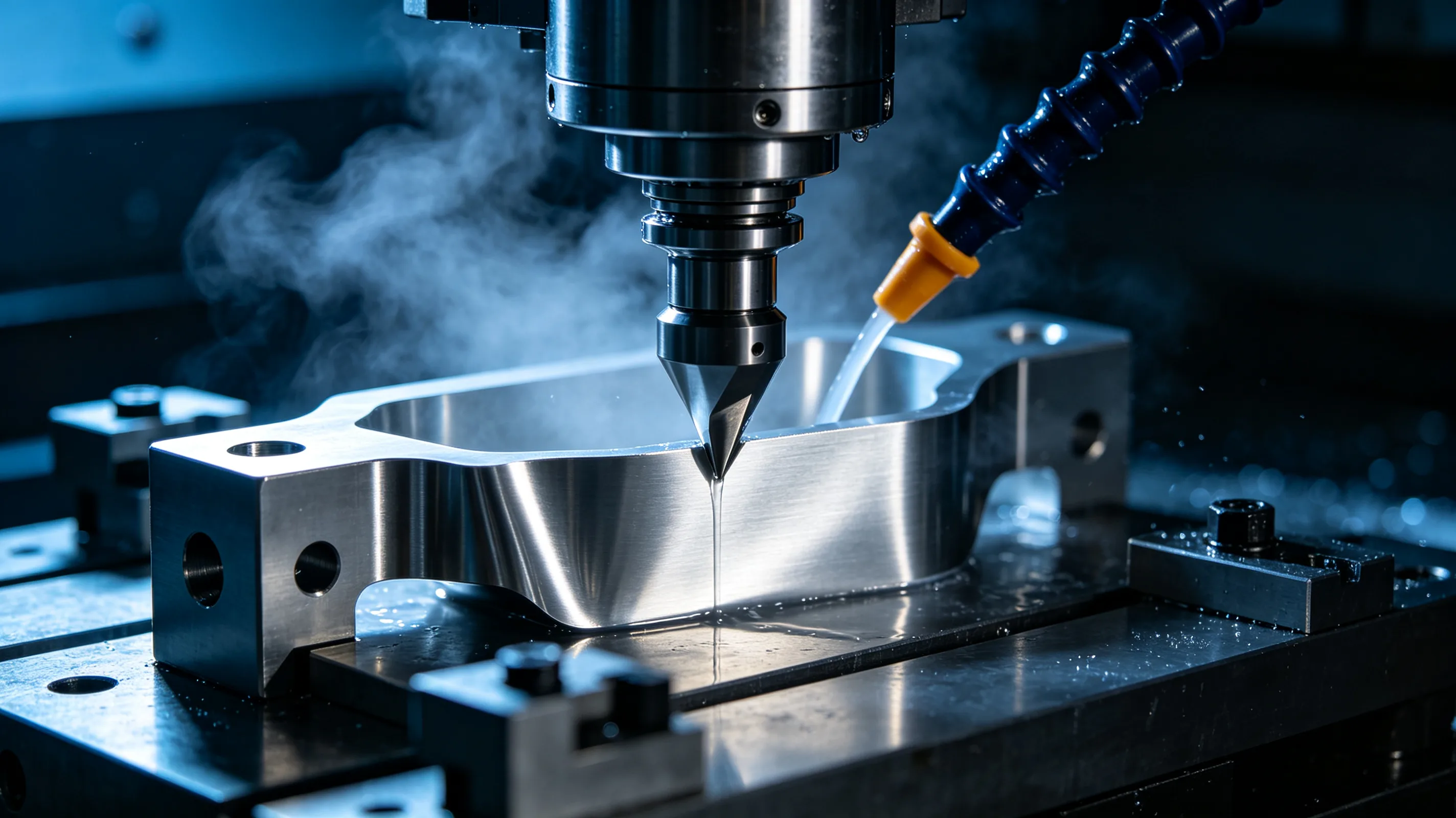
Subsea Machining
1 article
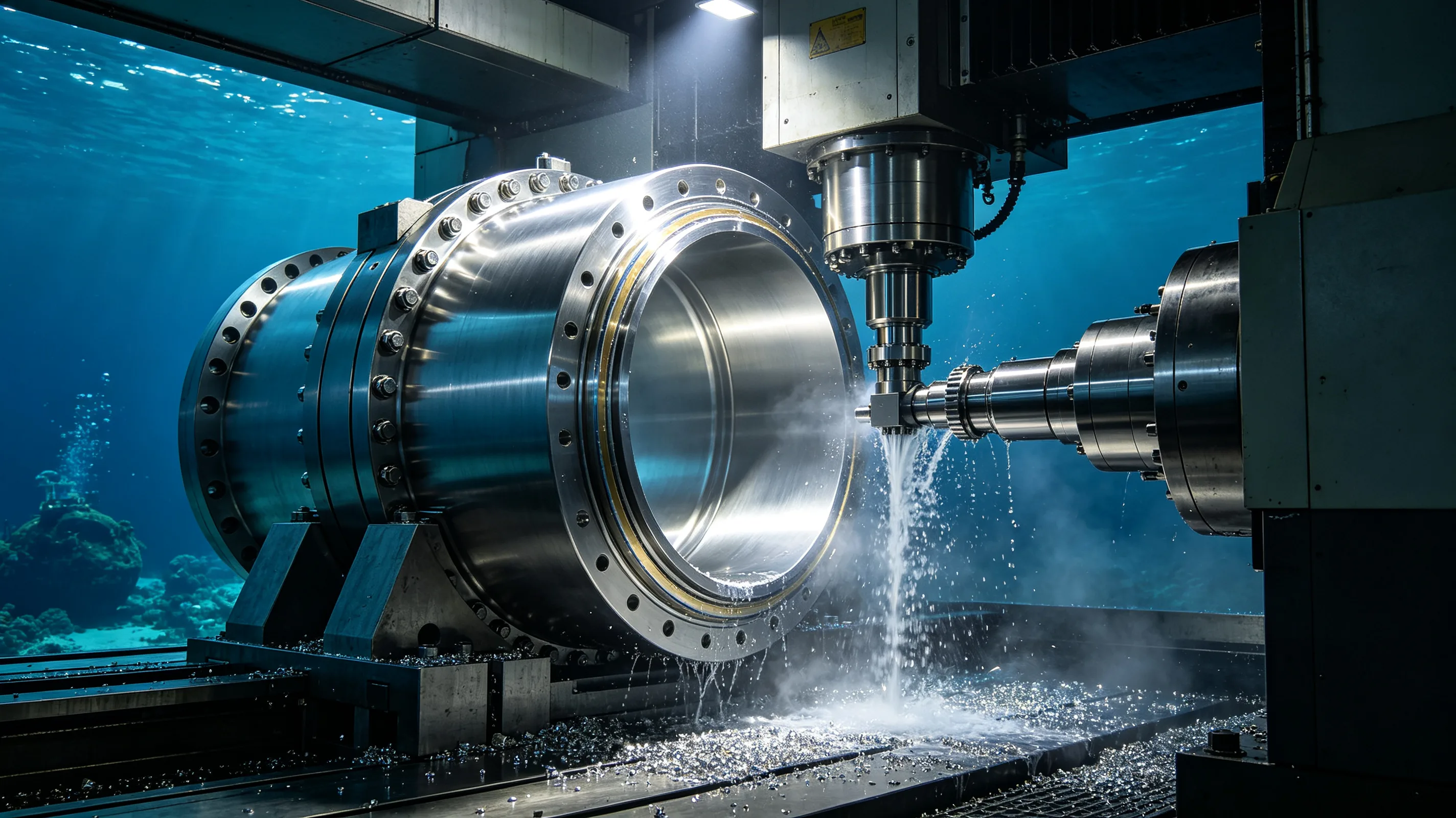
Stay Ahead in Precision Manufacturing
Subscribe to our newsletter for the latest insights on CNC machining, titanium manufacturing, and industry innovations.
One Metal. One Focus. Infinite Precision.
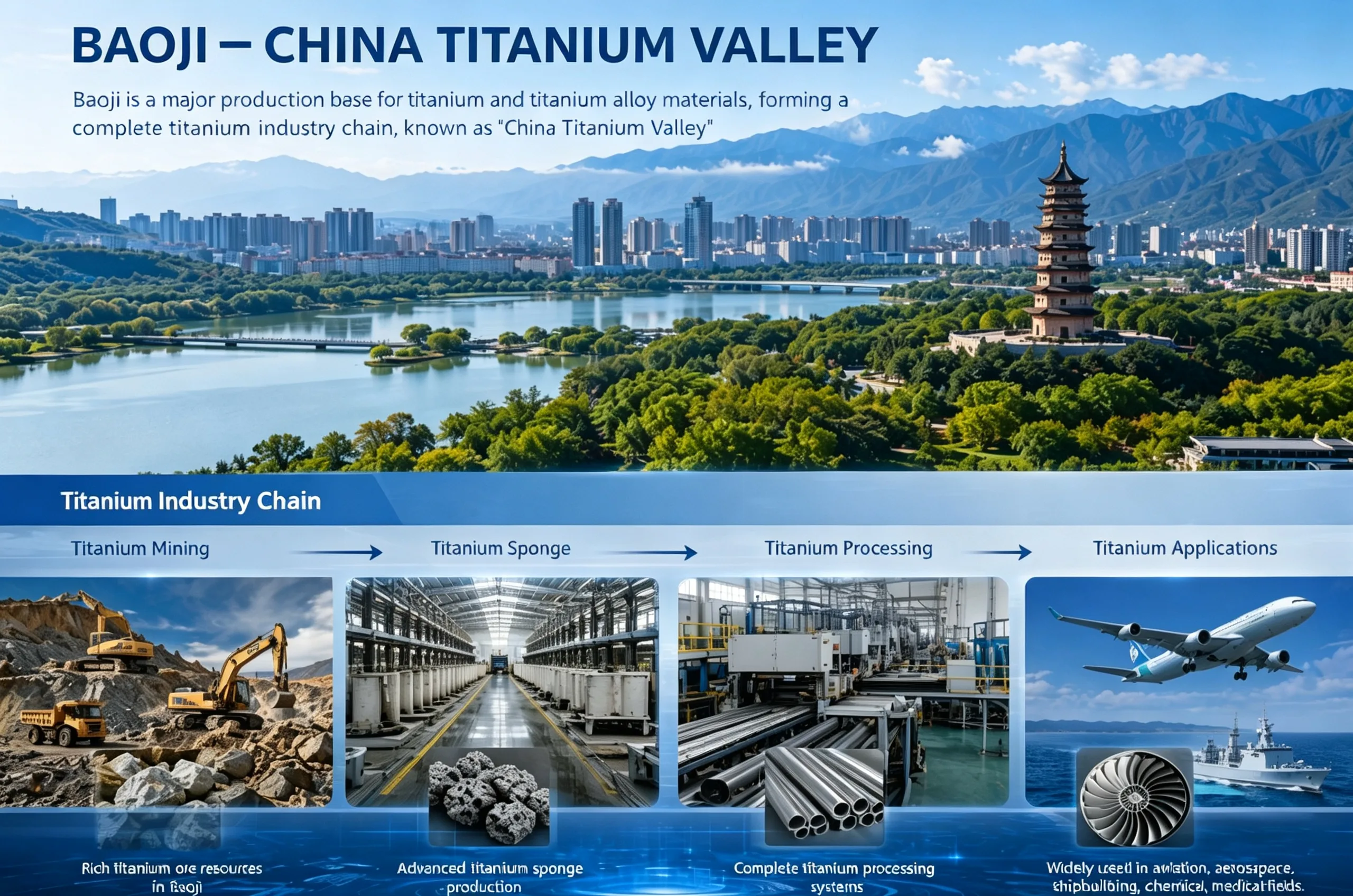
Founded in 2011 in Baoji's Titanium Valley, BOZE Metal is dedicated exclusively to titanium — from raw material to precision engineering. AS9100D, ISO 13485 & ISO 9001 certified with 500+ clients across Aerospace, Medical & Motorsport industries, we deliver end-to-end precision titanium CNC machining with full material traceability from source to component.
Boze Titanium Manufacturing Center is operated by Baoji Boze Metal Products Co., Ltd.