Materials Engineering
All materials engineering articles from the Boze Titanium Manufacturing Center — engineering guides, case studies, and manufacturing insights for buyers and engineers.
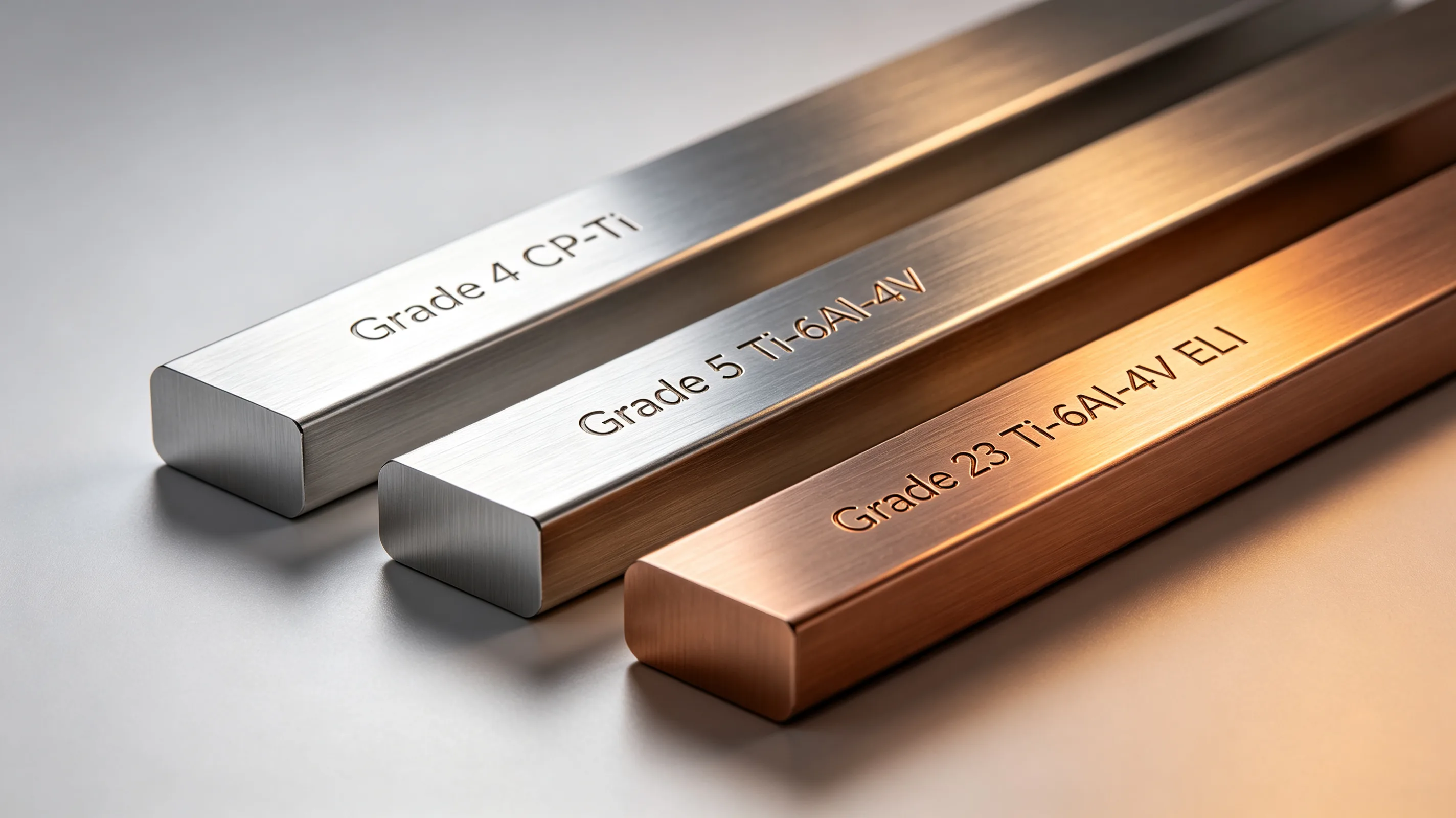
Titanium Grade 4 vs Grade 5 vs Grade 23: Three-Way Engineering Comparison for Medical and Industrial Applications
A three-way engineering comparison of Grade 4 CP-Titanium, Grade 5 (Ti-6Al-4V), and Grade 23 (Ti-6Al-4V ELI) — chemical composition differences, mechanical property trade-offs across the strength-ductility-toughness spectrum, applicable standards for each grade, cost comparisons, machining and processing implications, and application-specific selection criteria for medical implants, aerospace components, chemical processing equipment, and marine hardware.
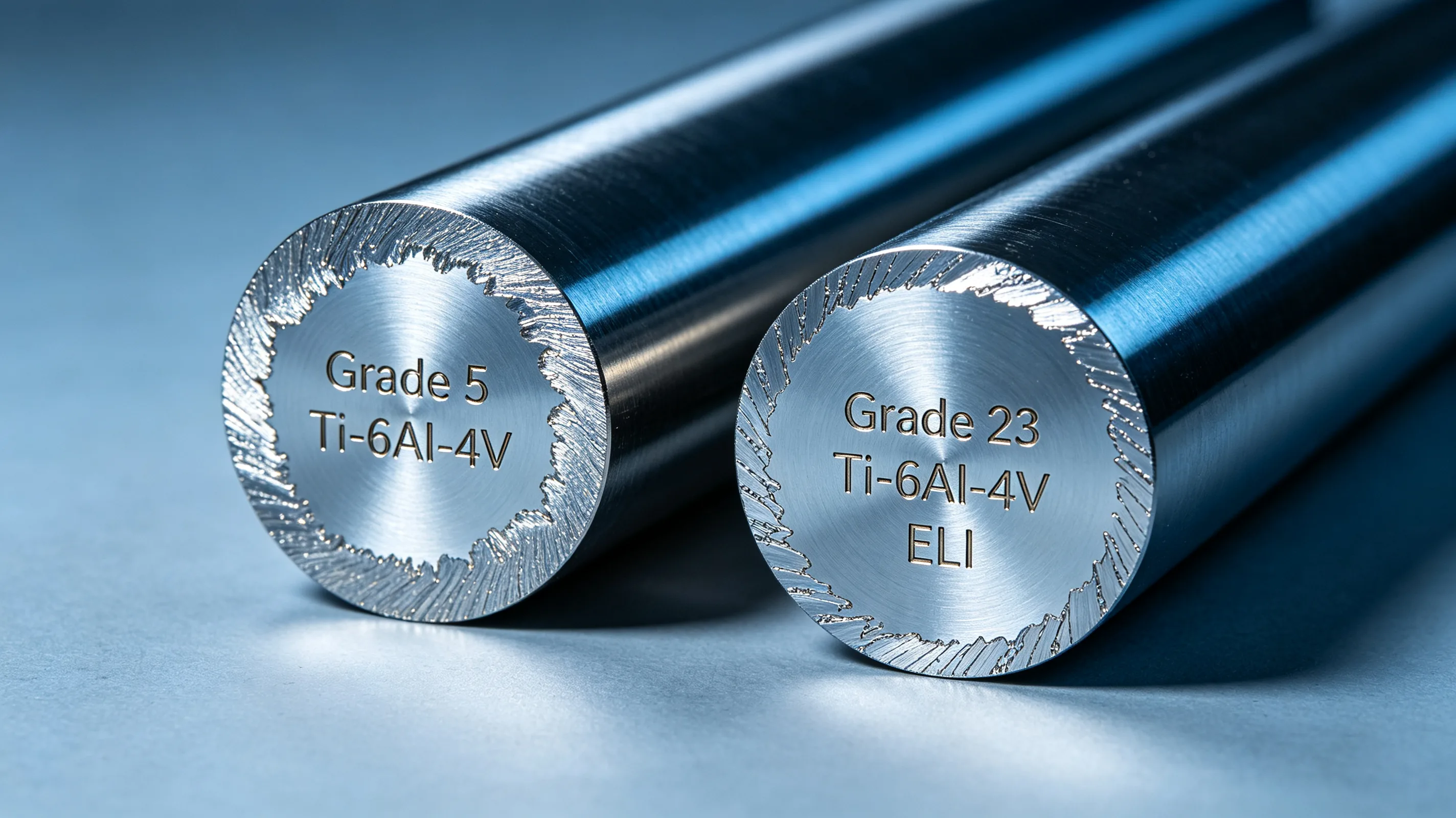
Titanium Grade 23 vs Grade 5: Key Differences, Pros and Cons for Engineers and Procurement
A detailed engineering comparison of Grade 23 (Ti-6Al-4V ELI) and Grade 5 (Ti-6Al-4V) titanium — interstitial chemistry differences, mechanical property trade-offs, fracture toughness and fatigue performance, machinability and cost implications, applicable standards, and selection criteria for medical, aerospace, and cryogenic applications where the choice between ELI and standard-grade Ti-6Al-4V is not obvious.
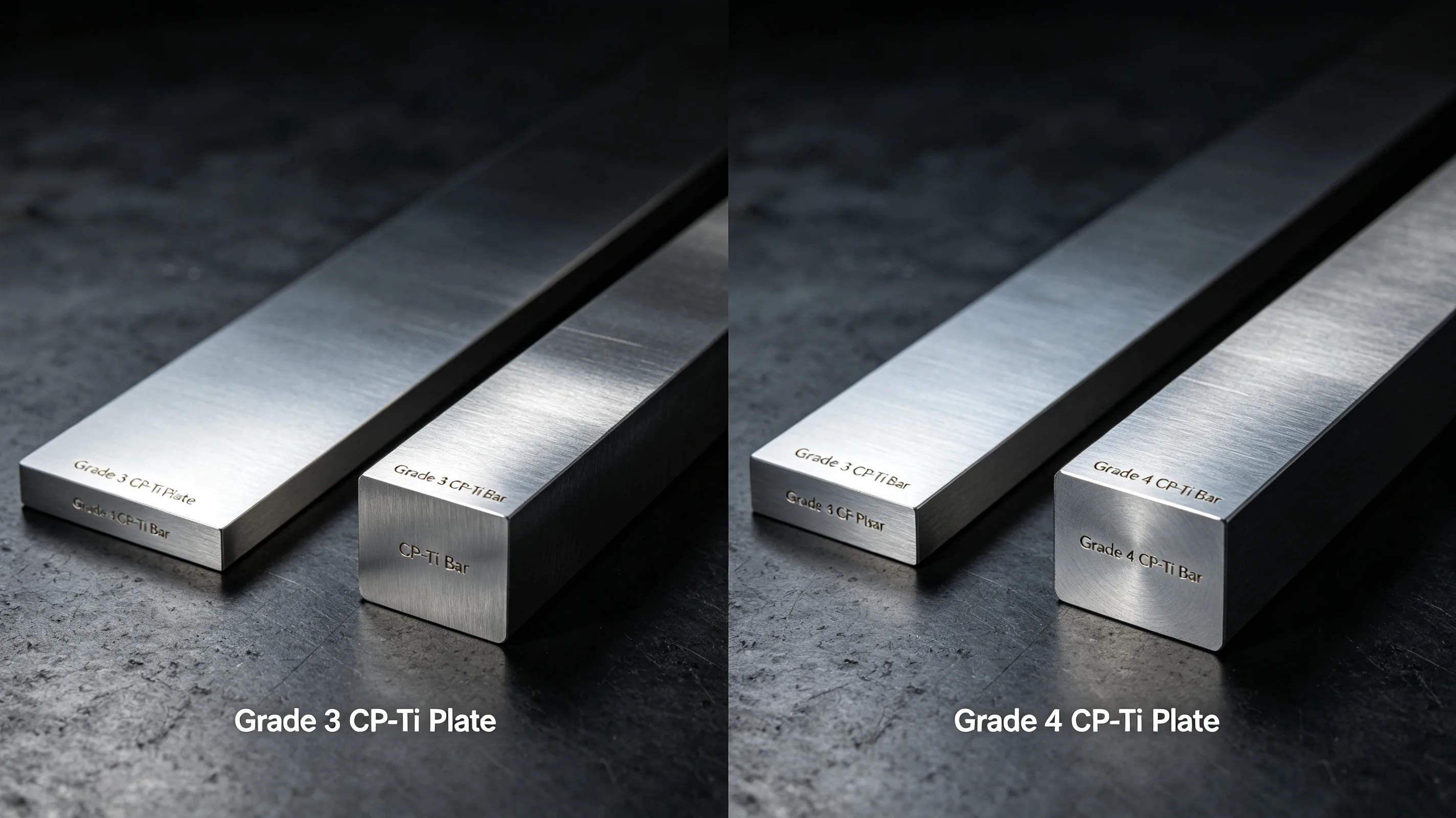
Titanium Grade 3 vs Grade 4: What's the Difference and Which One Should You Specify?
A direct engineering comparison of Grade 3 and Grade 4 commercially pure titanium — tensile strength, ductility, formability, machinability, corrosion resistance, applicable standards, material cost, and procurement lead time differences. Selection criteria for chemical processing, marine, and industrial applications where the choice between these two CP grades is not obvious.
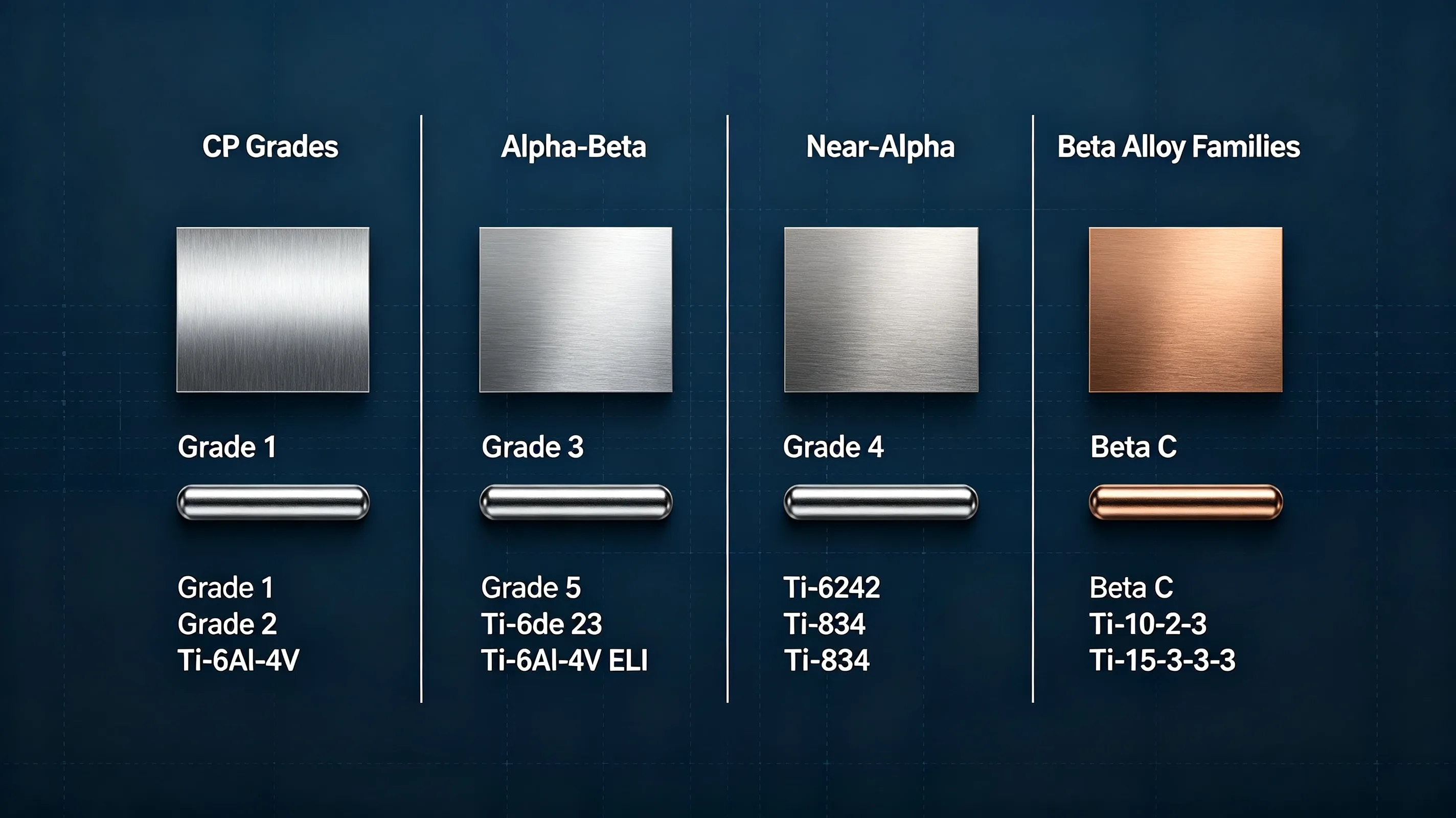
Titanium Grade Chart Explained: How Titanium Grades Are Classified
A systematic explanation of the titanium grade chart — how CP grades (1–4), alpha-beta alloys (Grade 5, Grade 23, Grade 9), near-alpha alloys (Ti-6242), and beta alloys (Ti-1023, Beta-C) are classified by composition, microstructure, mechanical properties, and operating temperature range. Selection logic and procurement implications of each category.
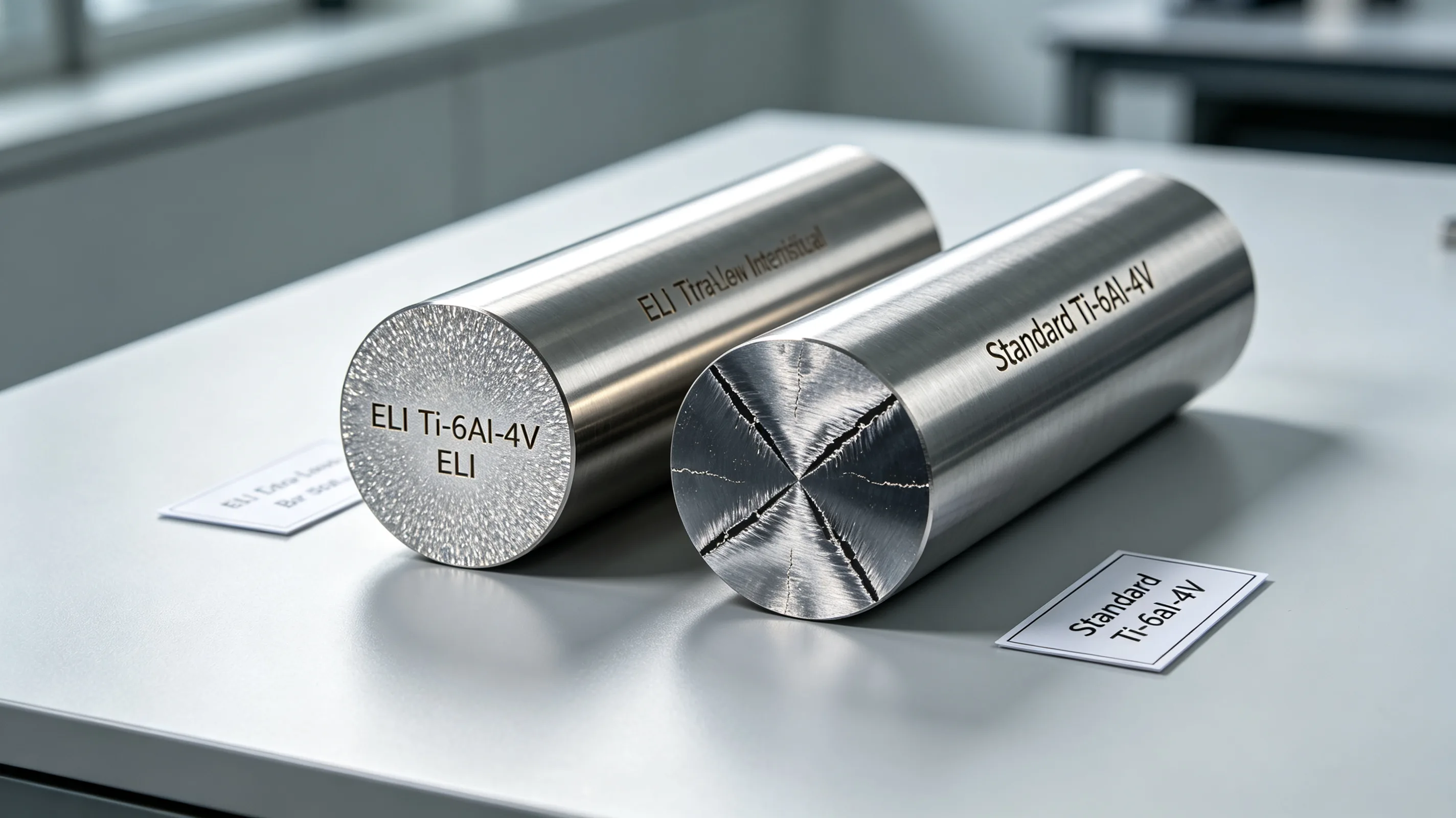
What Does ELI Mean in Titanium? Extra-Low Interstitial Grades Explained
A technical explanation of Extra-Low Interstitial (ELI) titanium — what ELI means, which grades have ELI variants, the effect of reduced interstitial content on mechanical properties, applicable standards for each ELI grade, and procurement guidance for specifying ELI material correctly in medical, cryogenic, and aerospace applications.
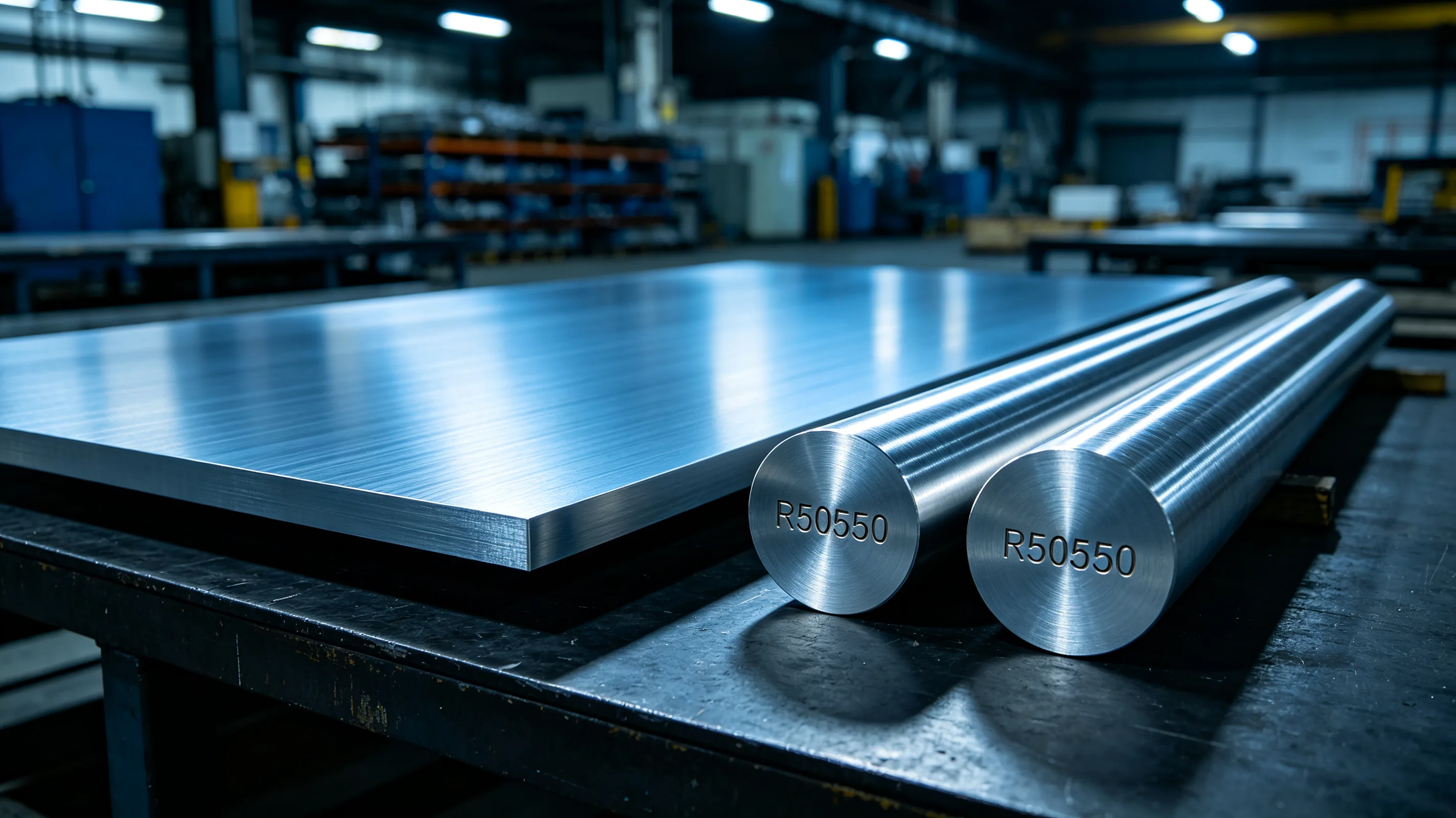
What Is Grade 3 Titanium? Properties, Composition, and Applications
An engineering guide to Grade 3 commercially pure titanium (UNS R50550, CP-Ti Grade 3) — mechanical properties, oxygen-controlled classification, applicable ASTM and AMS standards, machining behavior, procurement considerations, and application-specific selection criteria for chemical processing, marine, and industrial components.
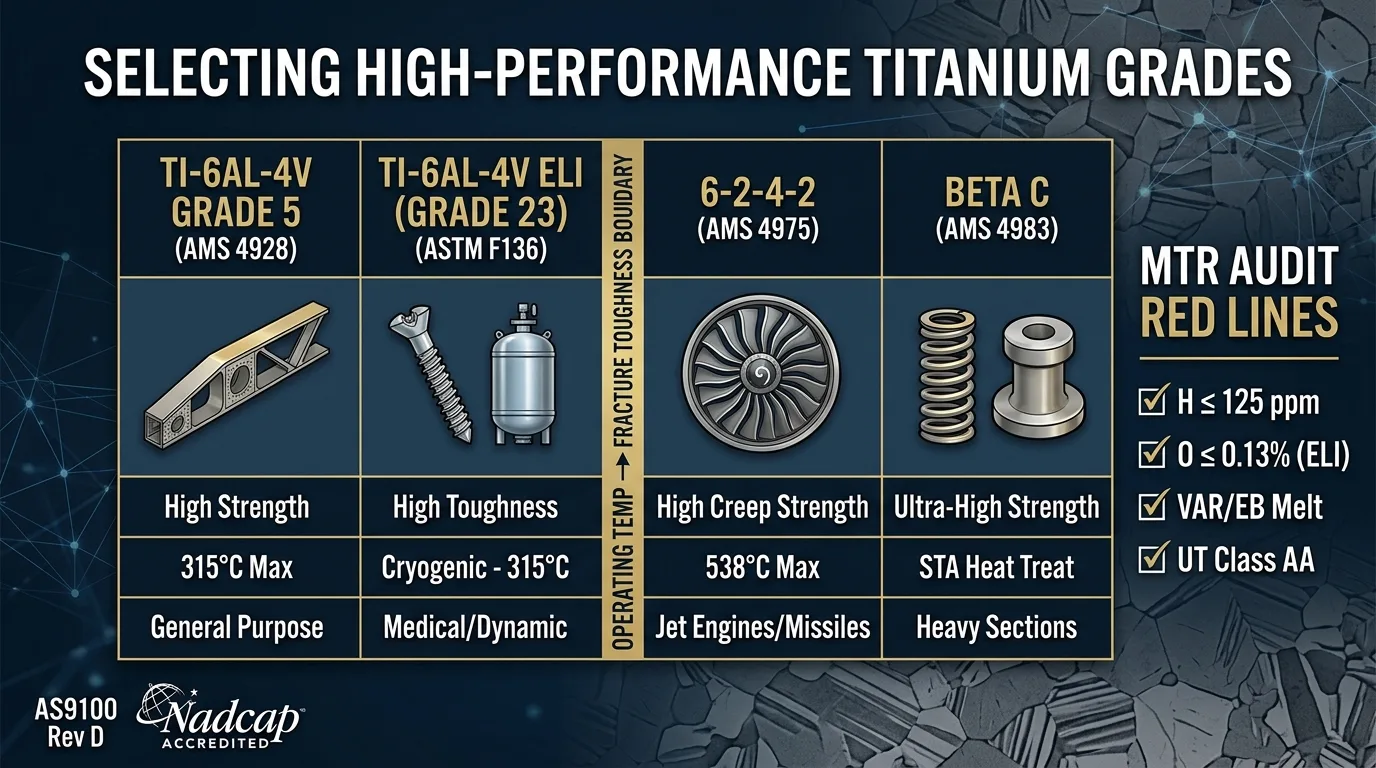
Selecting High-Performance Titanium Grades for Extreme Stress & Thermal Environments — Ti-6Al-4V (Grade 5) vs. Ti-6Al-4V ELI (Grade 23) vs. 6-2-4-2 vs. Beta Alloys
A technical DFM, metallurgical evaluation, and quality assurance guide for aerospace, defense, and high-reliability procurement — comparing Ti-6Al-4V Grade 5, Grade 23 ELI, 6-2-4-2, and Beta alloys for extreme stress and thermal environments.
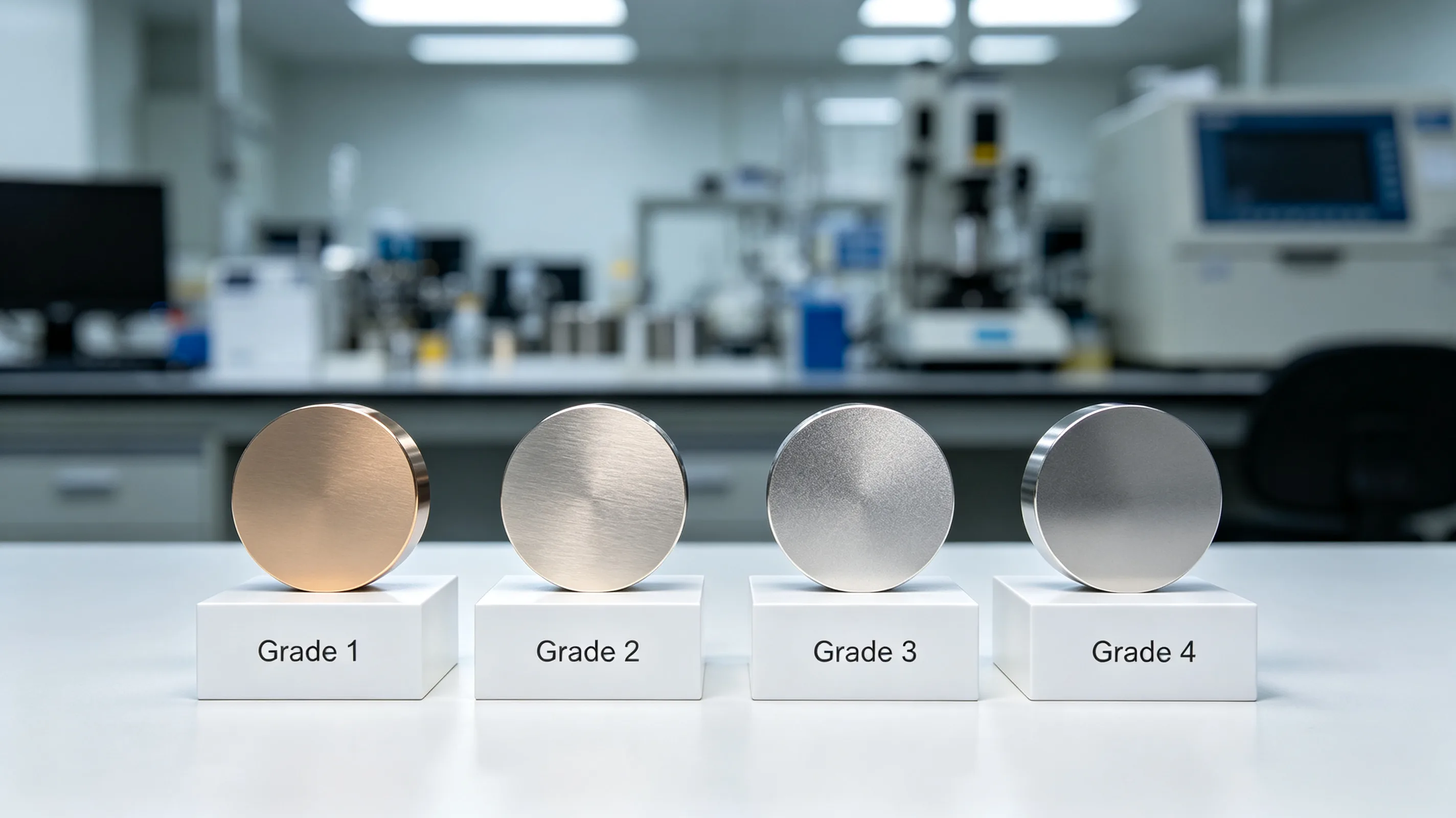
CP Titanium Grades 1-4 Comparison — Selecting Commercially Pure Titanium
A practical comparison of commercially pure titanium grades 1 through 4 — how oxygen content controls strength and ductility, typical applications for each grade, and selection criteria based on formability, corrosion resistance, and cost requirements.
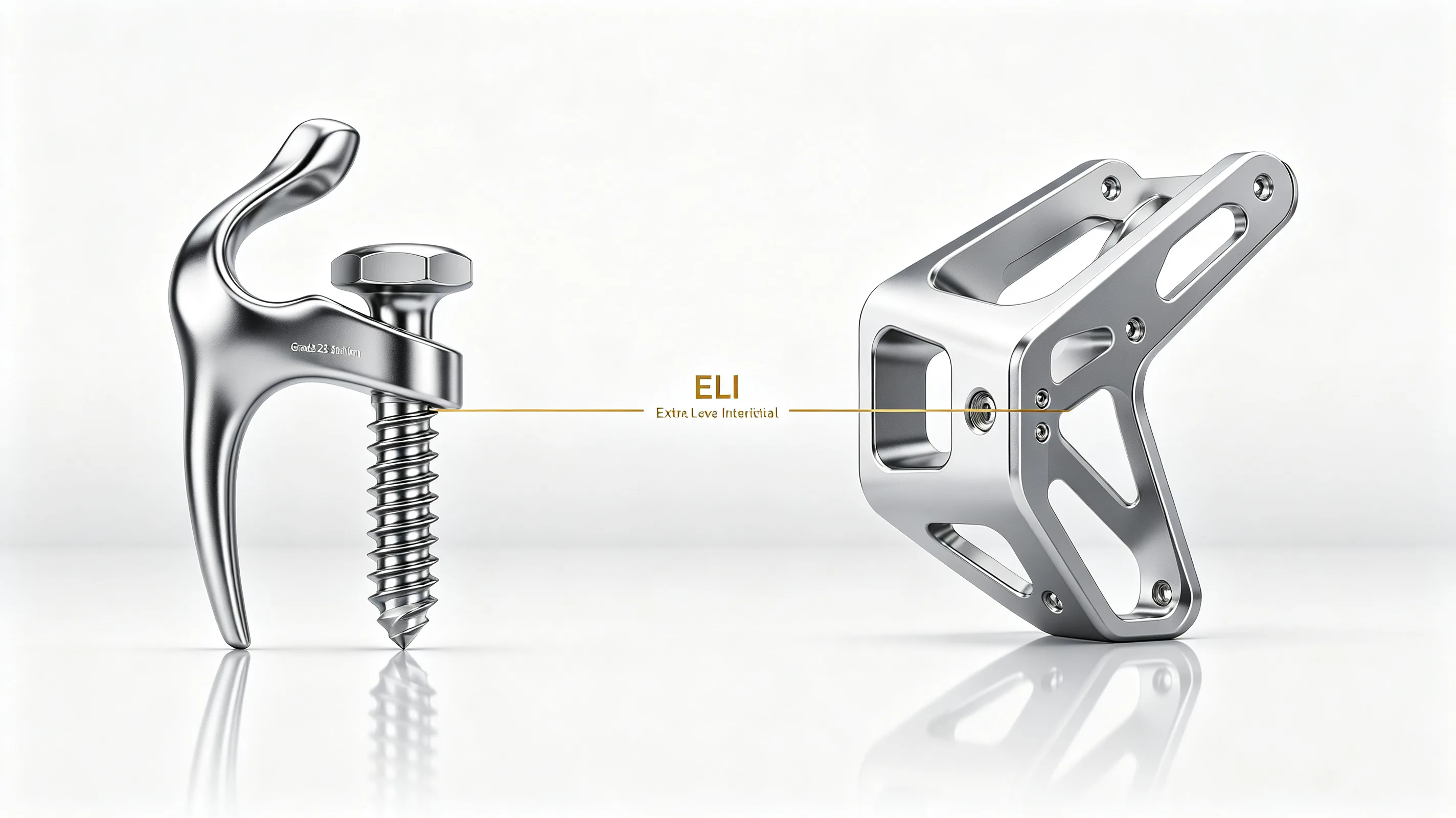
Grade 23 Titanium (Ti-6Al-4V ELI) for Medical Implants and Aerospace Applications
An engineering guide to Grade 23 titanium (Ti-6Al-4V ELI) — the reduced interstitial version of Grade 5 with improved fracture toughness and ductility. Mechanical properties, biocompatibility considerations, machining characteristics, and applications in medical implants and aerospace components.
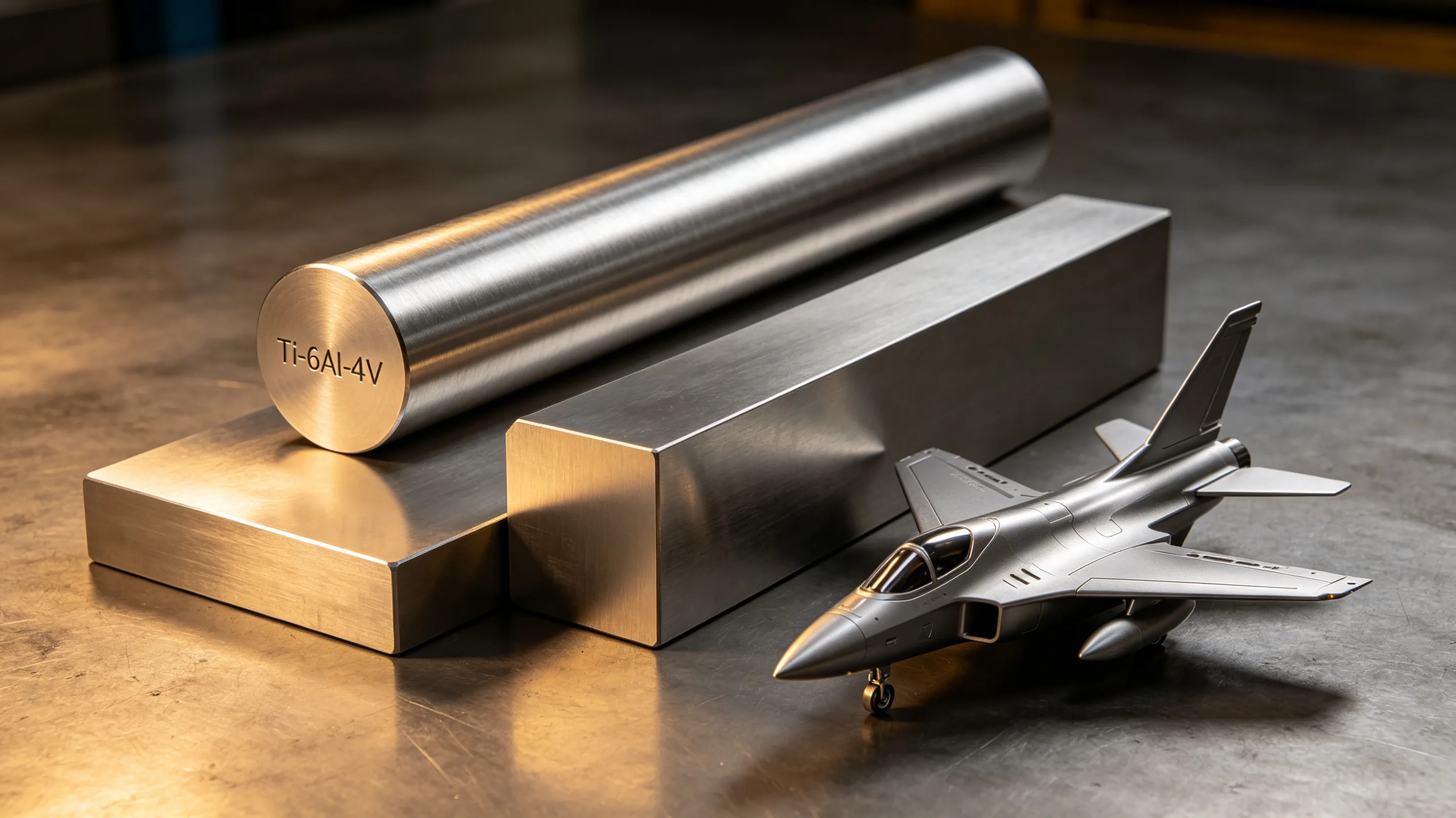
Ti-6Al-4V Grade 5 Titanium — Properties, Machining, and Applications Guide
An engineering guide to Ti-6Al-4V Grade 5 titanium — the most widely used titanium alloy. Mechanical and physical properties, heat treatment responses, machinability characteristics, and application-specific considerations for aerospace, medical, and industrial components.
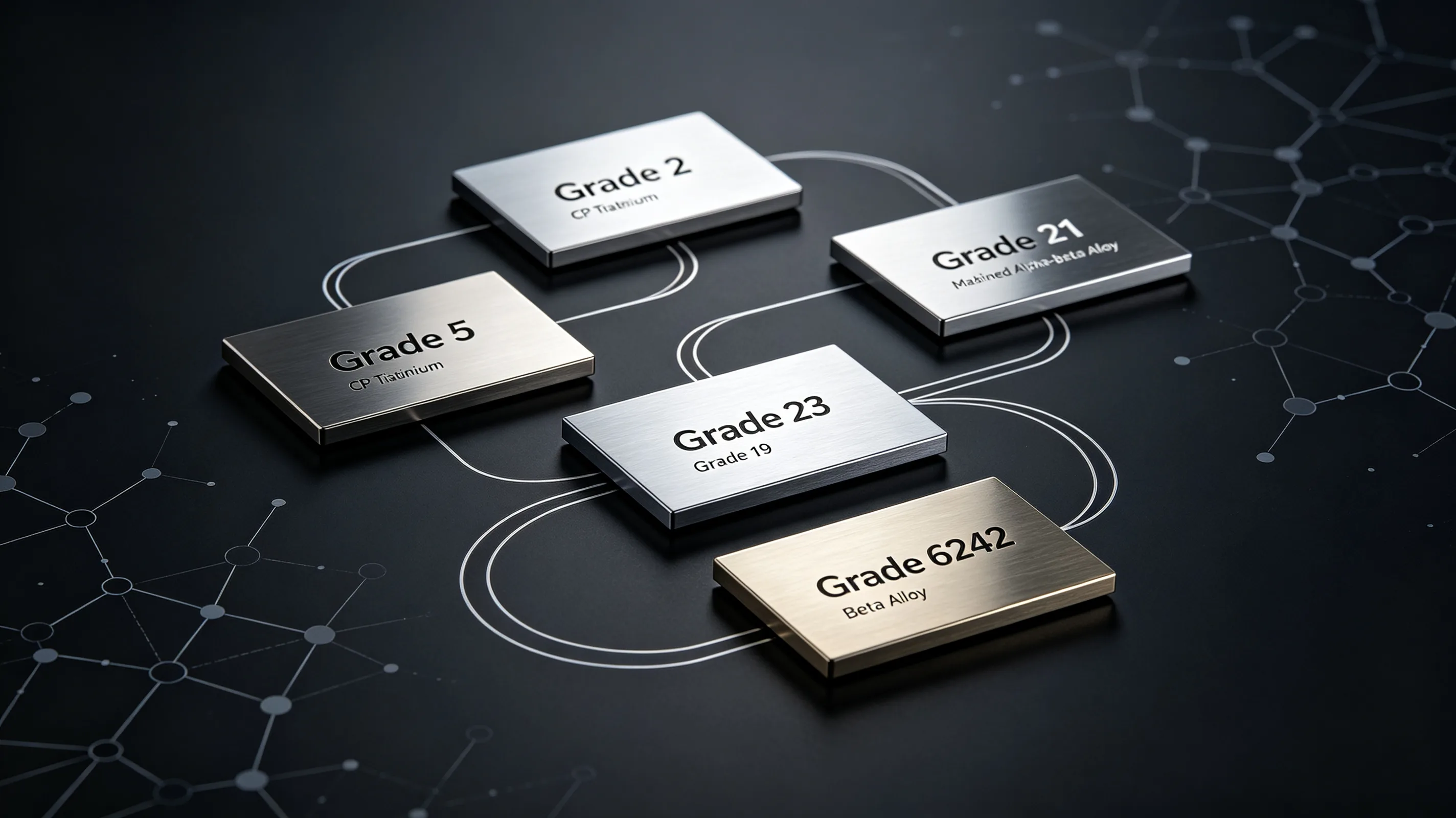
Titanium Alloy Selection Guide — How to Choose the Right Grade for Your Application
An engineering decision guide for titanium alloy selection — a systematic framework for choosing between CP grades, alpha-beta alloys, and beta alloys based on strength requirements, corrosion environment, operating temperature, manufacturing process constraints, and cost considerations.

Titanium Grades Complete Guide — CP, Alpha, Alpha-Beta, and Beta Alloys Explained
A comprehensive engineering guide to titanium alloy classification — commercially pure grades 1-4, alpha and near-alpha alloys, alpha-beta alloys including Ti-6Al-4V, and beta alloys for high-strength applications. Selection criteria based on strength, corrosion resistance, formability, and machinability for aerospace, medical, and industrial applications.
One Metal. One Focus. Infinite Precision.
Founded in 2011 in Baoji's Titanium Valley, BOZE Metal is dedicated exclusively to titanium — from raw material to precision engineering. AS9100D, ISO 13485 & ISO 9001 certified with 500+ clients across Aerospace, Medical & Motorsport industries, we deliver end-to-end precision titanium CNC machining with full material traceability from source to component.
Boze Titanium Manufacturing Center is operated by Baoji Boze Metal Products Co., Ltd.