More Titanium Manufacturing Articles
More titanium manufacturing articles — page 3 of 9. Engineering guides, case studies, procurement guidance, and manufacturing insights from the Boze Titanium Manufacturing Center.
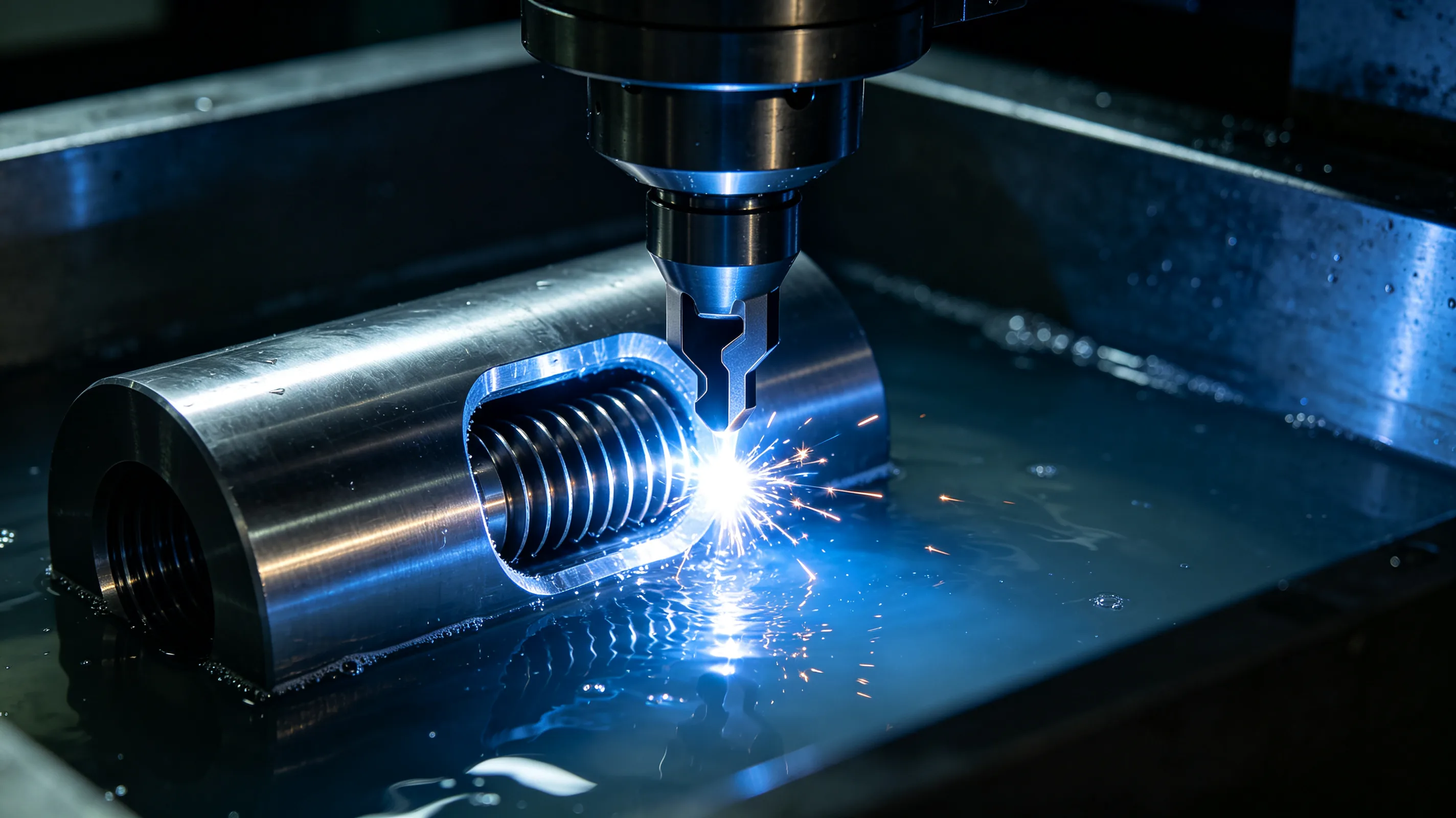
CNC vs EDM for Titanium Parts: Which Process Should You Choose?
An engineering comparison of CNC machining and electrical discharge machining for titanium component production — geometric capabilities, surface integrity, tolerance ranges, cost structures, production quantity effects, and a decision framework for selecting the appropriate process for your part.
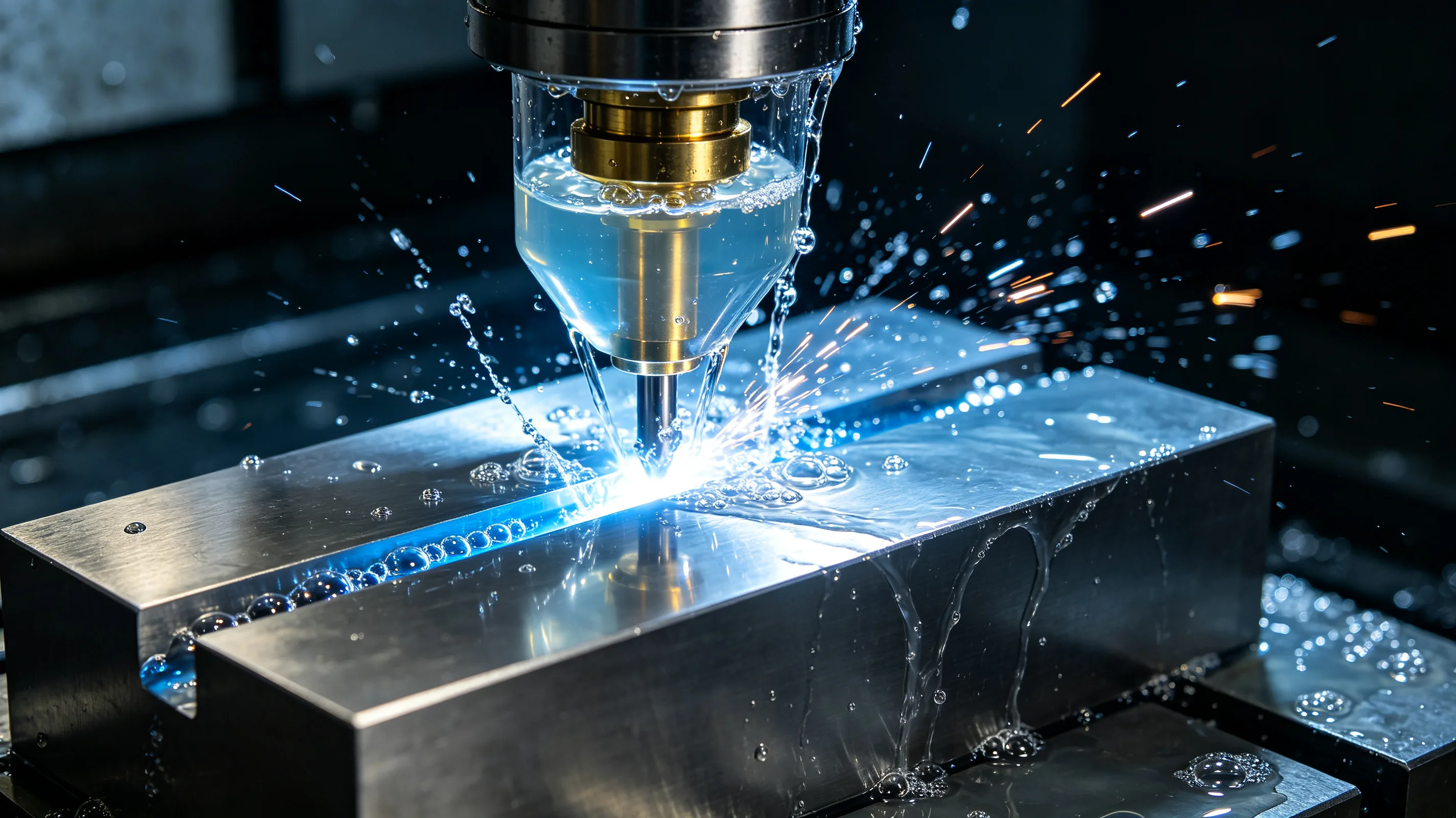
EDM Broaching for Titanium Parts: Complex Internal Profiles and Precision Features
A technical analysis of EDM broaching for titanium components — how the process differs from conventional broaching and standard EDM, the types of internal profiles it can produce, electrode design and wear management, surface integrity considerations, and when EDM broaching is the most practical option for complex internal titanium features.
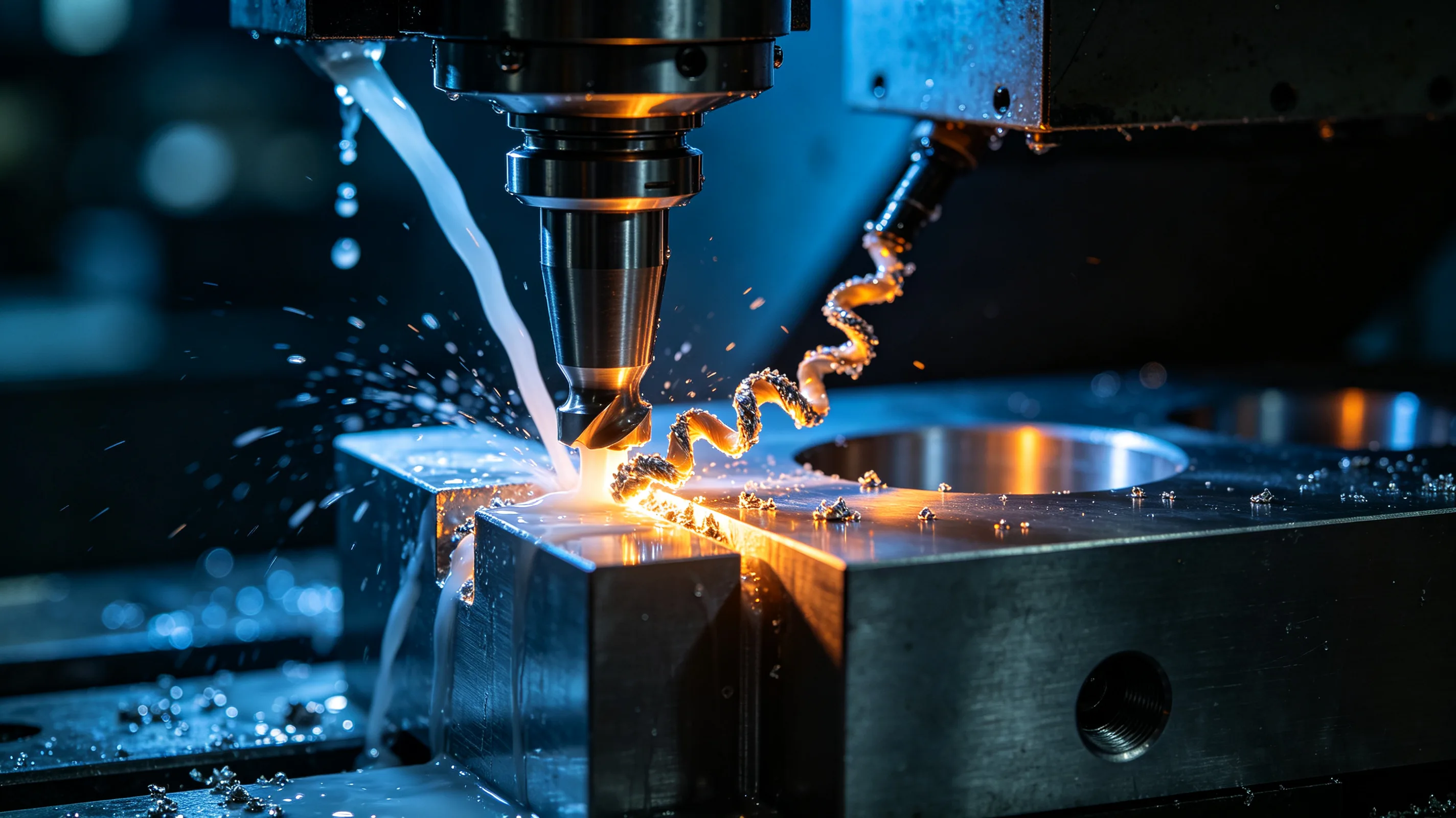
EDM Titanium Machining: When Electrical Discharge Machining Is the Better Choice
An engineering assessment of electrical discharge machining for titanium components — when EDM outperforms conventional cutting, material removal rate limitations, surface integrity considerations, electrode wear management, and practical process selection rules for aerospace and medical applications.
Micro Machining Titanium: EDM, CNC and Precision Manufacturing Methods
An engineering overview of micro machining methods for titanium components — CNC micro milling and micro turning capabilities, micro EDM for high-aspect-ratio features, process selection for micro features, surface integrity at the microscale, and practical limitations of each method for aerospace, medical, and precision industrial applications.
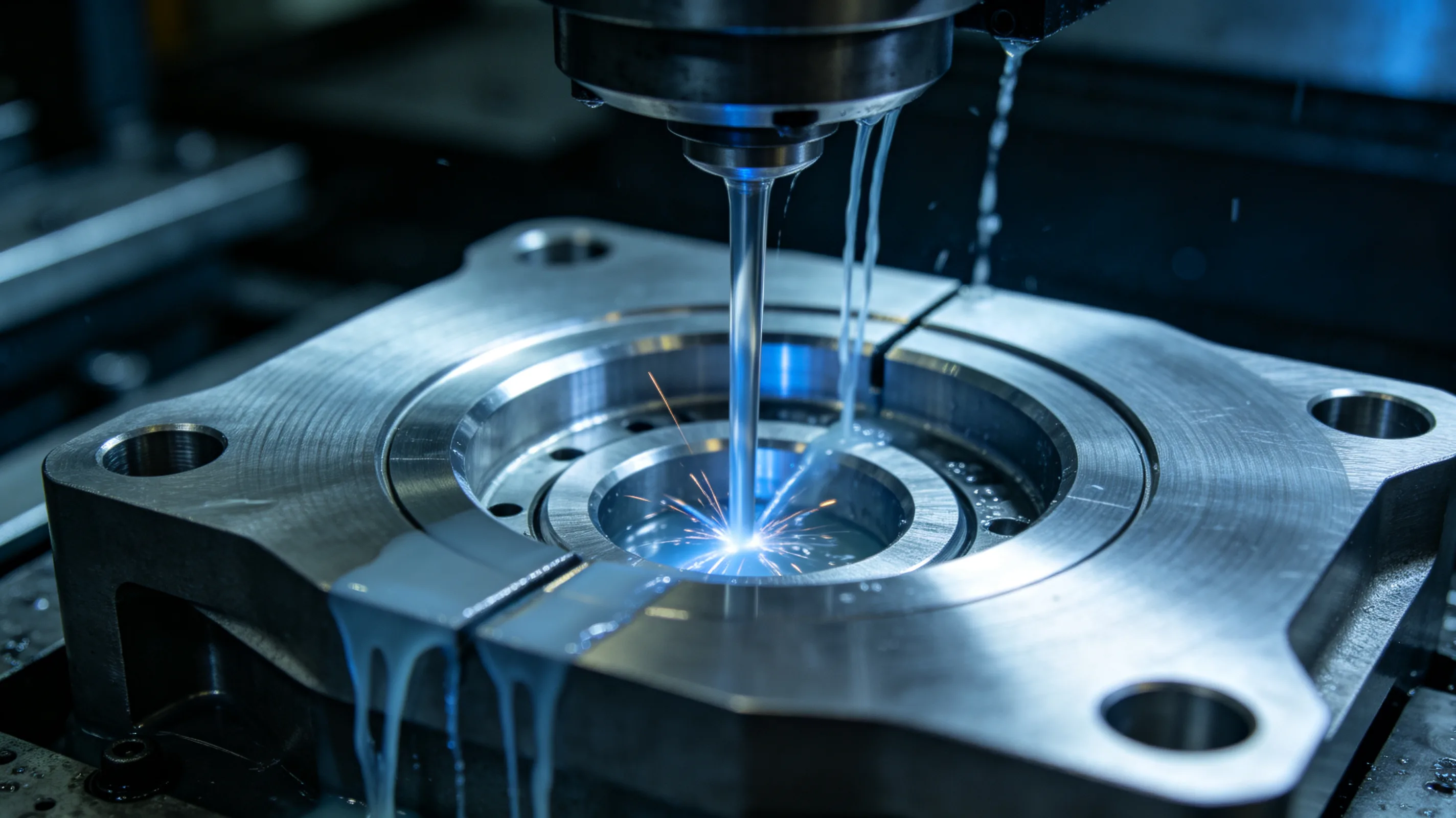
Titanium Wire EDM for Bearing Seats and Precision Features
A technical guide to using wire EDM for precision bearing seats and dimensional features in titanium components — process capability for tight tolerances, surface integrity requirements for bearing interfaces, wire selection and skim cut strategies, and practical considerations for aerospace and medical bearing applications.
AMS 4943 vs AMS 4944: What's the Difference?
A technical comparison of AMS 4943 and AMS 4944 titanium sheet and strip specifications. Covers chemistry, mechanical properties, heat treatment, procurement implications, and when to specify each standard.
ASTM B338 Titanium Tubing Standard Explained
A technical explanation of ASTM B338 — the standard specification for seamless and welded titanium tubing for condensers, heat exchangers, and process equipment. Covers grades, wall thickness, testing, and procurement rules.
ASTM B348 Explained: Titanium and Titanium Alloy Bars and Billets
A technical explanation of ASTM B348 — the standard specification for titanium and titanium alloy bars and billets. Covers grade scope, mechanical property requirements, testing and certification, procurement rules, and when to specify ASTM B348 over ASTM B265 or AMS specifications.
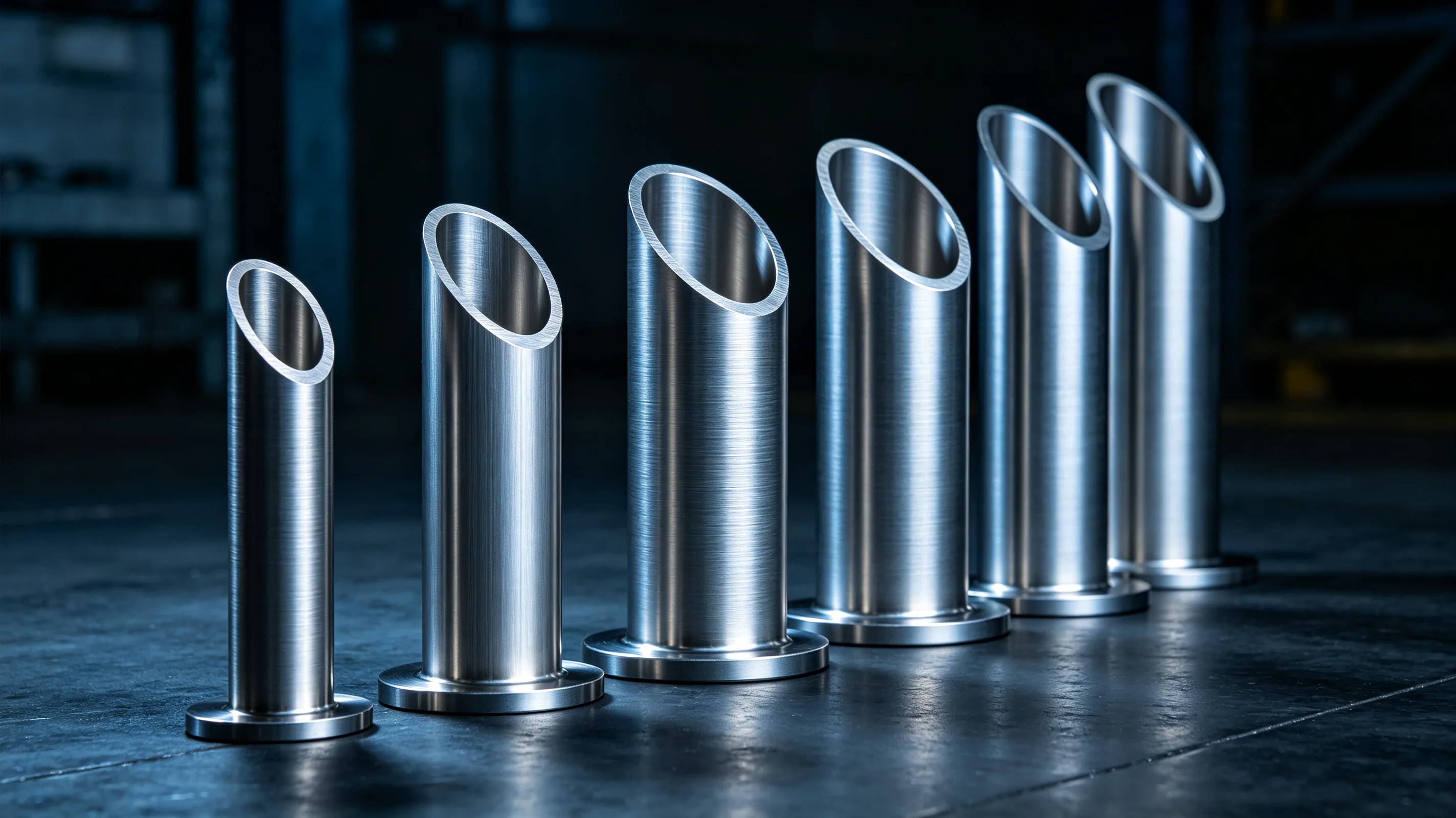
ASTM B381 Explained: Titanium and Titanium Alloy Forgings
A technical explanation of ASTM B381 — the standard specification for titanium and titanium alloy forgings. Covers forging classes, mechanical properties, heat treatment, inspection requirements, and procurement guidance for aerospace and industrial applications.
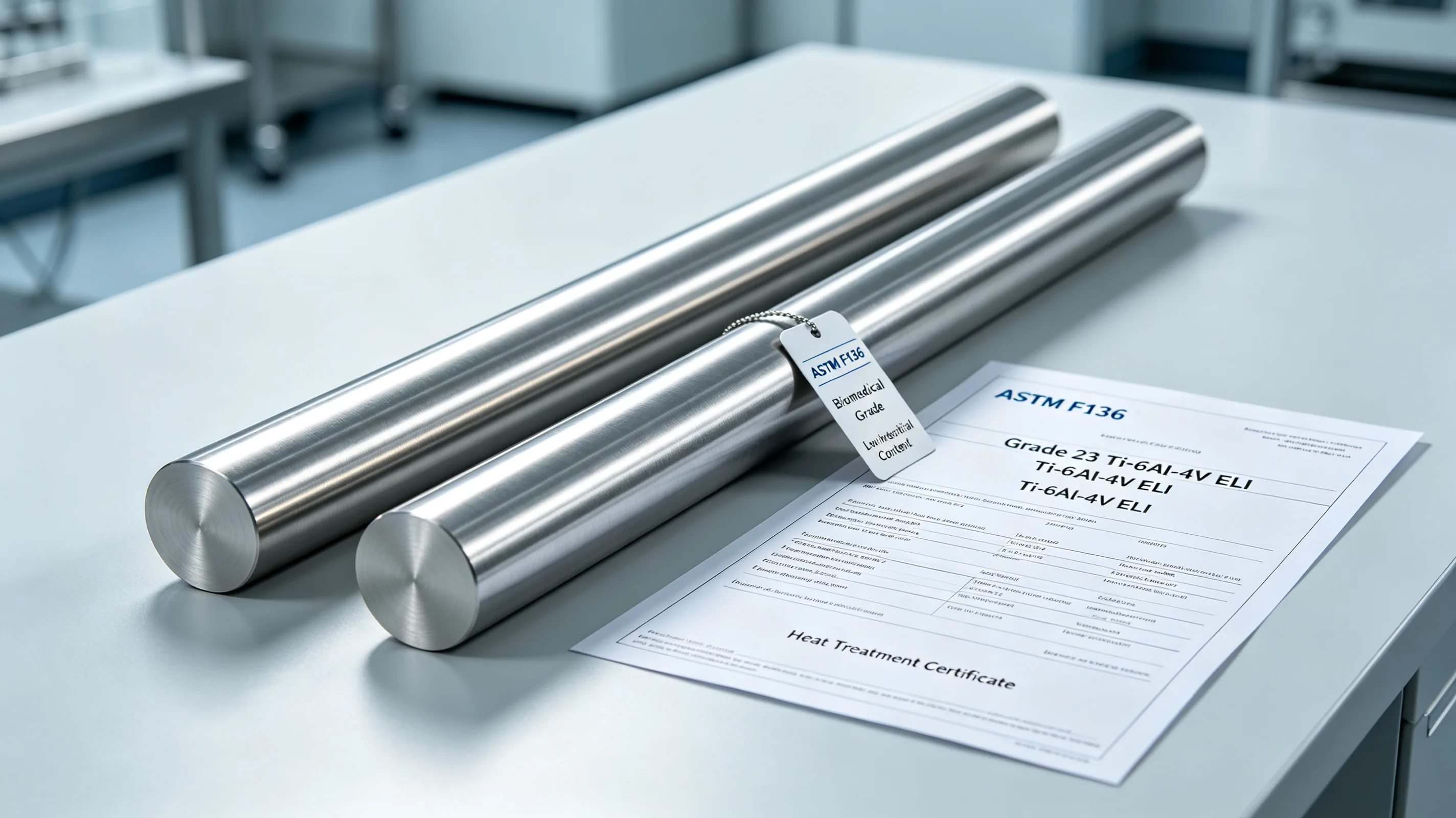
ASTM B861 Explained: Titanium and Titanium Alloy Seamless Pipe
A technical explanation of ASTM B861 — the standard specification for seamless titanium and titanium alloy pipe. Covers size ranges, schedules, grades, testing, and procurement rules for pressure piping systems.
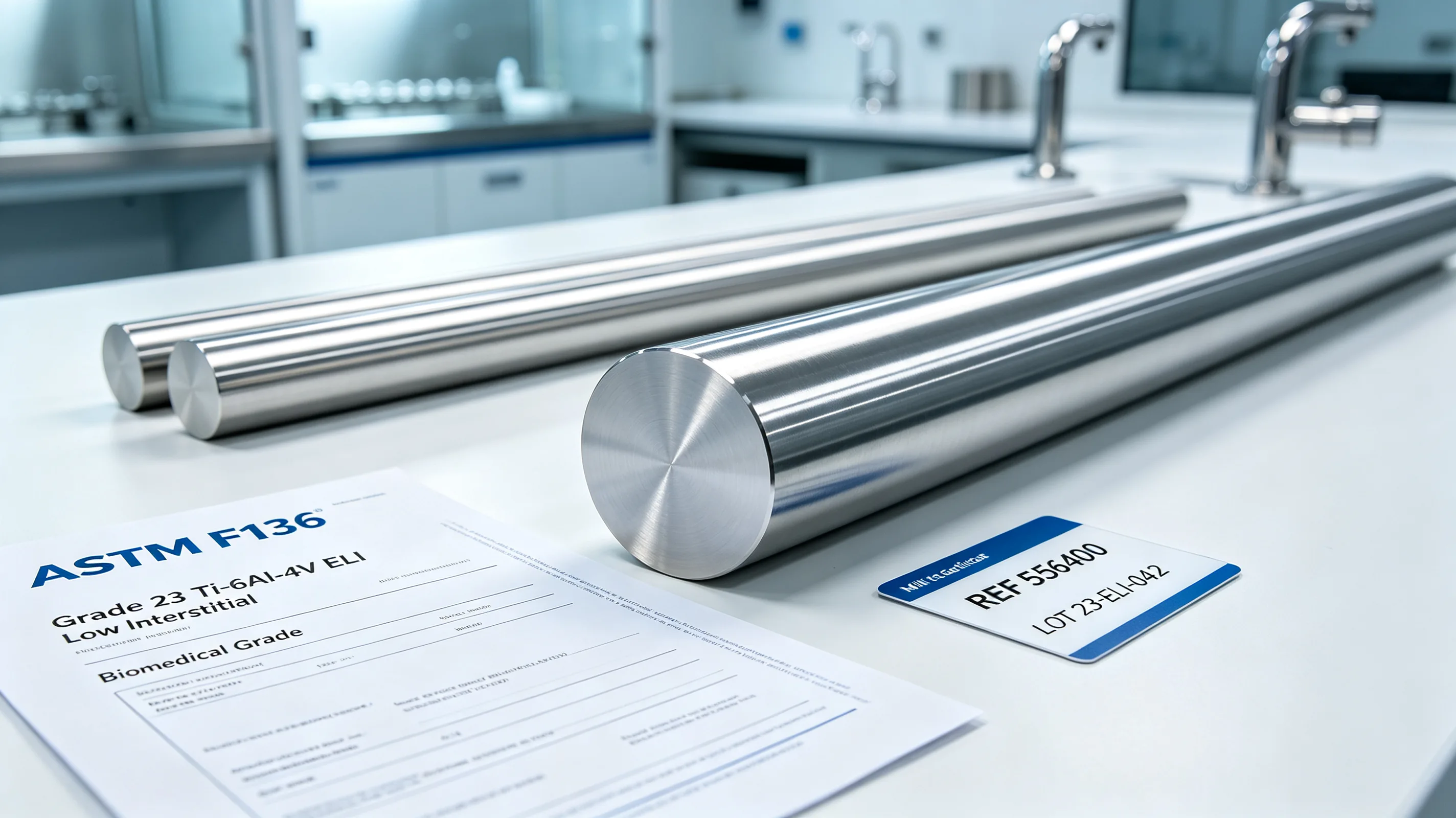
ASTM F136 Explained: Ti-6Al-4V ELI Standard for Surgical Implants
A technical guide to ASTM F136 — the governing standard for Ti-6Al-4V ELI wrought titanium for surgical implant applications. Chemical composition limits, mechanical property requirements, microstructure specifications, certification and traceability requirements, and practical procurement implications for medical device manufacturers.
ASTM F86 Passivation: Surface Treatment Requirements for Titanium
A technical explanation of ASTM F86 passivation for titanium and titanium alloy implant and industrial components. Covers surface preparation, passivation chemistry, testing, common pitfalls, and procurement guidance.
One Metal. One Focus. Infinite Precision.
Founded in 2011 in Baoji's Titanium Valley, BOZE Metal is dedicated exclusively to titanium — from raw material to precision engineering. AS9100D, ISO 13485 & ISO 9001 certified with 500+ clients across Aerospace, Medical & Motorsport industries, we deliver end-to-end precision titanium CNC machining with full material traceability from source to component.
Boze Titanium Manufacturing Center is operated by Baoji Boze Metal Products Co., Ltd.