More Titanium Manufacturing Articles
More titanium manufacturing articles — page 7 of 9. Engineering guides, case studies, procurement guidance, and manufacturing insights from the Boze Titanium Manufacturing Center.
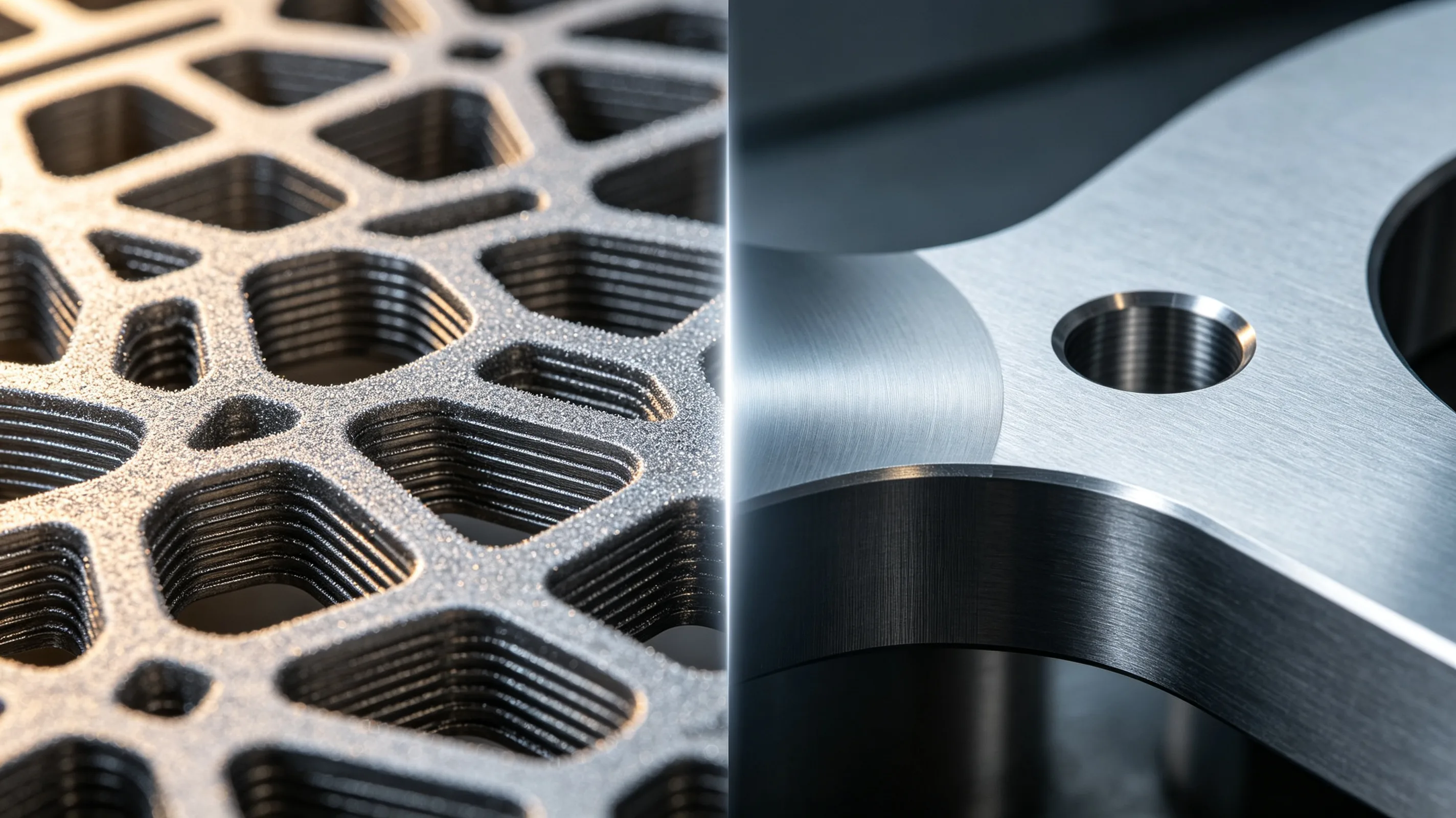
Titanium Additive Manufacturing vs CNC Machining — Process Selection for Production Components
An engineering comparison of additive manufacturing and CNC machining for titanium components — geometric capability differences, material property comparisons between as-built and wrought material, surface finish and tolerance capability, cost drivers for each process, and hybrid approaches combining both technologies.
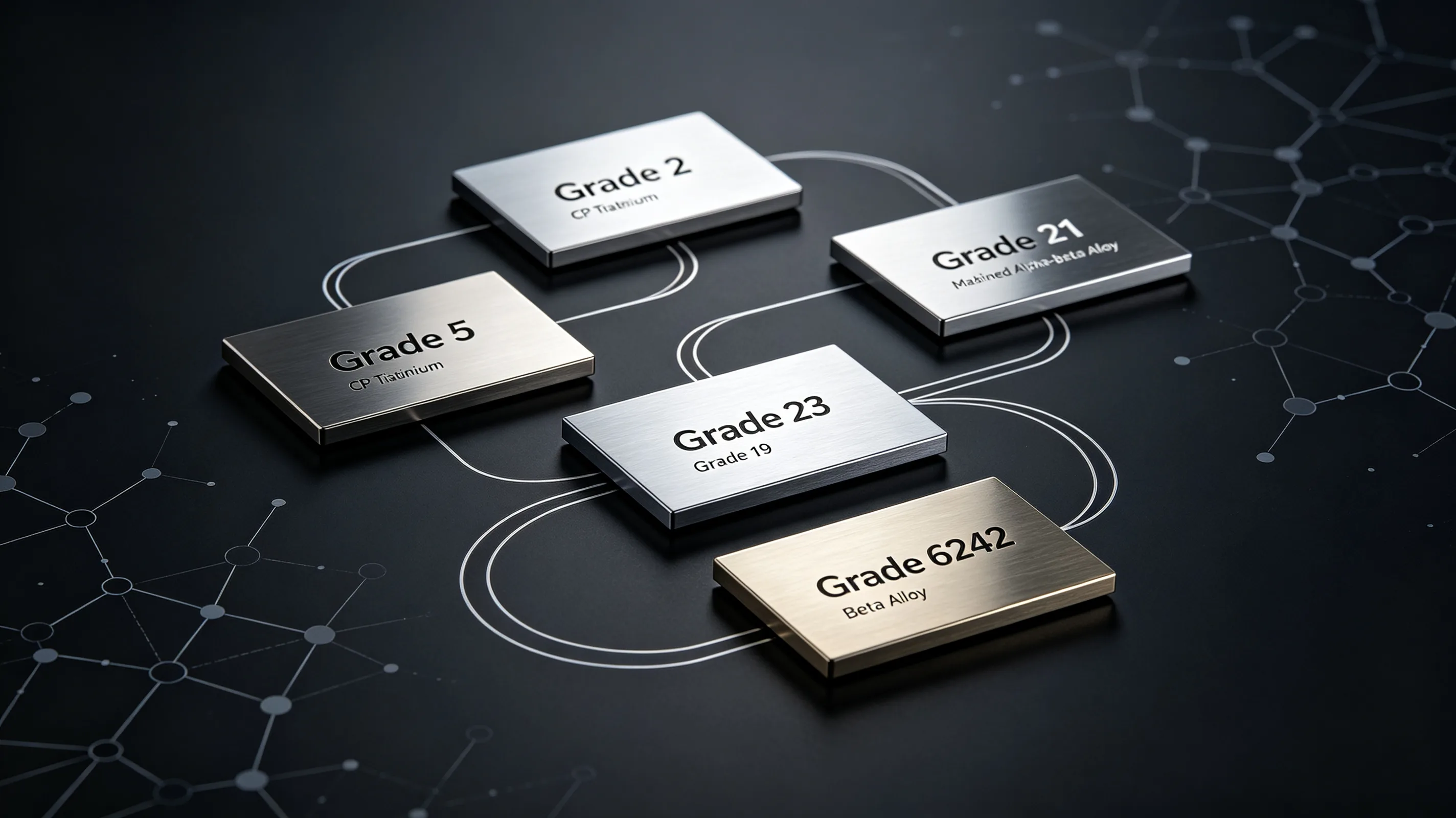
Titanium Alloy Selection Guide — How to Choose the Right Grade for Your Application
An engineering decision guide for titanium alloy selection — a systematic framework for choosing between CP grades, alpha-beta alloys, and beta alloys based on strength requirements, corrosion environment, operating temperature, manufacturing process constraints, and cost considerations.
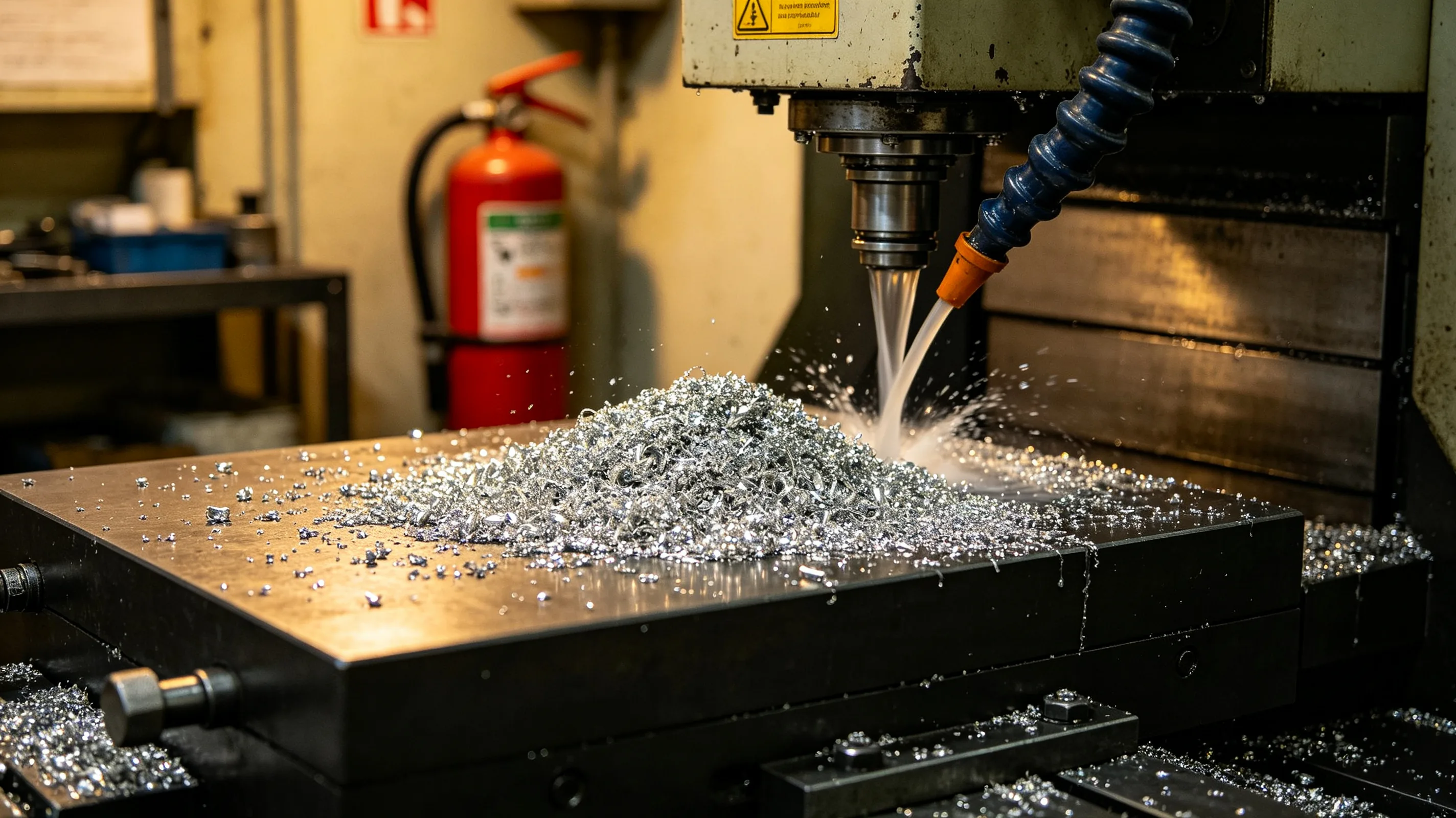
Titanium Chip Control and Fire Prevention in CNC Machining
An engineering analysis of titanium chip management and fire risk — why titanium chips are uniquely flammable, the conditions that lead to chip fires, chip formation and evacuation strategies for drilling and milling, and coolant system requirements that prevent ignition events.
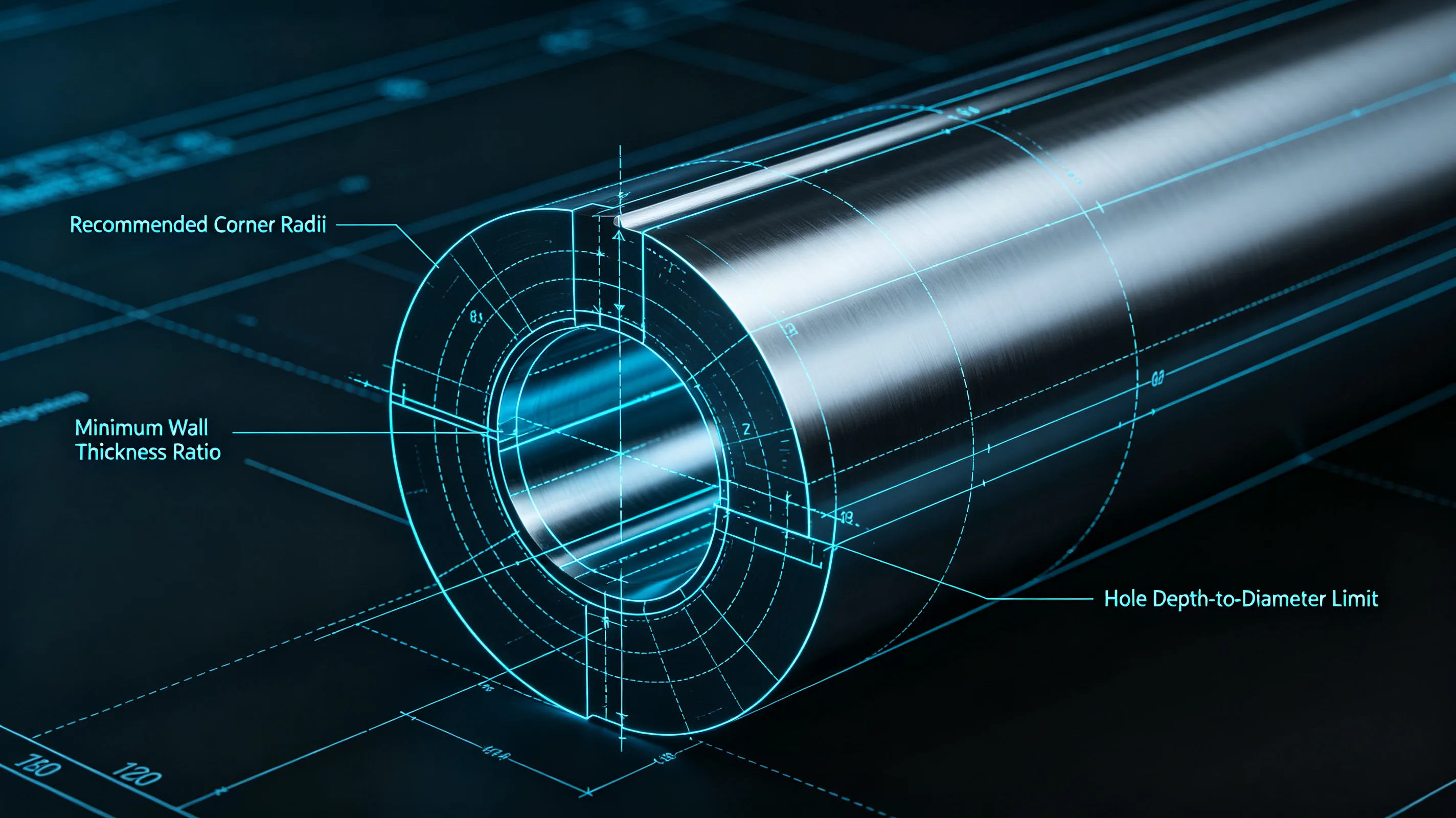
Titanium CNC Design Guide — Engineering Rules for Machinability and Precision
An engineering design guide for titanium CNC machined components — wall thickness guidelines, minimum radii, pocket depth limits, tool accessibility considerations, tolerance capability by feature type, and design-for-manufacturability rules specific to titanium alloys.
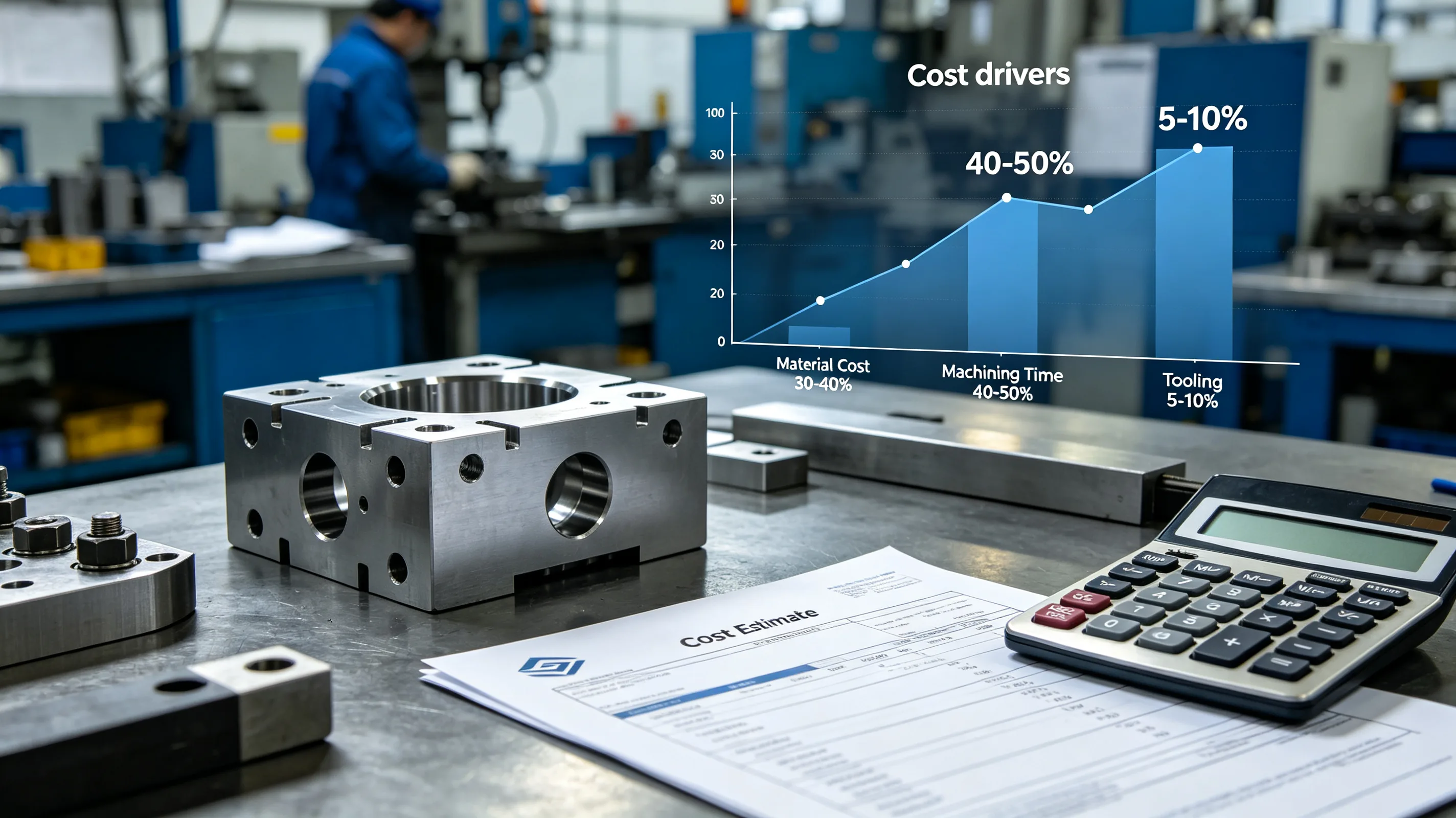
Titanium CNC Machining Cost Factors — What Drives Pricing for Precision Components
An engineering assessment of cost drivers for titanium CNC machining — material cost and availability by grade, machining time and tooling cost factors, the effect of tolerance and geometry complexity on pricing, and practical cost reduction strategies for component design and procurement.
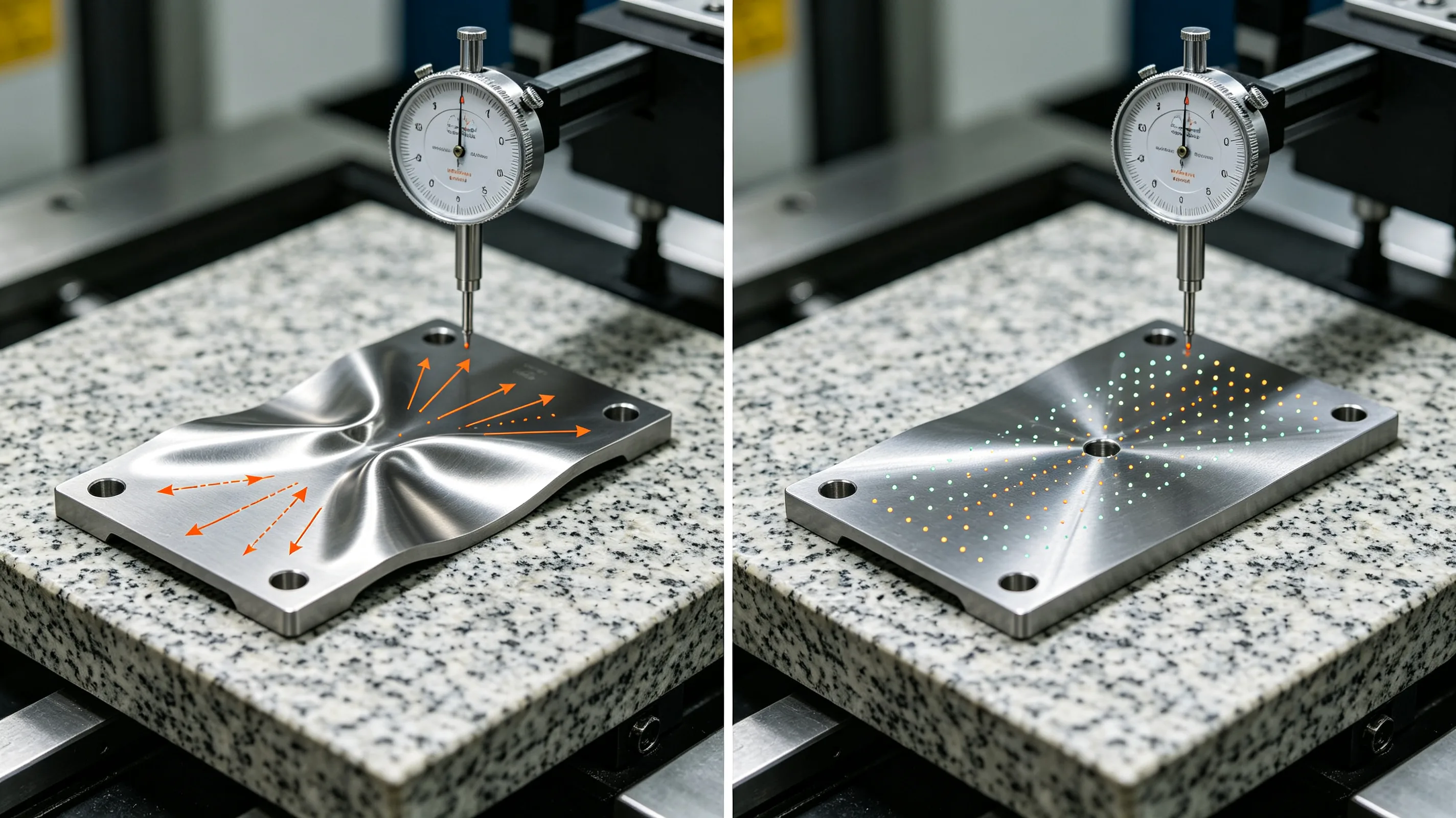
Titanium CNC Machining Deformation: Causes and Prevention
An engineering analysis of why titanium parts deform during CNC machining — thermal expansion from low thermal diffusivity, mechanical springback from low elastic modulus, residual stress redistribution in thin-wall features, and fixturing and toolpath strategies that maintain dimensional stability.

Titanium CNC Machining RFQ Checklist — What to Include in Your Request for Quote
A practical checklist for preparing RFQ packages for titanium CNC machined components — the information suppliers need to provide accurate quotes, common RFQ omissions that lead to pricing variations, and how complete specifications improve quote comparison and reduce post-award changes.
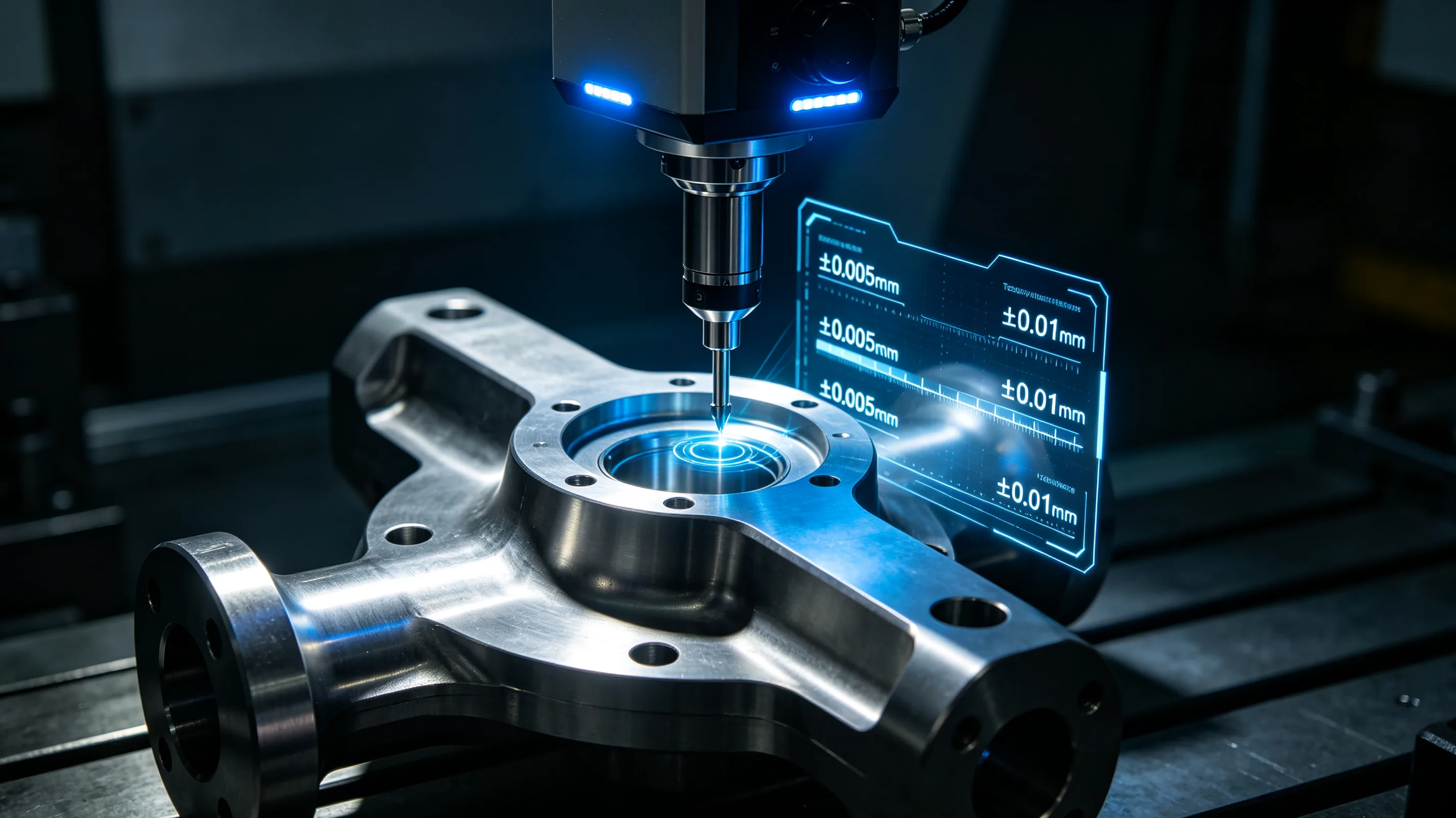
Titanium CNC Tolerance Guide — Engineering Specifications for Precision Components
An engineering guide to dimensional tolerances for titanium CNC machining — achievable tolerance ranges by feature type, the effect of material condition and thermal stability on tolerance capability, and practical guidelines for specifying tolerances on titanium components for aerospace, medical, and industrial applications.
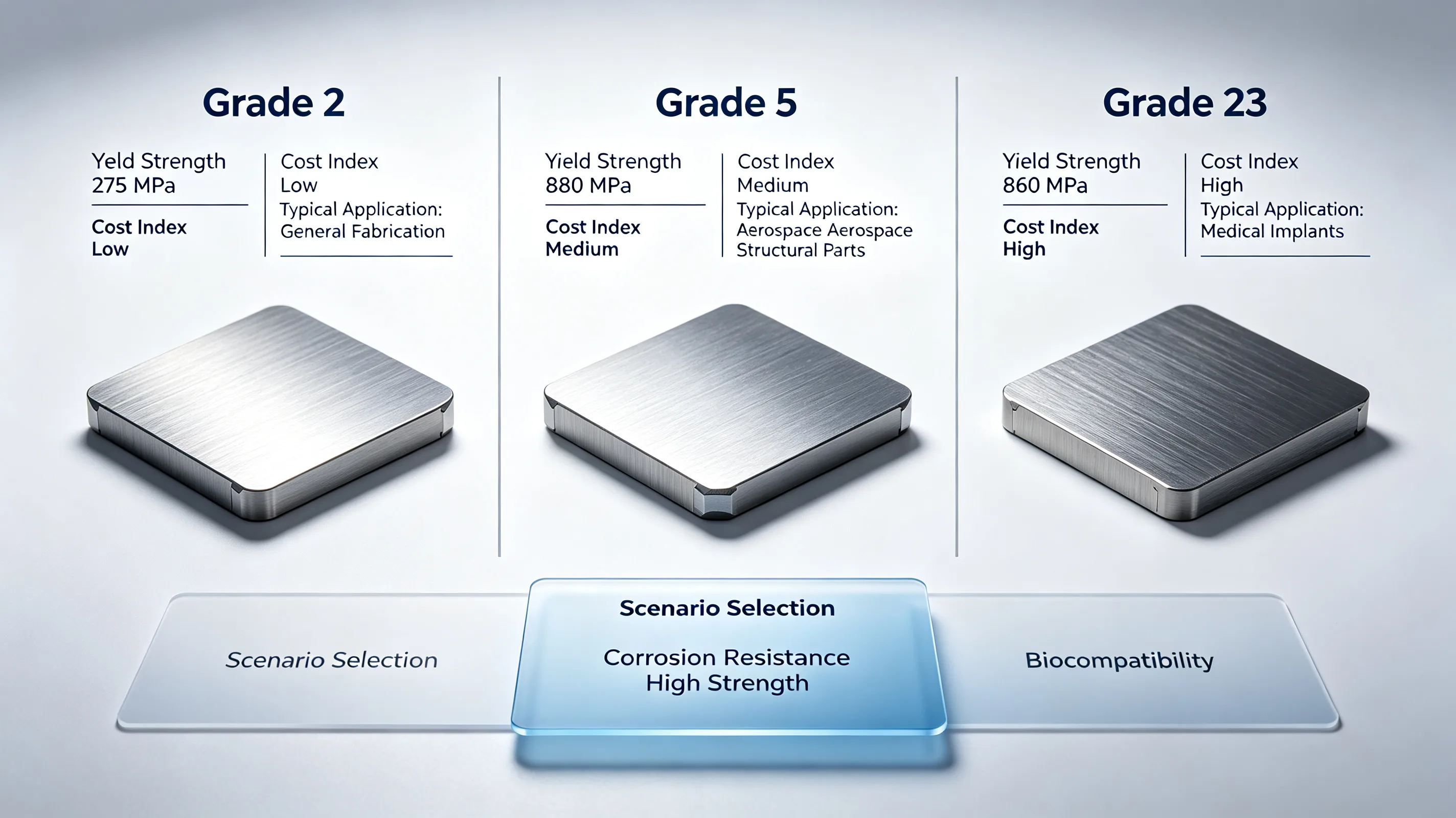
Grade 2 vs Grade 5 vs Grade 23 Titanium — A Procurement Decision Guide for Buyers and Engineers
A procurement-focused comparison of Grade 2, Grade 5, and Grade 23 titanium — cost differences, lead time variations, supplier capability requirements, and a decision matrix to determine which grade delivers the best value for your specific application requirements.
Titanium Grades Complete Guide — CP, Alpha, Alpha-Beta, and Beta Alloys Explained
A comprehensive engineering guide to titanium alloy classification — commercially pure grades 1-4, alpha and near-alpha alloys, alpha-beta alloys including Ti-6Al-4V, and beta alloys for high-strength applications. Selection criteria based on strength, corrosion resistance, formability, and machinability for aerospace, medical, and industrial applications.
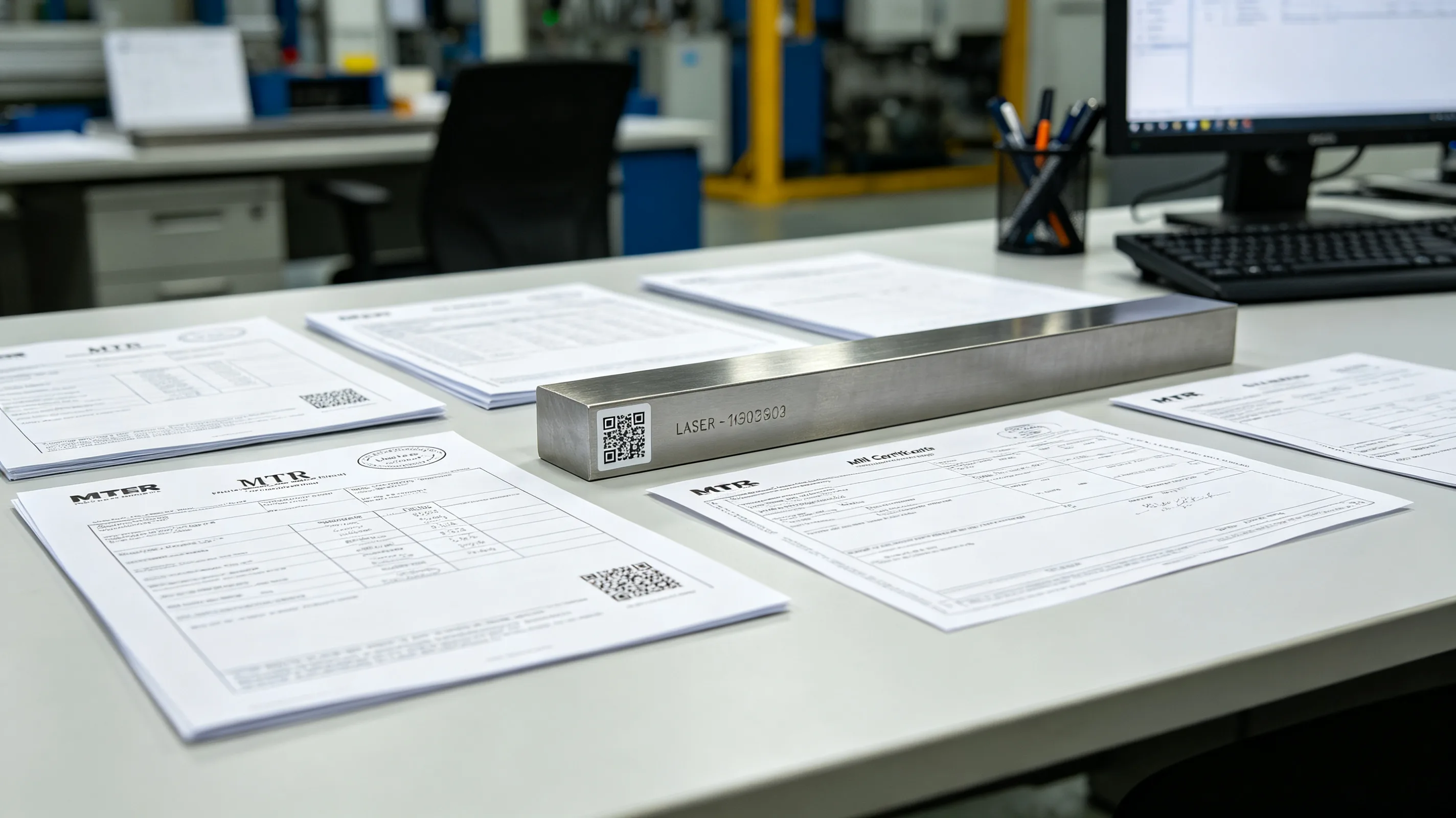
Titanium Material Certification and Traceability Guide for Aerospace Components
An engineering guide to titanium material certification and traceability for aerospace manufacturing — mill test report requirements, heat number traceability systems, EN 10204 certification types, and practical considerations for maintaining traceability through machining and inspection operations.
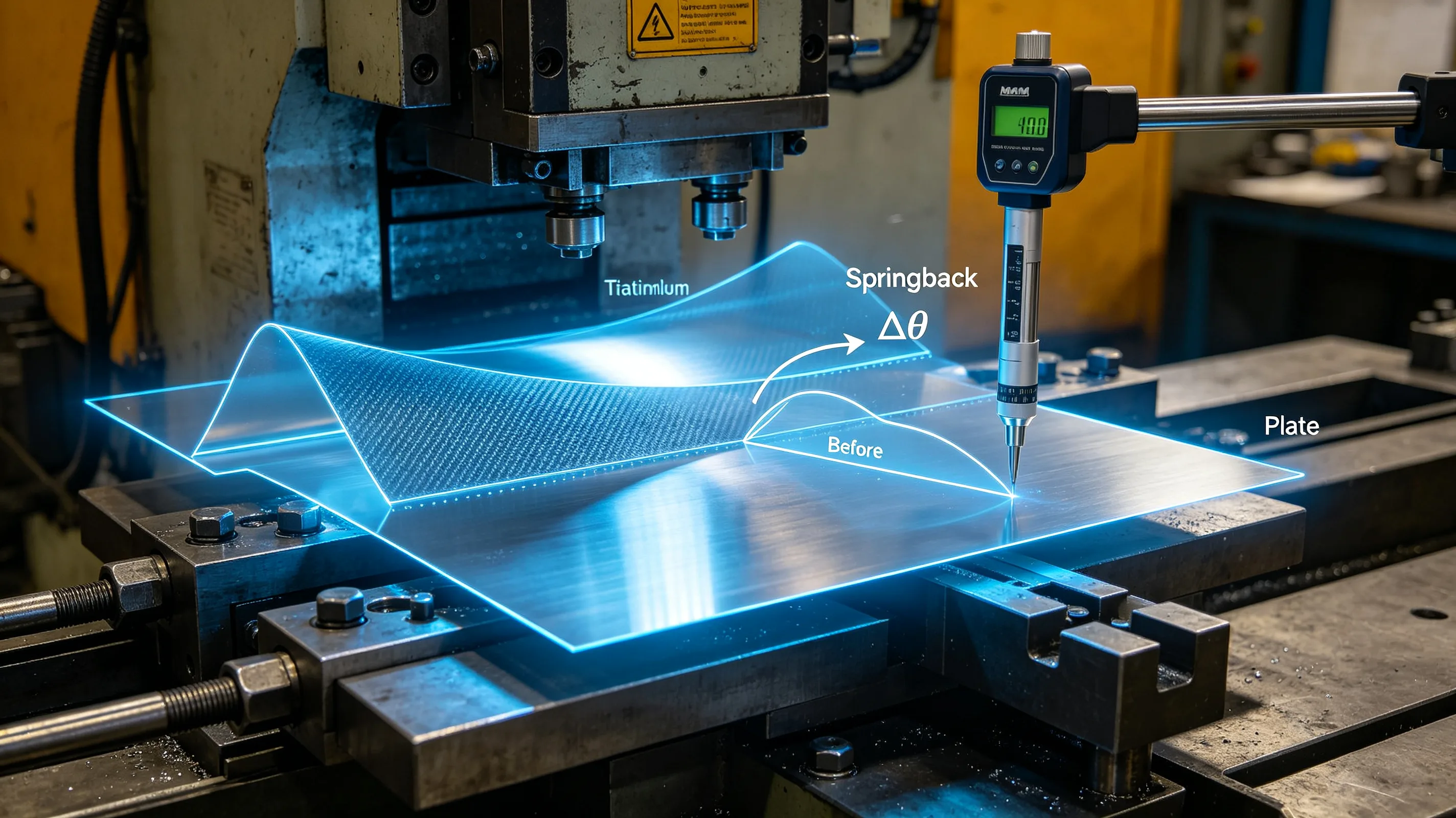
Titanium Springback Compensation Strategies in CNC Machining
An engineering analysis of elastic springback in titanium machining — why the low modulus of elasticity causes dimensional deviation in thin-wall and precision features, compensation methods in CAM programming, and toolpath strategies that account for elastic recovery.
One Metal. One Focus. Infinite Precision.
Founded in 2011 in Baoji's Titanium Valley, BOZE Metal is dedicated exclusively to titanium — from raw material to precision engineering. AS9100D, ISO 13485 & ISO 9001 certified with 500+ clients across Aerospace, Medical & Motorsport industries, we deliver end-to-end precision titanium CNC machining with full material traceability from source to component.
Boze Titanium Manufacturing Center is operated by Baoji Boze Metal Products Co., Ltd.